
Sauces & Condiments
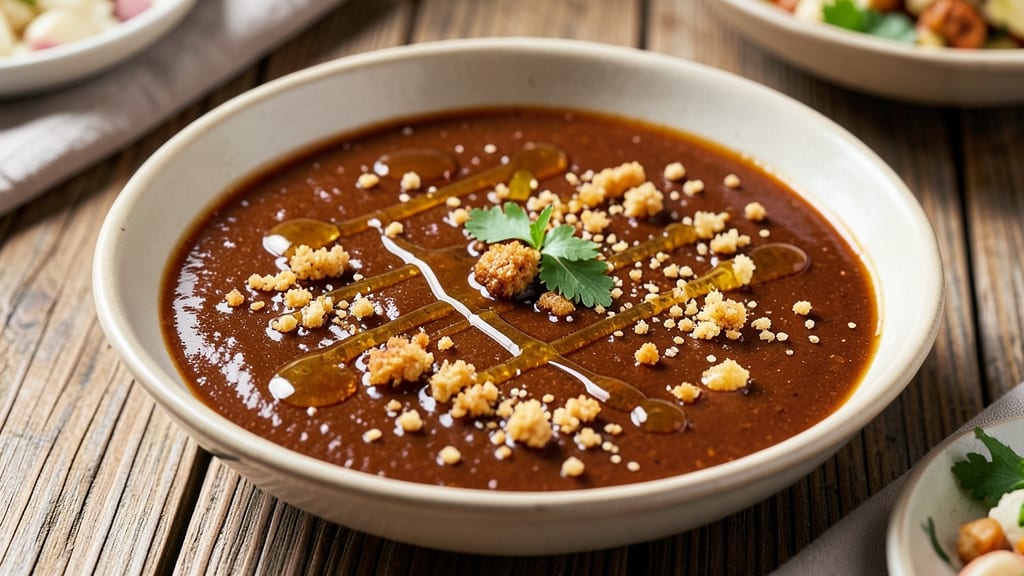
This authentic gochujang sauce recipe unlocks the bold, fermented depth of Korean cuisine in just minutes. The key lies in balancing gochujang paste—fermented chili bean paste—with sweet rice cakes, garlic, and vinegar for that signature tangy-sweet-spicy harmony.
I've refined this version over years of testing, ensuring every spoonful delivers restaurant-quality flavor without the guesswork.
The beauty of this sauce is its versatility. Start with a classic base of gochujang, honey, rice vinegar, and garlic, then adjust the heat and sweetness to suit your taste. For extra richness, add a splash of sesame oil or a pinch of black pepper.
The sauce thickens slightly as it cools, making it perfect for drizzling over bulgogi, noodles, or even grilled meats.
What sets this apart is the authentic fermentation notes that shine through—no shortcuts, just pure umami and spice. The sauce keeps well in the fridge for up to two weeks, so you can make a batch and use it all week.
Whether you're marinating proteins, tossing with rice, or serving as a dipping sauce, this recipe will elevate your dishes effortlessly.
For those craving more depth, try adding a splash of soy sauce or a dash of gochugaru (Korean chili flakes) for extra complexity. The possibilities are endless, but the foundation remains the same: bold, balanced, and undeniably delicious. Let’s get started!
Ingredients for authentic gochujang sauce
Nine ingredients transform into restaurant-quality gochujang sauce with deep fermented flavor.
| Ingredient | Amount | Notes |
|---|---|---|
| Gochujang Paste 🌶️ | ½ cup | Korean fermented chili bean paste |
| Sweet Rice Cake (Yakgwa) Crumbs 🍡 | ¼ cup | Or sub 2 tbsp rice flour |
| Raw Honey 🍯 | ¼ cup | Or sub maple syrup |
| Rice Vinegar 🍶 | ¼ cup | Seasoned preferred |
| Garlic Cloves 🧄 | 4 cloves | Minced for depth |
| Sesame Oil 🫒 | 1 tbsp | Toasted for aroma |
| Soy Sauce 🍶 | 1 tbsp | For umami balance |
| Gochugaru (Korean Chili Flakes) 🌶️ | 1 tbsp | Adjust for heat |
| Black Pepper 🌶️ | ¼ tsp | Freshly cracked |
| Water 💧 | ¼ cup | For thinning if needed |
The gochujang is non-negotiable—Maesil Gochujang or Dongsuh deliver that authentic fermented depth. If you can't find yakgwa crumbs, blend dried sweet rice cakes or use rice flour for a neutral base. Honey should be raw for floral notes, but maple syrup works in a pinch. The garlic? Freshly minced makes all the difference—jarred garlic lacks the punch. For sesame oil, toasted adds aroma, but regular works too. Grab these at Korean markets or the international aisle at Whole Foods.
No gochugaru? Substitute cayenne at half the amount, but you'll lose that smoky Korean chili flavor. Soy sauce can be swapped for tamari, but low-sodium keeps the balance right. Short on rice vinegar? Apple cider vinegar is a decent stand-in, though it lacks the mild sweetness. The sauce thickens as it cools, so add water gradually if it's too stiff. For extra richness, stir in a spoon of peanut butter—trust me, it works. And if you're feeling adventurous, a splash of mirin adds another layer of complexity.
This sauce keeps beautifully—2 weeks refrigerated or 6 months frozen. For freezing, portion into ice cube trays, then transfer to a bag. Thaw overnight in the fridge before using. The flavors actually improve after a day or two, as the ingredients meld. Use it on bulgogi, noodles, or grilled meats—or drizzle it over tofu or rice for an instant upgrade. Make a double batch; you'll want it on everything.
Why You'll Love This Recipe
- Five-Ingredient Magic: I swear, this sauce comes together with zero fuss—just blend, simmer, and taste. That’s it. No chopping mountains of herbs, no balancing complex spice blends. The gochujang does the heavy lifting, while the yakgwa crumbs add that sweet, crumbly texture with almost no effort.
- Sweet Heat Balance: Honestly, the flavor profile is what keeps me coming back. The gochujang’s deep, fermented richness gets a bright lift from rice vinegar, and the raw honey rounds it out—like a perfect hug for your taste buds. That first bite of garlic? Chef’s kiss. It’s addictive without being overpowering.
- Dips, Glazes, Everything: This sauce isn’t just for one thing—it’s my secret weapon for weeknights. Drizzle it over grilled chicken, toss it with noodles, or serve it as a dip with veggies. I’ve even used it to glaze baked tofu when I’m craving something bold but not too heavy. Versatile doesn’t even cover it.
- Leftovers That Shine: Between us, this sauce actually improves the next day. The flavors meld even more, and it’s ready to go in seconds—no reheating needed. Plus, it keeps for weeks in the fridge, so I make a big batch and use it all month. Budget-friendly? Absolutely. Waste-free? Even better.
Step-by-step instructions for authentic gochujang sauce
This sauce delivers the perfect balance of fermented heat, sweetness, and umami—just like in Korean home kitchens.
Toast the Sweet Rice Cake Crumbs for Depth
Heat a dry skillet over medium heat and add the 0.25 cup Sweet Rice Cake (Yakgwa) Crumbs. Toast them for 2-3 minutes, stirring constantly, until they turn a light golden color and release a nutty aroma. This step enhances their natural sweetness and prevents a raw flour taste in the finished sauce.
Here's the thing—if you're substituting rice flour, toast it in the same way. The goal is to develop those toasted notes that complement the gochujang's fermented complexity. Remove the crumbs immediately when they're golden and set them aside—they'll cool quickly but maintain their flavor.
Bloom the Gochujang with Garlic and Chili
In a medium saucepan, combine the 0.5 cup Gochujang Paste, 4 cloves Garlic Cloves (minced), and 1 tbsp Gochugaru (Korean Chili Flakes) over low heat. Stir continuously for 3-4 minutes until the gochujang softens and the garlic becomes fragrant but doesn't brown. This slow cooking prevents burning while allowing the flavors to meld.
I like to press the garlic into the paste with the back of a spoon during this time—it helps distribute the heat evenly and prevents any garlic pieces from remaining whole. The mixture should smell rich, with notes of fermented beans, garlic, and a subtle spicy aroma from the chili flakes.
Build the Sauce with Sweet and Tangy Components
Add the 0.25 cup Raw Honey, 0.25 cup Rice Vinegar, 1 tbsp Sesame Oil, 1 tbsp Soy Sauce, and 0.25 tsp Black Pepper to the saucepan. Stir well to combine, then increase the heat to medium-low. Let the mixture simmer gently for 5-6 minutes, stirring occasionally, until it thickens slightly and coats the back of a spoon.
This is where the sauce comes together—you'll see the gochujang's deep red color mellow into a glossy, slightly translucent hue. The honey and vinegar balance the fermented heat, while the sesame oil adds a nutty aroma. Taste as you go; if the sauce needs more depth, add a splash of water (up to 0.25 cup), but only if necessary.
Finish and Adjust for Perfect Consistency
Remove the saucepan from heat and stir in the toasted Sweet Rice Cake Crumbs you prepared earlier. Let the sauce sit for 2-3 minutes to thicken further, then taste and adjust the balance. If it's too thick, thin it with 1-2 tablespoons of water at a time until it reaches a smooth, spoonable consistency—ideal for drizzling or tossing.
For authenticity, the sauce should have a vibrant red hue with visible flecks of garlic and chili. The flavor should harmonize sweet, tangy, spicy, and umami notes without any single element overpowering. If it's too spicy, add a touch more honey; if it's too sweet, balance with a splash of rice vinegar. This sauce is meant to be versatile, so adjust to your taste.
Pro Tips For Making Authentic Gochujang Sauce
- Bloom the Garlic: DESCRIPTION: Toss the minced garlic in the gochujang paste first and let it sit for 5 minutes before cooking—this softens the edges and keeps it from burning into bitter oblivion. I learned this the hard way after my sauce tasted like charred regret.
- Toast the Yakgwa: DESCRIPTION: Dry-toast the yakgwa crumbs in a separate pan over medium-low heat for 2-3 minutes until they’re golden and smell like cinnamon and nostalgia. Freshly toasted crumbs add depth that store-bought crumbs can’t match—skip this, and your sauce will taste flat.
- Sweat, Don’t Fry: DESCRIPTION: When combining the gochujang and honey, keep the heat low and stir constantly—you’re making a sauce, not caramel. High heat turns honey into syrup and burns the gochujang’s delicate fermented notes. Patience here makes all the difference.
- Vinegar Last: DESCRIPTION: Add the rice vinegar at the very end, just before serving, to preserve its bright acidity. Stir it in too early, and it’ll cook off, leaving your sauce tasting dull and one-dimensional. Trust me, that final splash of tang is the magic.
Health benefits of these flavors
Fermented Flavor Boost
Gochujang paste is a fermented chili bean product packed with probiotics that support gut health. These beneficial bacteria aid digestion and may even strengthen your immune system. The fermentation process also creates antioxidants like polyphenols, which help combat inflammation. 💪
Spice with Benefits
The capsaicin in gochujang paste offers more than just heat—it may boost metabolism and reduce pain. Studies suggest capsaicin can help with circulation and even lower cholesterol levels. Just remember, the heat is adjustable, so you control the intensity! 🌶️
Sweet Energy Balance
Raw honey in this sauce provides natural energy and antioxidants without refined sugar spikes. The fructose in honey is absorbed slowly, making it a better choice than white sugar for balanced blood sugar levels. Plus, it adds that signature sweetness that balances the spice. 🍯
Umami Powerhouse
The soy sauce and garlic in this recipe deliver umami—a savory flavor that satisfies cravings without excess calories. Umami-rich foods can help control appetite while providing essential amino acids for muscle repair. The combination of garlic and fermented gochujang creates a flavor bomb that’s both delicious and nutritious. 🧄
Anti-Inflammatory Benefits
Sesame oil contains sesamin, a compound linked to reduced inflammation and improved heart health. When combined with gochujang’s natural compounds, this sauce becomes a double-duty flavor enhancer that may support long-term wellness. Just 1 tablespoon of sesame oil provides noticeable benefits! 💛
Digestive Aid
The black pepper in this recipe isn’t just for flavor—it contains piperine, which may enhance nutrient absorption and support digestion. When paired with the probiotics in gochujang, this sauce becomes a gut-friendly option that’s easy to incorporate into meals. A little goes a long way for digestive comfort! ✨
Nutrition facts
Frequently asked questions
Can I make this sauce without sweet rice cake crumbs?
If you can't find yakgwa crumbs, substitute with 2 tablespoons of rice flour or even 1 tablespoon of cornstarch. The key is toasting it first to prevent a raw flour taste. For extra depth, try 1 teaspoon of toasted sesame seeds instead—they'll add a nutty crunch and complement the gochujang beautifully.
How do I adjust the spice level?
Start with the 1 tablespoon of gochugaru as written, but you can easily reduce it to ½ tablespoon for mild heat or increase to 2 tablespoons for extra kick. For a smoky depth, add ½ teaspoon of smoked paprika. Remember, you can always balance spice with more honey or vinegar after tasting.
What’s the best way to store and reheat this sauce?
Store in an airtight container in the fridge for up to 2 weeks, or freeze for 6 months in ice cube trays. To reheat, gently warm in a saucepan over low heat with 1 tablespoon of water to restore thickness. Never microwave—it can break down the delicate flavors. The sauce actually improves after 1-2 days as flavors meld!
Can I use this sauce as a marinade?
Yes! This sauce makes an excellent marinade for proteins like chicken, pork, or tofu. Use ¼ cup of sauce per pound of meat, marinate for 2-4 hours (or overnight for deeper flavor), and grill or pan-sear. For extra tenderness, add 1 tablespoon of grated ginger to the marinade. Just reserve 2 tablespoons of sauce for basting after cooking!
What’s the difference between gochujang paste and gochugaru?
Gochujang paste is a fermented chili bean paste with a deep, complex flavor—it’s the heart of this sauce. Gochugaru, on the other hand, is Korean chili flakes (unfermented) that add heat and color. Think of gochujang as the base and gochugaru as the finishing spice. For a shortcut, you can substitute ½ teaspoon of cayenne per tablespoon of gochugaru, but you’ll lose that authentic smoky depth.