
Sauces & Condiments
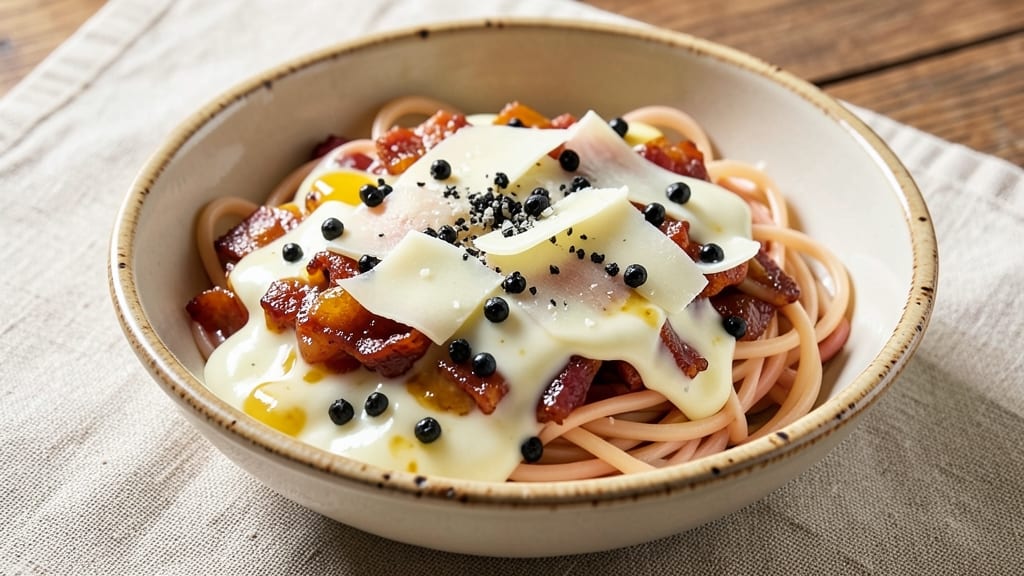
This authentic Italian carbonara sauce recipe delivers the rich, velvety emulsion Romans have perfected for generations—no cream, no shortcuts, just egg yolks, Pecorino Romano, and properly rendered pancetta or guanciale. The secret lies in tempering the eggs with starchy pasta water to create a luxurious, never-curdling sauce that clings beautifully to every strand of spaghetti.
The traditional Roman technique involves cooking the cured meat until crispy, then using its rendered fat to gently emulsify the egg mixture. This creates a sauce that's both decadent and balanced—savory from the pancetta, sharp from the aged cheese, and perfectly peppered.
What sets this version apart is the absence of cream, which was never part of the original recipe from Rome's trattorias.
By following this method, you'll achieve a sauce that's impossibly smooth yet still rich enough to coat each noodle generously. The key moment comes when you toss the hot pasta into the egg mixture, allowing the starchy water to gradually incorporate and create that signature silky texture.
This is carbonara as the Romans intended—simple ingredients elevated through precise technique.
The result is a sauce that transforms ordinary spaghetti into a restaurant-quality dish worthy of Rome's best trattorias. Serve immediately while the sauce is still vibrant and clinging perfectly to the pasta. For best results, use freshly cooked pasta and high-quality ingredients—this sauce deserves nothing less than the finest components.
Ingredients for authentic italian carbonara sauce
Eight essential ingredients transform simple spaghetti into Rome's legendary carbonara sauce.
| Ingredient | Amount | Notes |
|---|---|---|
| Fresh Egg Yolks 🥚 | 4 whole | Large eggs, room temperature |
| Pecorino Romano Cheese 🧀 | 1 ½ cups | Freshly grated, aged minimum 12 months |
| Pancetta or Guanciale 🥓 | 6 oz | Diced into 1/4-inch pieces, rendered fat reserved |
| Freshly Ground Black Pepper 🌶️ | 1 tsp | Coarsely cracked, not powdered |
| Extra-Virgin Olive Oil 🫒 | ¼ cup | For finishing, fruity variety |
| Diamond Crystal Kosher Salt 🧂 | ½ tsp | For seasoning, not iodized |
| Spaghetti 🍝 | 12 oz | Fresh or high-quality dried |
| Pasta Water 💧 | 1 ½ cups | Reserved starchy water from cooking pasta |
The cured meat is non-negotiable—Pancetta or guanciale from Eataly or a trusted Italian deli delivers authentic flavor. Look for thick-cut pancetta with visible marbling, or guanciale with a deep reddish hue. Render the fat slowly over medium heat until crispy, then reserve both the rendered fat and the meat for maximum flavor. Pecorino Romano must be aged at least 12 months for that sharp, mineral-rich bite—pre-grated cheese lacks the intensity. Fresh egg yolks at room temperature emulsify better than cold ones, so take them out 30 minutes before starting. The spaghetti should be al dente when cooked, as it will finish in the sauce.
No pancetta? Thick-cut bacon works, though it lacks the delicate sweetness of cured pork. Substitute guanciale with prosciutto di Parma if available, but render it thoroughly to avoid a salty sauce. For the cheese, Parmigiano-Reggiano can replace half the Pecorino, but the sauce will be less acidic. Fresh pasta is ideal, but high-quality dried brands like De Cecco work perfectly. The reserved pasta water is crucial—it contains starch that acts as the emulsifier. If your pasta water isn't starchy enough, add a splash of cold water to the pot before reserving. Never use cream; the traditional Roman technique relies solely on egg yolks and rendered fat for richness.
Freshly rendered fat and crispy pancetta can be stored in an airtight container in the refrigerator for up to 5 days. Grated Pecorino keeps well in the freezer for 3 months if wrapped tightly in parchment. The egg yolk mixture should be used immediately after preparation to prevent curdling. For best results, cook the pasta and prepare the sauce simultaneously. Leftovers, if any, should be reheated gently over low heat with a splash of pasta water to restore the emulsion. Serve immediately, as carbonara's magic lies in its fresh, velvety texture.
Why You'll Love This Recipe
- Here’s what sold me: a whole meal for under $10 per serving, using ingredients that last. Pancetta keeps for weeks, Pecorino ages beautifully, and eggs? Always on sale. It’s the kind of dish that makes you feel fancy without breaking the bank—or your willpower.
- No Fuss, Big Payoff: I’ll admit, I used to avoid carbonara because I thought it required some fancy technique. But this version? Just crispy pancetta, a few yolks, and a handful of Pecorino—no stirring for hours, no scrambled eggs. The magic happens in the heat of the pan, not the clock.
- Umami Bomb: That first bite of creamy, peppery sauce clinging to al dente pasta? It’s the holy trinity of pancetta (or guanciale, if you’re fancy), sharp Pecorino, and fresh black pepper working together. Honestly, the saltiness and richness hit differently than any other pasta sauce I’ve tried—like a hug in sauce form.
- Weeknight or Weekend: Between us, this is my go-to for lazy Sundays and last-minute dinner guests. Double the batch, toss half in the fridge for a quick lunch—reheat it gently, and it’s just as good. (Yes, even on a Tuesday night when you’re exhausted.)
Step-by-step instructions for authentic Italian carbonara sauce
Mastering this classic Roman dish comes down to technique—not shortcuts. Here's how to create a silky, never-curdled sauce.
Render the Pancetta or Guanciale Until Golden
Place the 6 oz diced pancetta or guanciale in a large skillet over medium heat—no oil needed. Let it render slowly for 8-10 minutes, stirring occasionally, until the fat becomes golden and crispy and the meat releases easily from the pan. This process extracts maximum flavor and creates the sauce's foundation.
Resist the urge to rush—if the heat is too high, the fat will burn before rendering. You'll know it's ready when the skillet contains about ¼ cup rendered fat and the meat has a deep, nutty aroma. Remove from heat and set aside, leaving the fat in the pan.
Prepare the Egg-Yolk and Cheese Emulsion
In a medium bowl, whisk together the 4 whole fresh egg yolks, 1.5 cups freshly grated Pecorino Romano, and 1 tsp freshly ground black pepper until smooth and fully combined. The mixture should be pale yellow with no visible streaks of cheese. This emulsion is the heart of carbonara—its stability depends on proper technique.
I like to use a fork for this step to avoid over-mixing, which could incorporate too much air. Keep the bowl off to the side while you cook the pasta—you'll need to work quickly once the pasta is ready to prevent the eggs from scrambling.
Cook the Spaghetti Al Dente
Bring a large pot of well-salted water to a rolling boil and add the 12 oz spaghetti. Cook until 1 minute shy of the package's al dente time—carbonara relies on the pasta's residual heat to cook the eggs properly. Reserve 1.5 cups pasta water before draining, as its starch content is essential for sauce consistency.
Drain the pasta but do not rinse—surface starch helps the sauce cling. Immediately transfer the hot pasta to the skillet with the rendered pancetta, tossing well to coat in the fat. This step ensures the pasta absorbs the meat's flavor before the sauce is added.
Combine Off Heat for a Perfect Emulsion
Remove the skillet from heat and let it cool slightly for 1 minute—this prevents the eggs from scrambling when added. Add the egg-yolk mixture in a slow, steady stream while tossing the pasta continuously. The residual heat from the pasta will gently cook the eggs into a velvety sauce.
If the sauce thickens too much, add pasta water 1 tablespoon at a time until it reaches a creamy, clinging consistency. The sauce should coat the back of a spoon without being overly thin. Season with an additional pinch of ½ tsp kosher salt if needed, then finish with a drizzle of ¼ cup extra-virgin olive oil for brightness.
Serve Immediately with Fresh Pecorino
Divide the carbonara among warmed plates and top each serving with extra freshly grated Pecorino Romano and a generous crack of black pepper. The sauce should cling to every strand of spaghetti, with a glossy sheen that indicates perfect emulsion.
Serve immediately—carbonara doesn't reheat well. Each bite should deliver a balance of creamy eggs, salty Pecorino, peppery heat, and crispy pancetta. The sauce should coat the pasta without overwhelming it, allowing the pasta's texture to shine through.
Pro Tips For Making Authentic Italian Carbonara Sauce
- Render Pancetta Low: Cook the pancetta or guanciale on low heat—yes, even if it takes 10 minutes. High heat burns the fat before the meat renders, leaving you with bitter, greasy bits instead of crispy, savory edges. I learned this the hard way after making my first batch taste like a charred bacon disaster.
- Grate Pecorino Fresh: Use a microplane or fine grater for the Pecorino Romano—pre-shredded cheese won’t melt the same way and clumps up like glue. Freshly grated also dissolves faster into the egg yolk mix, giving you that silky, cohesive sauce instead of a lumpy mess.
- Off Heat, Not On: Remove the pan from heat before adding the egg yolk mixture—this stops the sauce from scrambling. I used to add it over heat, and half the time, I’d end up with overcooked eggs instead of a creamy emulsion. The residual heat is enough to gently warm everything through.
- Salt the Pasta Water: Boil the pasta in well-salted water (like the sea) and reserve a cup of starchy pasta water—it’s the glue that binds the sauce. Skimping here means your carbonara will be dry and clingy instead of rich and clinging to every strand. Trust me, your pasta will thank you.
Pro cooking tips for perfect results
Temperature Control Secrets
The most critical step is rendering the pancetta or guanciale over medium heat—never high. I use a 12-inch cast-iron skillet from Lodge because it distributes heat evenly and prevents burning.
The fat should render slowly for 8-10 minutes, turning golden and crispy. If you rush this, the fat will burn and create a bitter flavor that ruins the sauce. 🌡️
For the egg mixture, keep it at room temperature—cold eggs scramble instead of emulsifying. I place my eggs in warm water for 5 minutes before whisking.
The bowl should never sit over direct heat or even warm water while you cook the pasta, as residual heat can start cooking the eggs before they're ready.
Emulsion Mastery
The key to a perfect carbonara emulsion is adding the egg mixture off heat to the hot pasta. The residual heat from the pasta gently cooks the eggs into a silky sauce.
I always let the skillet cool for 1 minute after removing it from the heat—this small pause prevents the eggs from scrambling instantly. Work quickly but deliberately once you start combining them.
If the sauce thickens too much, add pasta water 1 tablespoon at a time until it reaches a creamy consistency. The starch in the water acts as a natural emulsifier, preventing separation. I've ruined many batches by adding too much water at once—this breaks the emulsion completely. 💫
Pasta Water Magic
Never skip reserving 1.5 cups of starchy pasta water—this is the secret ingredient that makes carbonara work. The starch in the water helps bind the sauce to the pasta and creates that signature velvety texture.
I always reserve the water before draining the pasta, as the starchy foam rises to the top during cooking. If your pasta water isn't starchy enough, add a splash of cold water to the pot before reserving.
For best results, use freshly cooked pasta that's 1 minute shy of al dente. The residual heat from the pasta is what gently cooks the eggs into a smooth sauce.
If you overcook the pasta, it will absorb too much of the sauce, leaving you with dry noodles and a thin, watery sauce.
Cheese Quality Matters
Pecorino Romano must be freshly grated and aged at least 12 months for authentic flavor. Pre-grated cheese contains anti-caking agents that prevent proper emulsification. I always grate my own cheese using a microplane for the finest texture. The cheese should be sharp and slightly grainy—this adds depth to the sauce that powdered cheese can't match. 🧀
If you're substituting Parmigiano-Reggiano, use it for only half the amount of Pecorino. Parmigiano is milder and sweeter, so the sauce will lack the bright acidity that defines true carbonara.
For extra richness, I sometimes add a small amount of Parmigiano-Reggiano (about ¼ cup) to the finished dish as a garnish.
Timing is Everything
Carbonara must be served immediately after assembly—this sauce doesn't reheat well. The emulsion breaks down when cooled and reheated, leaving you with a dry, grainy texture. I always cook the pasta and prepare the sauce simultaneously to ensure everything is ready at the same time.
The entire process should take about 20 minutes from start to finish. ⏱️
If you need to hold the sauce briefly before serving, keep it in a double boiler over very low heat, stirring constantly. Even then, the texture will never be as perfect as when served immediately.
The magic of carbonara lies in its fresh, velvety texture—once it cools, that window closes quickly.
Nutrition facts
Frequently asked questions
Why does authentic carbonara never use cream?
The original Roman recipe relies solely on egg yolks and rendered pork fat for richness—cream wasn't part of the traditional formula. The eggs create a luxurious emulsion when properly tempered with starchy pasta water, while the fat from crispy pancetta or guanciale adds depth without needing dairy. Many modern versions add cream, but purists argue it masks the true flavors of Pecorino and pepper.
Can I make carbonara sauce ahead of time?
Never prepare the sauce ahead—carbonara must be made fresh and served immediately. The emulsion breaks down when cooled and reheated, resulting in a grainy texture. You can prep components separately: render the pancetta, grate the cheese, and whisk the eggs, but combine everything just before serving to preserve that signature velvety texture.
What's the difference between pancetta and guanciale?
Both are traditional cured pork, but guanciale (made from pork jowl) has a deeper, more complex flavor with a slightly sweet, fatty richness. Pancetta (belly) is milder and more accessible. For authentic carbonara, guanciale is preferred, but high-quality pancetta works perfectly. The key is rendering the fat until crispy—both should yield about ¼ cup golden fat for the sauce.
Why does my carbonara sauce curdle?
Curdling happens when eggs cook too quickly—usually from adding them to hot pasta or using cold eggs. Always work off heat, let the skillet cool slightly for 1 minute first, and use room-temperature eggs. The starch in reserved pasta water helps stabilize the emulsion, so add it gradually if needed. A small amount of curdling can be fixed by whisking vigorously, but prevention is key.
Can I use whole eggs instead of just yolks?
Whole eggs will work, but yolks create a richer, more stable emulsion. The egg whites can make the sauce slightly thinner and may require more pasta water to adjust consistency. If using whole eggs, whisk them thoroughly and add them gradually to the hot pasta. For best results, stick with yolks for that authentic Roman texture.