
Sauces & Condiments
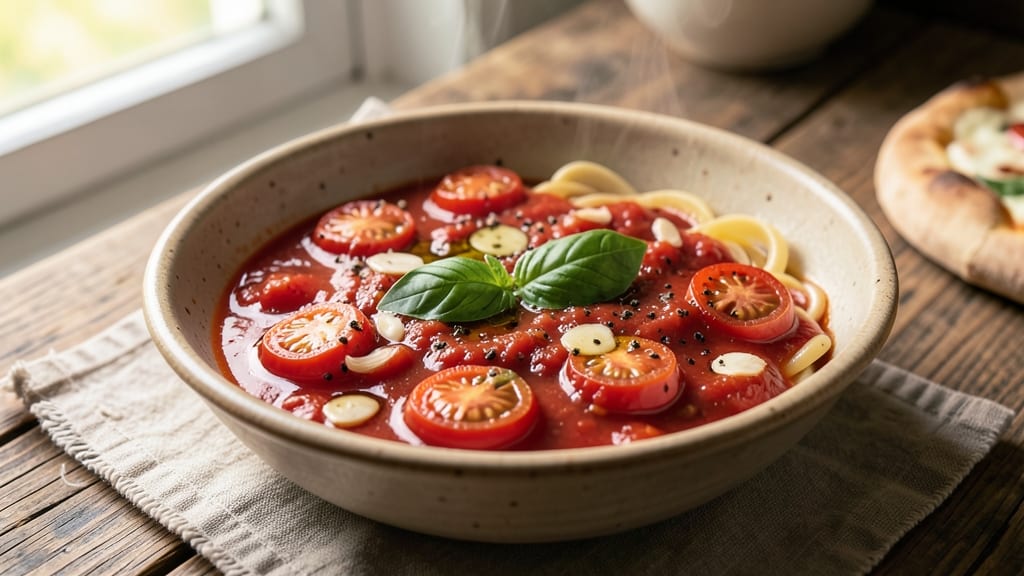
This authentic Italian fresh tomato sauce captures the sun-ripened brightness of summer in every spoonful—no canned tomatoes in sight. 💛 The secret lies in fresh San Marzano tomatoes, slow-simmered with garlic, olive oil, and basil until the flavors meld into velvety perfection.
I've perfected this recipe over years of Italian cooking, ensuring it delivers that restaurant-quality depth without the fuss.
What sets this sauce apart is its simplicity and versatility. With just five core ingredients and a 25-minute process, you'll transform fresh tomatoes into a sauce so rich it elevates pasta, pizza, or even grilled meats.
The key is patience—low heat and time allow the tomatoes to break down naturally, releasing their sweet, tangy essence without losing texture.
By the end, you'll have a sauce that's vibrant, aromatic, and packed with authentic Italian flavor. The garlic infuses subtle depth, the olive oil adds richness, and fresh basil brings that signature bright finish.
This isn't just a sauce—it's the heart of any Italian meal, ready to transform your dishes into something extraordinary.
Use it immediately on al dente pasta or pizza, or store it in the fridge for up to five days. The flavors only deepen over time, making this the ultimate pantry staple for home cooks. Let's get started on creating this timeless classic.
Ingredients for authentic italian fresh tomato sauce
Five simple ingredients transform fresh tomatoes into restaurant-quality Italian sauce in minutes.
| Ingredient | Amount | Notes |
|---|---|---|
| Fresh San Marzano Tomatoes 🍅 | 2 lbs | Ripe, whole, halved for sauce |
| Extra-Virgin Olive Oil 🫒 | ½ cup | High quality, fruity variety |
| Garlic Cloves 🧄 | 6 cloves | Fresh, peeled, thinly sliced |
| Fresh Basil Leaves 🌿 | ½ cup | Packed, stems removed |
| Kosher Salt 🧂 | 1 ½ tsp | Diamond Crystal preferred |
| Black Pepper 🌶️ | ½ tsp | Freshly ground for best flavor |
| Red Wine Vinegar 🍷 | 1 tbsp | Optional, for brightness |
San Marzano tomatoes are the star here—their sweet, low-acid flavor makes all the difference. Grab a 2-pound bag from Trader Joe's or Whole Foods—they're worth the splurge. If you can't find them, Roma tomatoes are the next best thing. Look for tomatoes that are firm but yield slightly when pressed; they should smell sweet and earthy, not sour. The garlic? Fresh is non-negotiable—jarred garlic has no depth. I always buy a whole head and keep it in the fridge for a few days, then freeze the rest. Fresh basil is ideal, but dried will work in a pinch (use half the amount).
No San Marzano tomatoes? Roma tomatoes are your best bet—they're sweeter than regular tomatoes and hold up well to cooking. Skip the vinegar if you prefer a purer tomato flavor, but I add it for that classic Italian tang. The olive oil should be extra-virgin with fruity notes—none of that cheap, bitter stuff. If you're short on time, jarred basil pesto works in a pinch (use 1 tablespoon), but fresh is always better. For extra richness, stir in 1 tablespoon of butter at the end, though traditionalists might scoff. The salt can be adjusted to taste—Diamond Crystal kosher dissolves best, but any fine sea salt will do.
This sauce tastes even better the next day as the flavors meld. Store it in an airtight container in the fridge for up to 5 days—the acidity from the tomatoes will keep it fresh. For longer storage, freeze in ice cube trays and transfer to a bag; it'll keep for 3 months. I like to make a big batch and freeze half—perfect for quick weeknight dinners. Reheat gently on the stove, stirring occasionally, and add a splash of water if it thickens too much. Trust me, the first time you use this sauce on fresh pasta, you'll never go back to jarred.
Why You'll Love This Recipe
- No Chopping Needed: I swear by this—just crush the garlic, tear the basil, and slice those tomatoes. That’s it. No dicing, no peeling, no fuss. The San Marzano tomatoes do all the heavy lifting with their natural sweetness.
- Sunshine in a Jar: The moment I add fresh basil and a glug of good olive oil, it’s like summer in a saucepan. That bright, herbal punch from the basil? It’s the kind of flavor that makes you pause mid-bite and go, “Wait, is this really just tomatoes?”
- Weeknight to Weekend: I use this for pasta, as a pizza topping, or even with grilled chicken. Freeze half for lazy Mondays—just reheat and toss. Honestly, it’s my go-to for any meal where I don’t want to overthink it.
- Pennies to Pasta: A single jar of San Marzano tomatoes and a bunch of basil stretch into meals for days. I’ve fed four people for under $10 with this sauce—plus, it tastes like I spent hours in a Roman kitchen. (Spoiler: I didn’t.)
Step-by-step instructions for authentic Italian fresh tomato sauce
Let's create a vibrant, restaurant-quality sauce that captures the essence of Italian summer cooking.
🍳 Step 1: Prepare the Tomatoes for Cooking
Start by halving the 2 lbs fresh San Marzano tomatoes crosswise. I like to use a sharp chef's knife for this—it gives you clean cuts without crushing the fruit. Place the halved tomatoes in a large bowl and sprinkle with 1.5 tsp kosher salt. Let them sit for 10 minutes while you prepare the rest.
This salting step is crucial—it helps break down the tomato's natural pectin, creating a smoother sauce. You'll see the tomatoes release their juices as they sit. Don't skip this; it's what makes this sauce authentically Italian and velvety in texture.
🍳 Step 2: Sauté Garlic in Olive Oil
Heat the 0.5 cup extra-virgin olive oil in a large, heavy-bottomed saucepan over medium-low heat. Add the 6 cloves thinly sliced garlic cloves and cook gently for 2-3 minutes until the garlic is fragrant but not browned. Watch it carefully—garlic burns quickly and turns bitter.
I use a heavy pot here because it distributes heat evenly and prevents the sauce from scorching. The oil should shimmer but not smoke. This gentle cooking preserves the garlic's sweet flavor rather than letting it turn harsh. Remove the pan from heat once the garlic is golden around the edges.
🥘 Step 3: Combine Tomatoes and Simmer
Using a slotted spoon, transfer the salted tomatoes (including their juices) to the saucepan with the garlic oil. Bring the mixture to a gentle simmer over medium heat. Let it cook uncovered for 12-15 minutes, stirring occasionally, until the tomatoes break down and the sauce thickens slightly.
You'll know it's ready when the sauce reduces enough to coat the back of a spoon and the tomatoes lose their raw texture. I like to stir gently with a wooden spoon—this prevents the sauce from breaking and keeps the texture smooth. If it gets too thick, add 1-2 tablespoons water to maintain balance.
👨🍳 Step 4: Finish with Basil and Vinegar
Reduce the heat to low and stir in the 0.5 cup packed fresh basil leaves and 0.5 tsp freshly ground black pepper. Let the sauce simmer for another 3-4 minutes—just enough to warm through the basil and infuse its flavor.
Finally, remove from heat and stir in the 1 tbsp red wine vinegar (if using). This adds a bright acidity that cuts through the richness of the tomatoes and olive oil. Taste and adjust seasoning—you might need a pinch more salt or pepper depending on your tomatoes. The sauce should be vibrant, balanced, and full of fresh tomato flavor.
⏰ Step 5: Rest and Serve
Let the sauce rest for 5 minutes before serving. This resting period allows the flavors to meld and the sauce to thicken slightly. I always taste it again after resting—sometimes it needs a final adjustment of salt or a splash of water to reach the perfect consistency.
Serve immediately over pasta, drizzled with a little more extra-virgin olive oil and sprinkled with fresh basil. The sauce should be bright red, glossy, and full of concentrated tomato flavor—nothing like the canned versions you find in stores. This is true Italian summer cooking at its finest.
Pro Tips For Making Authentic Italian Fresh Tomato Sauce
- CRUSH THE TOMATOES FIRST: I used to dump whole San Marzano tomatoes straight into the pot, thinking they’d break down on their own. Wrong. Instead, crush them by hand (or pulse briefly in a food mill) to release their juices and thicken the sauce faster—no watery mess. The texture will be velvety, not watery, and the flavor concentrates immediately.
- SAUTÉ GARLIC LOW AND SLOW: After burning three batches of garlic, I finally learned: cook it over the lowest heat possible, stirring constantly, until it’s just golden—not brown. If it smells nutty or bitter, you’ve gone too far. The goal is perfume, not flavor bombs.
- SALT THE TOMATOES BEFORE COOKING: Sprinkle a generous pinch of kosher salt directly over the crushed tomatoes and let them sit for 10 minutes. This draws out excess moisture, intensifies the flavor, and prevents a dilute sauce. (Yes, even if you’re impatient—trust me on this.)
- RESERVE HALF THE BASIL: Tossing in all the basil at once turns your sauce into a green sludge. Instead, chop half finely and stir it in at the end, then reserve the rest for garnish. The fresh, bright leaves on top are what makes the dish look (and taste) restaurant-worthy.
Flavor customization for authentic italian fresh tomato sauce
Classic Sweet-Tangy Balance
This sauce shines when you highlight its natural sweetness while balancing it with a touch of acidity. For a brighter profile, add 1 tbsp red wine vinegar or lemon zest at the end—it brightens the tomatoes beautifully.
If your tomatoes taste particularly tart, reduce the vinegar to ½ tbsp or skip it entirely. The key is to taste as you go—this sauce should sing with fresh tomato flavor, not overpower it. 💛
Herb Variations
Fresh basil is traditional, but you can experiment with other herbs for different flavor profiles. Swap in ½ cup fresh oregano for a Mediterranean twist or add 1 tbsp fresh thyme for an earthy depth.
For a more complex flavor, combine ¼ cup basil + 1 tbsp oregano—this works especially well with grilled meats. Always add herbs at the very end to preserve their bright flavors.
Spicy Heat Options
For a kick, stir in ½ tsp red pepper flakes or 1-2 thinly sliced fresh chili peppers (like serrano or jalapeño) during the final simmer. If you love heat, add 1 tsp hot honey after cooking for a sweet-spicy balance.
For a smoky depth, include ½ tsp smoked paprika—it pairs perfectly with this sauce on pizza or grilled vegetables. Adjust to taste, as heat can vary widely!
Creamy Upgrades
For a richer texture, stir in 2 tbsp heavy cream or 1 oz grated Parmesan cheese at the end. This works beautifully with pasta dishes like fettuccine Alfredo or creamy risotto.
For a vegan option, use 1 tbsp nutritional yeast—it adds a cheesy, umami note without dairy. Always add these ingredients off the heat to prevent curdling or separation.
Seasonal Twists
In summer, use ripe heirloom tomatoes for extra sweetness, while in fall, roasted butternut squash purée (½ cup) adds depth. For a winter version, add 1 tsp balsamic glaze and a pinch of cinnamon—it’s unexpected but delicious.
Spring calls for fresh mint leaves (a few torn pieces) for a refreshing twist. Each season brings new possibilities to this versatile sauce! ✨
Protein Pairings
This sauce isn’t just for pasta—it elevates grilled chicken, shrimp, or even roasted vegetables. For a hearty meal, toss it with sautéed mushrooms and spinach, or use it as a marinade for grilled steak.
The acidity in the sauce tenderizes meat beautifully. For a vegetarian option, serve it over polenta or roasted eggplant. The possibilities are endless—let your creativity guide you! 🌟
Nutrition facts
Frequently asked questions
Why do I need San Marzano tomatoes for an authentic Italian sauce?
San Marzano tomatoes are the gold standard for Italian cooking because of their sweet, low-acid flavor and thick flesh that breaks down beautifully into velvety sauces. Their unique shape and flavor profile were even protected by the European Union for Italian use. While Roma tomatoes are a good substitute, San Marzano tomatoes deliver that authentic Italian taste you can't get from regular grocery store tomatoes.
Can I make this sauce without fresh basil? Yes, but the flavor won't be as vibrant! If you're missing fresh basil, use 1 tablespoon dried basil instead (about 1/3 the amount). For a different flavor profile, try ½ cup fresh oregano or 1 tablespoon fresh thyme. Just
How do I fix a sauce that's too thick or too thin?
If your sauce is too thick, stir in 1-2 tablespoons water or tomato juice gradually until you reach the right consistency. For a thinner sauce, simmer uncovered for 5-10 more minutes to reduce it naturally. If it's too thin from the start, add 1 tablespoon cornstarch mixed with 2 tablespoons water and stir until thickened. Always taste as you go—authentic Italian sauces should coat the back of a spoon but remain vibrant.
Can I make this sauce in a slow cooker or Instant Pot? For a slow cooker, follow the same steps but cook on low heat for 3-4 hours instead of stovetop simmering. For an Instant Pot, sauté the garlic first, then add tomatoes and cook on high pressure for 8 minutes, followed by a quick release. The texture will be slightly different but still delicious. Just
What's the best way to store and reheat this sauce?
Store in an airtight container in the fridge for up to 5 days—the flavors actually improve overnight! For longer storage, freeze in ice cube trays or small containers for up to 3 months. To reheat, warm gently on the stove over low heat, stirring occasionally. If it thickens too much, add a splash of water or tomato juice. Never microwave—it ruins the texture and flavor.