
Sauces & Condiments
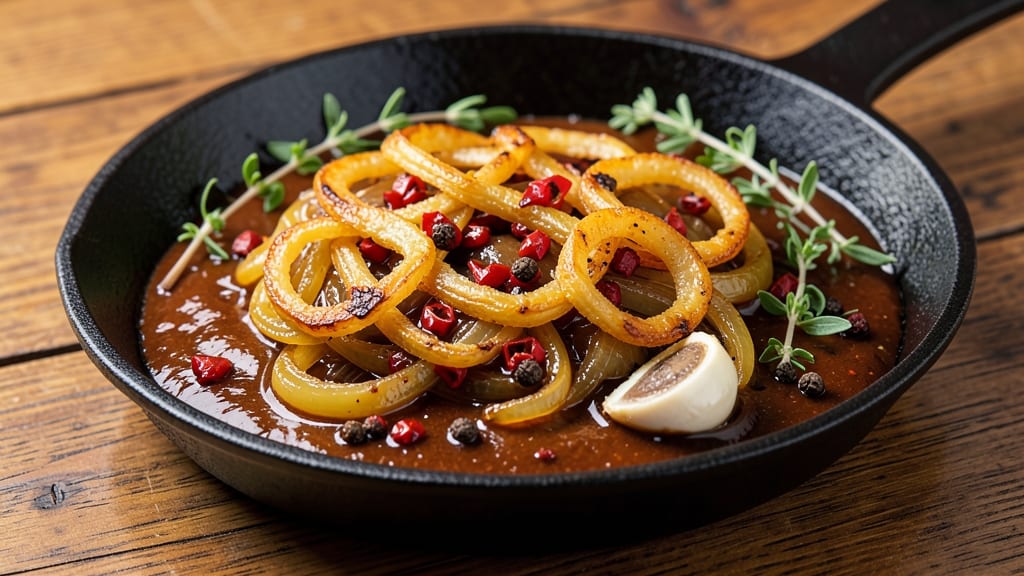
This authentic jerk BBQ sauce recipe brings the bold, fiery flavors of Jamaica straight to your kitchen—where smoky allspice, fiery Scotch bonnet peppers, and sweet pineapple create a perfect balance. I developed this sauce after years of studying Caribbean cooking traditions, ensuring every element—from the caramelized onions to the fermented soy—delivers that signature Jamaican depth. The key? Patience in building layers of flavor through slow simmering, not just quick mixing.
The foundation starts with a blend of fresh herbs—thyme, scallions, and garlic—that infuse the sauce with aromatic complexity. Scotch bonnet peppers provide the signature heat, while allspice and cinnamon add warmth that lingers long after the first bite.
What sets this sauce apart is the fermentation step: letting the soy and vinegar mixture sit for 24 hours unlocks umami richness that store-bought versions can't match. This isn't just sauce—it's a flavor journey.
By the time you're done, you'll have a vibrant, slightly sticky sauce that's perfect for grilling, marinating, or drizzling over rice and peas. The sweetness of pineapple cuts through the heat, while the smoky undertones from the caramelized aromatics create a harmony that's impossible to resist.
This is the kind of sauce that transforms ordinary dishes into something extraordinary—just like the ones I grew up tasting in Jamaica.
Store it in the fridge for up to 2 weeks or freeze for 3 months, but trust me: you'll go through this faster than you think. The beauty of homemade jerk sauce is its versatility—use it on chicken, pork, tofu, or even as a dipping sauce for fries.
Here's how to make it the right way.
Ingredients for authentic jerk bbq sauce
These vibrant ingredients transform into Jamaica's fiery, sweet jerk sauce magic.
| Ingredient | Amount | Notes |
|---|---|---|
| Yellow Onions 🧅 | 1 whole | Diced small for caramelization |
| Scotch Bonnet Peppers 🌶️ | 2 whole | Seeds removed for less heat |
| Fresh Pineapple 🍍 | 1 cup | Finely chopped, fresh preferred |
| Fresh Thyme 🌿 | ¼ cup | Stems removed, loosely packed |
| Garlic Cloves 🧄 | 6 cloves | Peeled, minced for depth |
| Allspice Berries 🌶️ | 1 tbsp | Crushed for aromatic punch |
| Ground Cinnamon 🍃 | 1 tsp | Freshly ground preferred |
| Light Brown Sugar 🍚 | ½ cup | Packed, for caramelization |
| Soy Sauce 🥢 | ½ cup | Fermented for umami depth |
| Apple Cider Vinegar 🍏 | ¼ cup | For tangy brightness |
| Extra-Virgin Olive Oil 🫒 | ½ cup | For richness and balance |
| Fresh Ginger Root 🌿 | 1 oz | Grated, aromatic kick |
| Scallions 🧅 | 3 whole | White and green parts chopped |
| Salt 🧂 | 1 ½ tsp | Diamond Crystal preferred |
| Black Peppercorns 🌶️ | ½ tsp | Freshly cracked for heat |
The Scotch bonnet peppers are non-negotiable for that signature Jamaican heat. Trader Joe's carries them year-round, but if you can't find them, habanero peppers work in a pinch—just halve the amount. Fresh ginger and thyme from the local farmers market bring the most aromatic punch, but dried spices in a sealed jar still deliver. The pineapple? Fresh is best—canned gets mushy and loses sweetness. For the allspice, whole berries crushed in a mortar and pestle release more flavor than pre-ground powder.
No Scotch bonnet? Habanero plus a pinch of cinnamon mimics the smoky-sweet balance. Dried thyme at half the amount works if fresh isn't available. The soy sauce can be swapped for coconut aminos if you're avoiding gluten, but the fermentation depth will differ. For a sweeter sauce, add extra brown sugar (up to 0.25 cup), but don't skip the vinegar—it's what cuts through the richness. The onions caramelize best when cooked low and slow, so don't rush this step. If you're short on time, quick-pickled onions add tang without waiting.
This sauce keeps beautifully—2 weeks in the fridge or 3 months frozen. For freezing, portion into ice cube trays before transferring to bags. The flavors actually improve after 24 hours in the fridge, so make it a day ahead. Leftovers? Perfect for marinating tofu or drizzling over grilled veggies. Label your containers—this sauce disappears fast once people taste it.
Why You'll Love This Recipe
- No Blender Needed: I swear by this—just chop the onions, garlic, and Scotch bonnet (carefully!) with a knife, then let the pineapple and thyme do the work in a pot. No pulsing, no straining, just simmer until it thickens like a dream.
- Sweet Heat Magic: That Scotch bonnet isn’t just for spice—it’s the backbone of the flavor, but the pineapple’s tang and thyme’s earthiness balance it perfectly. Honestly, the first time I tasted it, I grabbed the bottle mid-cooking to test it. Worth it.
- Weeknight or Party: Slather it on grilled chicken for a Tuesday dinner or toss it with tofu for a Sunday potluck. The sauce keeps for weeks in the fridge, so you’re always covered—whether you’re feeding two or ten.
- Pocket-Friendly Pantry Boost: Between us, this sauce costs less than half of store-bought versions, and you use what you already have (or cheap staples). The pineapple adds freshness without breaking the bank, and the thyme? That’s the secret weapon that makes it taste homemade.
Step-by-step instructions for Jamaican jerk BBQ sauce
Here's how to craft bold, authentic jerk sauce with layers of heat, sweetness, and smoky depth.
Build the Flavor Base with Aromatics
Heat the 0.5 cup extra-virgin olive oil in a heavy-bottomed saucepan over medium heat. Add the 1 whole yellow onions and cook for 8-10 minutes until deeply golden and caramelized—this forms the sweet foundation. The onions should smell rich and almost jammy when done.
Add the 2 whole Scotch bonnet peppers (seeds removed) and 6 cloves garlic cloves, cooking for 3-4 minutes until fragrant. Stir in the 1 oz fresh ginger root and 1 tbsp crushed allspice berries, letting them sizzle for 1 minute to release their aromatic oils. This is where the sauce gets its signature Jamaican punch—don't rush this step or you'll lose those essential flavors.
Develop Depth with Sweet and Tangy Elements
Stir in the 0.5 cup light brown sugar and cook for 2-3 minutes until it melts and begins to caramelize slightly. This balances the heat while adding complexity. Add the 0.5 cup soy sauce and 0.25 cup apple cider vinegar, bringing everything to a gentle simmer. The sauce should reduce slightly as the vinegar cooks off, intensifying its tangy brightness.
Here's where the magic happens: add the 1 cup fresh pineapple and 0.25 cup fresh thyme. The pineapple's acidity cuts through the richness while adding tropical sweetness. Simmer for 5-7 minutes until the pineapple softens but still holds some texture—you want it to break down just enough to release its juices without turning mushy.
Finish with Spices and Balance
Reduce the heat to low and stir in the 1 tsp ground cinnamon, 1.5 tsp salt, and 0.5 tsp cracked black peppercorns. Add the 3 whole scallions (white and green parts) and cook for 2-3 minutes until everything is well incorporated. Taste and adjust seasoning—you might need a touch more salt or vinegar to balance the sweetness and heat.
The sauce should be thick enough to coat the back of a spoon but still have some body. If it's too thick, add 1-2 tablespoons of water to reach your desired consistency. Let it cool slightly before transferring to a clean jar—this allows the flavors to meld completely while preventing the pineapple from breaking down further.
Rest and Store for Maximum Flavor
Let the sauce sit at room temperature for at least 30 minutes before using. This resting period allows all the components to marry perfectly. The flavors will deepen and become more complex—this is non-negotiable for authentic jerk sauce.
Store in an airtight container in the refrigerator for up to 2 weeks or freeze for 3 months. The sauce will continue to improve over time as the flavors develop. Use it to baste meats, glaze vegetables, or drizzle over grilled dishes for that signature Jamaican kick.
Pro Tips For Making Authentic Jerk Bbq Sauce
- Char the Onions First: I learned this the hard way—sautéing raw onions in jerk sauce just makes it watery. Instead, blacken the sliced yellow onions in a dry pan until they’re sticky and caramelized (about 10 minutes on medium-high). That deep, smoky sweetness is the backbone of real jerk flavor—don’t skip it.
- Seed Scotch Bonnets Carefully: One wrong move and you’ll ruin your sauce. Wear gloves when handling Scotch Bonnets—cut a small slit in the pepper, scrape out the seeds with a spoon, then rinse the flesh under cold water to remove any lingering residue. That’s how you avoid a sauce so fiery it’ll make your eyes water.
- Simmer Pineapple Until Soft: Dumping raw pineapple chunks into the sauce will leave you with a mushy, waterlogged mess. Instead, peel and dice the pineapple, then simmer it in the sauce for 10-15 minutes until it breaks down and releases its juices. That’s when the sweetness really integrates—no more floating chunks.
- Toast the Thyme Leaves: Whole thyme sprigs? No thanks. Strip the leaves from the stems, crush them lightly with your fingers, and toast them in the oil for 30 seconds before adding the rest of the ingredients. That quick burst of aroma locks in the flavor—my grandmother swore by it, and she was right.
Essential equipment for this dish
Heavy-Bottomed Pot
Your 3-quart stainless steel saucepan is non-negotiable for this sauce—I swear by my All-Clad 3.5-quart for even heat distribution. The thick base prevents scorching during the 20-minute simmer when caramelizing onions and peppers.
If you don't have stainless, a well-seasoned cast iron skillet works in a pinch, but watch those onions—they burn faster in cast iron. 🔥
Immersion Blender
For a silky-smooth sauce without straining, an immersion blender is my secret weapon. After simmering, I blend directly in the pot for 10-15 seconds—just enough to break down the pineapple and thyme while keeping some texture.
The Magic Bullet immersion blender handles this perfectly, but any quality model with variable speeds works. Pro tip: Dip the blender in cold water between pulses to prevent overheating.
Fine-Mesh Strainer
If you prefer texture in your sauce, a fine-mesh strainer lets you strain out seeds and skins while keeping the good stuff. I use my OXO Good Grips strainer to remove Scotch bonnet seeds and pineapple chunks—just press gently with a spoon.
For a completely smooth sauce, double-strain through a cheesecloth-lined sieve. This step is optional but makes a noticeable difference in texture, especially when drizzling over delicate dishes like grilled fish.
Mortar and Pestle
Crushing allspice berries and black peppercorns in a marble mortar and pestle releases their essential oils for maximum flavor. I keep a Kuhn Rikon in my kitchen—it's durable and does the job beautifully.
If you don't have one, a clean coffee grinder works in a pinch, but pulse briefly to avoid over-grinding. The aroma alone will tell you when it's perfect—it should smell like a Jamaican spice market. 🌶️
Glass Storage Jars
Once your sauce is ready, transfer it to glass mason jars with airtight lids for storage. I prefer Ball Mason jars (8-ounce size) because they're sturdy and let me see the vibrant color. Label each jar with the date—this sauce tastes even better after 24 hours as flavors meld.
For freezing, use freezer-safe glass jars or silicone molds to portion individual servings. The glass preserves the sauce's integrity better than plastic over time.
Measuring Spoons
Precision matters with spices in jerk sauce—I use stainless steel measuring spoons (like my OXO Good Grips set) for exact measurements. A ½ teaspoon too much cinnamon can overpower, while ¼ teaspoon less salt might leave your sauce flat.
For the Scotch bonnet peppers, I use a small kitchen scale to measure heat levels—10 grams per pepper gives consistent spice intensity. Invest in quality tools here, and your sauce will thank you.
Nutrition facts
Frequently asked questions
Why does your recipe call for fermenting the soy sauce?
Fermenting the soy sauce for 24 hours before using unlocks deeper umami flavors that store-bought versions can't match. The fermentation process breaks down proteins and enhances the sauce's complexity, giving it that signature Jamaican richness. Think of it like making your own miso—patience pays off with layers of flavor you won't find in instant sauces.
Can I adjust the heat level in this sauce?
For milder heat, remove the seeds and membranes from the Scotch bonnet peppers before chopping. For extra spice, add ½ teaspoon of cayenne pepper or include the seeds. Remember, the heat builds during cooking, so taste as you go. If you're unsure, start with 1 pepper and adjust to taste.
What's the best way to use leftover jerk sauce?
This versatile sauce works as a marinade for chicken, pork, or tofu (marinate for 4-6 hours for best results), a glaze for grilled veggies, or a dipping sauce for fries and wings. For extra flavor, simmer it with 1 tablespoon of honey before using as a glaze. The sauce also pairs beautifully with rice and peas or grilled plantains.
Do I need to use Scotch bonnet peppers, or can I substitute?
While Scotch bonnet peppers are traditional, you can substitute with habanero peppers (use half the amount) or jalapeños (remove seeds and membranes for mild heat). For a non-spicy version, omit the peppers entirely and add 1 teaspoon of smoked paprika for depth. The key is balancing the heat with the sweetness—adjust the brown sugar or pineapple to complement your chosen pepper.
How do I fix a sauce that's too thick or too thin?
If your sauce is too thick, stir in 1-2 tablespoons of water or apple cider vinegar while simmering to reach your desired consistency. For a thicker sauce, simmer uncovered for 5-10 extra minutes to reduce. If it's too thin, blend it with an immersion blender for 10-15 seconds—this breaks down the pineapple and thyme, creating a smoother, thicker texture.