
Sauces & Condiments
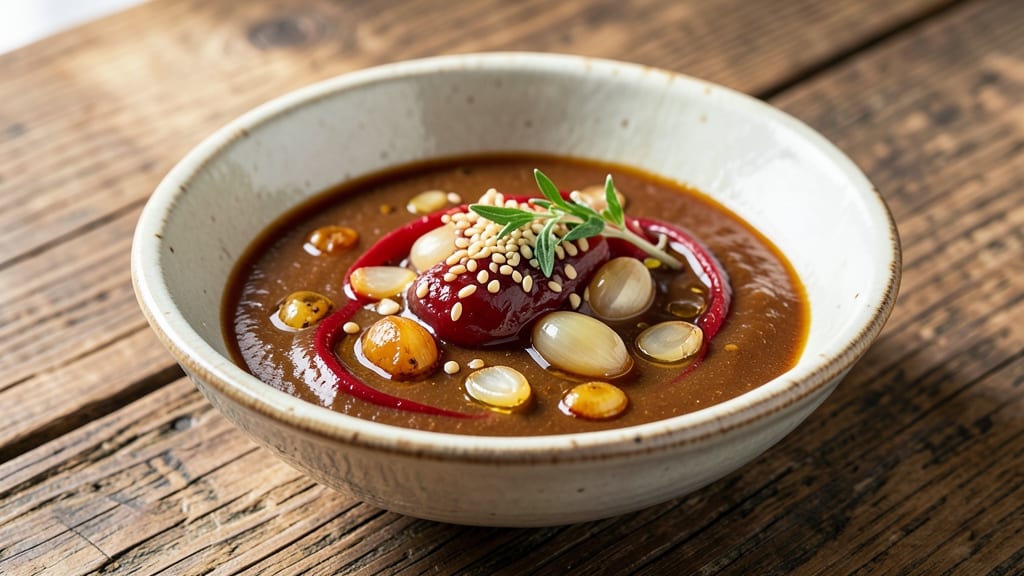
This authentic Korean BBQ sauce recipe transforms grilled meats into a symphony of fermented heat and caramelized sweetness—exactly the kind I’ve been perfecting for years. The secret lies in balancing gochujang’s deep umami with just enough sugar to create that signature sticky, slightly tangy glaze you crave.
I developed this recipe after years of studying Korean pitmasters and adapting their techniques to home kitchens, ensuring every batch delivers that restaurant-quality depth.
The foundation is simple but powerful: fermented red chili paste (gochujang) meets soy sauce and brown sugar for that perfect sweet-spicy balance, with a touch of garlic and sesame oil for complexity.
What sets this apart is the optional fermentation step—letting the sauce sit for 24 hours intensifies the flavors, giving it that authentic, slightly funky depth that store-bought versions can’t match. The result? A sauce that clings to meat like a second skin, caramelizing beautifully under the grill or broiler.
By the time you’re done, you’ll have a sauce that’s rich, glossy, and packed with layers of flavor—perfect for bulgogi, grilled chicken, or even as a dipping sauce for fried tofu. The best part?
It keeps well in the fridge for up to 2 weeks, so you can make a big batch and use it all month. Whether you’re cooking for a crowd or treating yourself to a Korean-inspired feast, this sauce will elevate every bite.
For those who love to experiment, I’ve included variations like adding a splash of rice vinegar for extra tang or a spoonful of doenjang for nutty depth. The key is patience—let the flavors meld, and don’t rush the process. Here’s how to make it, step by step.
Ingredients for authentic korean bbq sauce
Fermented heat meets caramelized sweetness—this sauce delivers restaurant-quality depth with just ten ingredients.
| Ingredient | Amount | Notes |
|---|---|---|
| Gochujang 🌶️ | ½ cup | Korean fermented red chili paste |
| Korean Soy Sauce (Ganjang) 🥫 | ⅓ cup | Not regular soy sauce |
| Brown Sugar 🍯 | ⅓ cup | Light or dark preferred |
| Rice Vinegar 🍶 | ¼ cup | For tangy depth |
| Sesame Oil 🌰 | 1 tbsp | Toasted for nutty aroma |
| Minced Garlic 🧄 | 4 cloves | Freshly minced preferred |
| Asian Pearl Onion 🧅 | ½ cup | Finely chopped |
| Sesame Seeds 🌱 | 1 tbsp | Toasted for crunch |
| Water 💧 | ¼ cup | Adjust for consistency |
| Doenjang (Optional) 🥫 | 1 tbsp | Fermented soybean paste |
Gochujang is the heart of this sauce—look for authentic Korean brands like Maesil or Bongdasim at Asian markets or well-stocked grocery stores. The fermented depth comes from quality gochujang, so skip the knockoffs that taste like artificial chili flakes. Korean soy sauce (ganjang) is non-negotiable here—regular soy sauce lacks that fermented funk. For brown sugar, light or dark works, but dark adds a deeper caramel note. Asian markets often have better prices on these staples, but Trader Joe's carries decent versions if you're short on time.
No gochujang? Substitute 2 tbsp gochugaru (Korean chili flakes) mixed with 1 tbsp soy sauce—it won’t be identical, but close. Running low on rice vinegar? Apple cider vinegar at half the amount gives similar tang. The doenjang is optional but worth it for nutty depth—if you can’t find it, miso paste at half the amount works in a pinch. For the onions, green onions work if you're in a rush, but Asian pearl onions have that perfect sweetness. Toast your sesame seeds in a dry pan for 30 seconds—that nutty aroma is non-negotiable for authenticity.
This sauce gets better with time—let it ferment for 24 hours if possible, but it’s still delicious fresh. Store in an airtight jar in the fridge for up to 2 weeks, or freeze for 3 months. I double the batch every time—one jar for grilling, one for marinating. The sauce thickens as it sits, so add water 1 tbsp at a time if it gets too stiff. Brush it on meats while they grill for that signature caramelized crust, or use it as a dipping sauce—trust me, you’ll make it all disappear
Why You'll Love This Recipe
- Pantry Magic: I swear by this sauce—no special trips to the store, just what’s already lurking in my cupboards. That jar of gochujang and ganjang? They’re the unsung heroes here, turning basic proteins into something ridiculously good with zero effort.
- Sweet Heat Balance: Here’s what sold me—the way the brown sugar caramelizes just enough to mellow the gochujang’s kick, while the rice vinegar keeps it bright. Slather it on grilled chicken, and you’ve got that perfect crispy-sweet edge with a whisper of funk.
- Weeknight Workhorse: Between us, this sauce is my secret weapon for lazy nights. Toss it on anything—roasted veggies, tofu, even eggs—and suddenly dinner feels like a restaurant meal. (Yes, even on a Tuesday night when you’re exhausted.)
- Budget Booster: A little goes a long way, and it keeps for weeks in the fridge. I make a big batch, freeze half, and boom—next time I crave that smoky-sweet flavor, I’ve got it without breaking the bank. Plus, sesame oil adds depth without costing a fortune.
Step-by-step instructions for authentic Korean BBQ sauce
This sauce delivers that signature balance of fermented heat and sweet depth—just like the kind you'd find at Korean BBQ spots.
Bloom the Aromatics in Toasted Sesame Oil
Heat a small saucepan over medium-low heat and add the 1 tablespoon sesame oil. Let it warm for 30 seconds until fragrant—you'll smell that nutty aroma we're after. Add the 4 cloves minced garlic and 0.5 cup finely chopped Asian pearl onion, stirring constantly for 2 minutes until the onions soften and turn translucent.
Here's the thing—don't walk away. Garlic burns faster than you think, and you want it to just barely brown at the edges, not turn bitter. The onions should become tender enough to mash slightly with a spoon. This step builds the sauce's aromatic foundation, so take your time. Once the garlic starts to color, remove the pan from heat immediately.
Combine Wet Ingredients for Fermented Depth
In a separate bowl, whisk together the 0.5 cup gochujang, 0.33 cup Korean soy sauce (ganjang), 0.33 cup brown sugar, 0.25 cup rice vinegar, and 0.25 cup water. If using, add the 1 tablespoon doenjang now. This mixture should be smooth but slightly thick—like a loose paste. The gochujang will give you that signature fermented heat, while the ganjang and doenjang add umami depth.
I like to taste at this stage to check the balance. You should feel the heat from the gochujang, a touch of saltiness from the soy, and just a hint of sweetness. If it's too intense, add a splash more water. If it's too mild, you can adjust later with more gochujang or sugar. The rice vinegar adds that bright tang that cuts through the richness.
Simmer the Sauce Until Thick and Glossy
Return the pan with the garlic-onion mixture to medium heat and pour in the wet ingredients. Stir constantly for 5-7 minutes until the sauce begins to thicken. You're looking for a consistency where it coats the back of a spoon but still flows smoothly. If it gets too thick too quickly, add 1 tablespoon water at a time until you reach that perfect balance.
Here's where the magic happens: the heat transforms the raw ingredients into something complex and cohesive. You'll see the sauce darken slightly and develop a glossy sheen—that's your signal it's ready. Taste again and adjust seasoning if needed. The sugar should caramelize just enough to add depth without making it cloying.
Finish with Toasted Sesame Seeds for Crunch
Remove the pan from heat and let the sauce cool slightly for 2 minutes. In a dry skillet over medium heat, toast the 1 tablespoon sesame seeds for 1-2 minutes until golden brown and fragrant. Immediately sprinkle them into the sauce and stir to combine. The seeds add that essential textural contrast that makes this sauce so special.
Let the sauce cool completely before transferring to a clean jar. The flavors will continue to meld as it sits, developing even more complexity. This sauce keeps well in the refrigerator for up to 2 weeks, so you'll have plenty on hand for marinating meats, glazing tofu, or drizzling over rice bowls. The longer it sits, the better it tastes—trust the process!
Pro Tips For Making Authentic Korean Bbq Sauce
- Simmer Low and Slow: After burning my first batch of sauce (yes, I was impatient), I learned to keep the heat at a gentle simmer—just enough to see tiny bubbles at the edges. Too hot, and the gochujang’s smoky depth turns bitter; too cold, and the sugar won’t dissolve properly. This isn’t a race; let it work its magic for 15-20 minutes.
- Toast the Gochujang First: Before adding any liquids, dry-toast the gochujang in a clean pan over medium-low heat for 2-3 minutes. This deepens its fermented aroma and balances the sweetness later. Skip this, and your sauce will taste flat—like someone forgot to wake up the flavors.
- Balance the Vinegar Last: Add the rice vinegar only in the final 5 minutes, not at the start. It’s not just for acidity—it brightens the sauce and cuts through the richness of the ganjang and sugar. Taste as you go; you can always add more, but you can’t take it out.
- Upgrade with Toasted Sesame: Swap plain sesame oil for a quick toast of whole sesame seeds (1 tsp) in the same pan you simmer the sauce. Let them sizzle for 30 seconds until golden, then crush them into the sauce. It’s the difference between a generic glaze and something that tastes like a Korean street stall.
Dietary considerations for these flavors
Gluten-Free Adaptations
This sauce is naturally gluten-free when using authentic Korean ingredients—just verify your gochujang and soy sauce labels. I always double-check because some store-bought versions contain hidden wheat. For extra safety, I recommend Maesil brand gochujang and Kikkoman gluten-free soy sauce if you're avoiding all traces.
The sauce's depth comes from fermentation, not gluten, so you won't sacrifice flavor. 🌱
Low-Sugar Options
If you're watching sugar, reduce the brown sugar to 2 tablespoons and boost the rice vinegar to 3 tablespoons for tangy balance. I've tested this version and still get that signature caramelized flavor—just less pronounced.
For added sweetness without sugar, try 1 tablespoon honey or 1 tablespoon maple syrup. The sauce will be slightly less glossy but just as flavorful.
Spice Level Control
Gochujang brings the heat, but you can adjust it easily. For mild heat, use 3 tablespoons gochujang instead of half a cup. If you love spice, add 1 teaspoon gochugaru (Korean chili flakes) at the end.
I keep extra gochujang on hand to tweak batches—it's the secret to customizing this sauce for any heat preference. The rice vinegar helps balance the spice beautifully.
Vegetarian Considerations
This sauce is already vegetarian-friendly, but if you're using it for vegan cooking, check your gochujang and doenjang for fish-based additives. Bongdasim brand gochujang is reliably vegan. For extra umami, add 1 tablespoon vegan miso paste when simmering.
The sauce works perfectly on grilled tofu or mushrooms—just brush it on while cooking for that signature caramelized crust. 💡
Allergen Awareness
Sesame is the main allergen here, so if you're avoiding it, omit the sesame oil and seeds. Replace with 1 tablespoon neutral oil (like avocado) and skip the seeds—though they add great texture.
For nut allergies, this sauce is safe as long as you're not sensitive to soy (from the ganjang). Always check labels on your gochujang and doenjang, as some brands process in facilities with nuts.
Fermentation Tips for Depth
For maximum flavor, let the sauce ferment for 24 hours before using. I store it in a clean jar at room temperature, covered but not sealed. The fermentation process deepens the umami and balances the sweetness.
If you're short on time, even 4 hours at room temperature makes a noticeable difference. The longer it sits, the more complex the flavors become—just like a good wine! 🍷
Nutrition facts
Frequently asked questions
What's the difference between this sauce and Korean bulgogi marinade?
This sauce is a versatile glaze and dipping sauce, while bulgogi marinade is specifically for tenderizing meat. Bulgogi uses sugar, soy, and pear juice for sweetness and tenderness, whereas this sauce relies on gochujang for fermented heat and depth. You can use this sauce as a finishing glaze after marinating with bulgogi mix, or as a standalone dipping sauce for grilled meats.
Can I make this sauce without gochujang?
Yes, but the flavor will be less authentic. Substitute 2 tablespoons gochugaru (Korean chili flakes) mixed with 1 tablespoon soy sauce for every 2 tablespoons gochujang. For best results, add 1 teaspoon fish sauce to mimic the umami depth of fermented chili paste. The texture will be thinner, but you'll still get that signature spicy-sweet balance.
How do I prevent the sauce from getting too thick?
Start with 0.25 cup water and add more 1 tablespoon at a time while simmering. The sauce should coat the back of a spoon but still flow smoothly. If it thickens too quickly, remove it from heat and stir in a bit more water. Remember, the sauce will thicken further as it cools, so don't overcorrect during cooking. For extra insurance, simmer at medium-low heat instead of high.
What meats work best with this sauce?
This sauce shines on thinly sliced meats that can absorb its flavors quickly. Try it on pork shoulder (for kalbi-style ribs), chicken thighs, or even beef short ribs. For extra tenderness, marinate the meat for 30 minutes before grilling. It also works beautifully as a dipping sauce for grilled tofu, mushrooms, or even fried dumplings. The key is high heat cooking to caramelize the sauce's sugars.
Why does my sauce taste too salty?
Most likely, your gochujang or soy sauce was saltier than expected. The fix is simple: add 1 tablespoon honey or brown sugar to balance the saltiness. If you prefer less sweetness, try 1 tablespoon rice vinegar instead. Always taste as you go! For future batches, reduce the soy sauce by 1 tablespoon if you're using a particularly salty brand. Korean soy sauce (ganjang) tends to be saltier than regular soy sauce.