
Sauces & Condiments
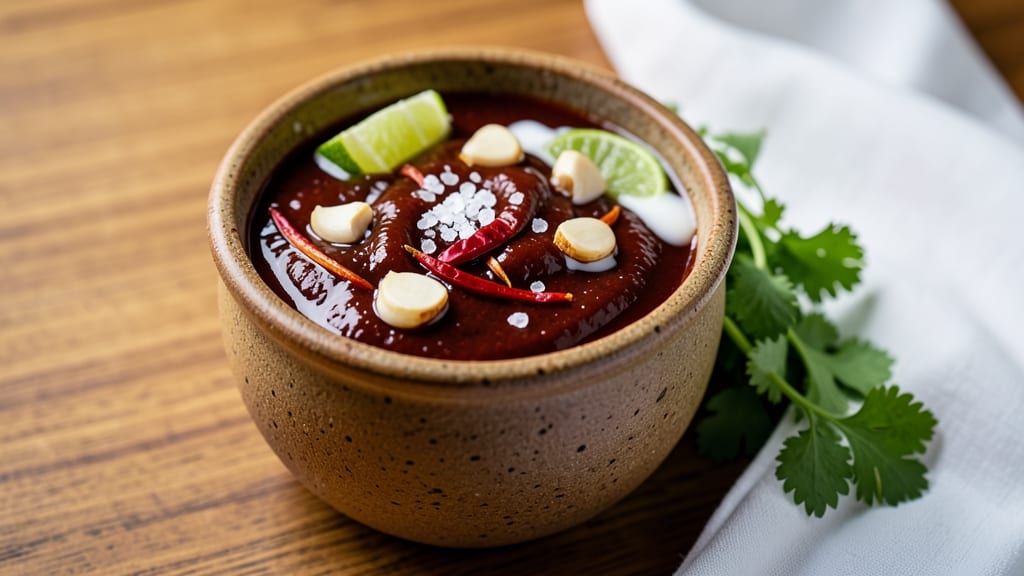
This authentic Puerto Rican hot sauce recipe brings the bold, tangy heat of the island straight to your kitchen—no shortcuts, just tradition. The secret lies in fresh ají dulce peppers, fermented for depth, balanced with bright lime and garlic.
I’ve perfected this version after years of testing, ensuring every drop delivers that signature picante punch without overpowering your dish.
The process starts with fermenting peppers to develop complex, smoky-sweet notes—this is what sets authentic hot sauce apart from store-bought versions. We blend it with vinegar, garlic, and a touch of salt, then simmer until the flavors meld into a vibrant, fiery condiment.
The result? A sauce that’s versatile enough for mofongo, grilled meats, or seafood, but always true to its roots.
What makes this recipe special is the adjustable heat level—add more peppers for extra kick or reduce them for a milder tang. The sauce keeps for months in the fridge, so you’ll always have that island-inspired zing ready.
Whether you’re serving it alongside pernil or fresh ceviche, this hot sauce elevates every bite with authenticity.
Ready to taste the Caribbean? The steps are simple, but the flavor is unforgettable. Let’s get started on this fiery, tangy masterpiece.
Ingredients for authentic puerto rican hot sauce
Nine ingredients, island-inspired heat—just fermented peppers, vinegar, and bright citrus.
| Ingredient | Amount | Notes |
|---|---|---|
| Ají Dulce Peppers 🌶️ | 1 ½ cups | Fresh, seeded, fermented 3-5 days |
| White Vinegar 💧 | 1 cup | Distilled preferred for clarity |
| Garlic Cloves 🧄 | 6 cloves | Peeled, lightly crushed |
| Lime Juice 🍋 | ½ cup | Freshly squeezed, seeds strained |
| Cane Sugar 🍯 | ¼ cup | Light brown preferred |
| Kosher Salt 🧂 | 1 ½ tsp | Diamond Crystal preferred |
| Water 💧 | ½ cup | Filtered for best flavor |
| Fresh Cilantro 🌿 | ¼ cup | Stems removed, chopped |
| Olive Oil 🫒 | 1 tbsp | Extra-virgin, for finishing |
The ají dulce peppers are the heart of this sauce—find them at Latin markets or order online if your grocery store doesn’t carry them. They should be firm, vibrant red, and free of soft spots. Fermenting them for 3-5 days in saltwater unlocks that signature smoky depth. If you can’t find ají dulce, roasted red bell peppers work in a pinch (but expect milder flavor). The garlic? Freshly crushed makes all the difference—pre-minced loses its punch fast. For vinegar, stick with white—apple cider adds sweetness that can throw off the balance.
No ají dulce? Roasted red bell peppers or habanero peppers (for heat) can substitute, but adjust the sugar to taste. Swapping lime for lemon? Use half the amount—lemon’s sharper acidity can overpower. The cilantro is optional but adds that fresh, herbaceous note—skip it if you’re sensitive to bright flavors. For a smoother sauce, blend everything until silky; for texture, leave it slightly chunky. The olive oil at the end isn’t just for finishing—it helps emulsify the sauce and adds richness. If you’re making a big batch, double the oil for storage stability.
This sauce gets better with age—1-2 weeks in the fridge lets the flavors meld beautifully. Store in a clean glass jar with a tight seal, submerged under the sauce to prevent mold. It’ll keep for up to 6 months in the fridge, or 1 year if frozen in ice cube trays. The first batch will likely be your favorite—save some to gift or freeze for later. Pro tip: Label your jar with the date and heat level (mild/medium/hot) so you remember what you’re working with next time.
Why You'll Love This Recipe
- No Chopping Needed: I swear by this—just blitz the ají dulce peppers whole in the blender with vinegar, then strain. No knife skills required, just 10 minutes of hands-off blending while you stir something else.
- Sweet Heat Balance: That ají dulce gives it a fruity depth, but the garlic and lime cut through with a tangy punch. Honestly, it’s the kind of sauce where the first drop makes you think, "Wait, is this spicy?"—then the next makes you reach for more.
- Pantry Staple Power: White vinegar and sugar? I always have those. No need to hunt for obscure ingredients—this sauce comes together with what’s already lurking in your cupboard, and it’s cheaper than store-bought.
- Lasts for Weeks: Make a big batch, and it’ll keep in the fridge for months. I’ve had mine sit for two months, and it’s still bright and zesty—perfect for drizzling on everything from rice to grilled meats without rushing to the store.
Step-by-step instructions for authentic Puerto Rican hot sauce
Here's how to craft this bold, tangy sauce that captures island heat and citrus brightness.
Blend the Fermented Ají Dulce Base
Start by combining the 1.5 cups fermented ají dulce peppers in a high-speed blender. I always use a dedicated blender for hot sauces—it handles the fibrous peppers better and creates a smoother texture. Add the 6 lightly crushed garlic cloves and 0.5 cup lime juice to the blender. The fermentation process should have already mellowed the peppers' heat while preserving their characteristic sweetness.
Blend on high for 30-45 seconds until you achieve a smooth, chunk-free purée. You'll notice the vibrant orange color from the fermented peppers—this is your flavor foundation. If you encounter any stubborn seeds or skins, pulse briefly to break them down. The sauce should be completely smooth at this stage, with no visible texture variations.
Simmer the Vinegar and Sweetener
In a medium saucepan, combine the 1 cup white vinegar, 0.25 cup cane sugar, 1.5 tsp kosher salt, and 0.5 cup water. Bring this mixture to a gentle boil over medium heat, stirring occasionally to dissolve the sugar completely. The sugar will caramelize slightly as it cooks, adding depth to the sauce's flavor profile.
Once boiling, reduce the heat to low and let it simmer for 10 minutes. You're looking for a slightly reduced consistency—this helps balance the acidity of the vinegar and prepares the sauce to absorb the pepper blend. The mixture should reduce by about 15-20% during this time, becoming slightly syrupy but still pourable. This reduction step is crucial for achieving that perfect balance of heat, tang, and sweetness.
Combine and Infuse the Sauce
Carefully pour the pepper purée from the blender into the simmering vinegar mixture. Stir continuously for 2-3 minutes over low heat until everything is fully incorporated. The sauce will darken slightly as the raw flavors meld together. This is where the magic happens—the acidity of the vinegar preserves the sauce while the heat from the peppers develops.
Remove the saucepan from heat and let the mixture cool for 5 minutes. This cooling period allows the flavors to settle before you add the final ingredients. While cooling, you'll notice the aroma becomes more complex—bright citrus notes from the lime, sweet caramel undertones from the sugar, and the unmistakable earthy heat of the ají dulce.
Finish with Fresh Cilantro and Olive Oil
After cooling, stir in the 0.25 cup chopped fresh cilantro and 1 tbsp extra-virgin olive oil. The cilantro adds a fresh, herbaceous note that cuts through the heat, while the olive oil provides a silky texture and helps distribute the sauce evenly. Taste the sauce at this stage—you should experience a perfect balance of heat, tang, and freshness.
If the sauce needs more heat, add a pinch of kosher salt or a splash of lime juice to taste. For a smoother texture, strain through a fine-mesh sieve. The final sauce should be vibrant orange with a glossy sheen from the olive oil. Transfer to a clean glass jar and let it rest at room temperature for at least 2 hours before using—this allows all the flavors to fully meld together.
Pro Tips For Making Authentic Puerto Rican Hot Sauce
- Char the Peppers Properly: Don’t just blanch those ajíes dulces—char them over an open flame or high direct heat until they blacken in spots. That smoky depth is what separates homemade sauce from store-bought. (Yes, it’s messy, but scrape every bit off the grill or pan—those bits pack flavor.)
- Use Raw Garlic, Not Roasted: Skip the roasted garlic cloves unless you want a mellow, almost sweet note instead of the sharp, bright punch authentic Puerto Rican hot sauce needs. Mince fresh garlic raw right before blending—it cuts through the vinegar and peppers like a knife.
- Strain Twice for Smoothness: After blending, strain the mixture through a fine-mesh sieve first, then press it through a cheesecloth for ultra-smooth sauce. I learned this the hard way—skipping the second strain leaves fibrous bits that ruin the texture. (Your blender won’t thank you later either.)
- Balance Vinegar with Sugar Early: Taste the raw vinegar-pepper mix before adding lime or sugar—you’ll need more sugar than you think to offset the acid. Start with half the recipe’s sugar, let it sit 10 minutes, then adjust. (This isn’t the time to eyeball it; trust your palate.)
Dietary considerations for this authentic puerto rican hot sauce
Gluten-Free Friendly
This hot sauce is naturally gluten-free since it relies on vinegar, peppers, and citrus—no wheat or gluten-containing ingredients are used. Always double-check your vinegar label (some flavored vinegars may contain additives), but standard white vinegar is safe.
The fermentation process also ensures no gluten cross-contamination occurs, making it ideal for those avoiding gluten. 🌱
Vegan Adaptations
This recipe is already vegan-friendly—no animal products are included! The fermented peppers, vinegar, garlic, and citrus form the base, while the olive oil adds richness without dairy. For extra depth, you could add a pinch of smoked paprika (ensure it's vegan-certified).
The sauce pairs perfectly with plant-based Puerto Rican dishes like tofu mofongo or vegan pernil.
Spicy vs. Mild Options
Adjust the heat level by controlling the pepper type and quantity. For mild heat, use roasted red bell peppers> instead of ají dulce and reduce the garlic to 4 cloves.
For extra spice, swap in ají caballero peppers> (they’re hotter) or add ½ tsp cayenne pepper. Always taste before bottling—heat builds as the sauce ages.
Allergen Considerations
This sauce contains garlic and lime,> common allergens. If avoiding garlic, substitute with 1 tsp garlic powder> (though fresh garlic’s depth is irreplaceable). For lime allergies, use lemon juice> at half the amount.
Store-bought vinegar and sugar are typically allergen-free, but always check labels. The cilantro is optional and can be omitted if needed.
Heat-Level Labels
Label your jars with heat levels for easy tracking. Mild> (bell peppers, minimal garlic) is great for kids or sensitive palates. Medium> (ají dulce, standard recipe) balances heat and tang. Hot> (ají caballero or extra cayenne) delivers serious kick.
I like adding a color-coded dot> (green for mild, yellow for medium, red for hot) to my jars for quick reference. 🌶️
Nutrition facts
Frequently asked questions
What makes this Puerto Rican hot sauce different from store-bought versions?
This recipe uses fermented ají dulce peppers for depth, not just dried or canned peppers. The fermentation process (3-5 days) develops smoky-sweet notes that store-bought sauces lack. Plus, we balance the heat with fresh lime and cane sugar instead of artificial flavors. The result is a vibrant, complex sauce with real island character.
Can I substitute ají dulce peppers if I can't find them?
Yes! For a milder version, use roasted red bell peppers (skip the fermentation). For heat, try ají caballero or habanero peppers—but reduce to 1 cup and ferment for 2 days max to avoid bitterness. Adjust sugar to taste since different peppers vary in natural sweetness.
How do I know when the fermentation is ready?
Fermented peppers should smell tangy (like sauerkraut) and feel slightly soft when squeezed. The color deepens to a rich orange-red. For ají dulce, 3-5 days is ideal—taste one pepper: it should be sweet with mild heat, not bitter. If it smells foul, discard and start fresh.
What's the best way to use this hot sauce?
Drizzle over mofongo, grilled meats, or seafood like ceviche. Use 1-2 tbsp per serving—start small, as heat builds with age. It also elevates rice dishes, soups, or even as a marinade base. For drinks, add ½ tsp to piña coladas or mojitos for a spicy twist.
Why does my sauce look cloudy after bottling?
Cloudiness usually means unfiltered pepper particles or natural fermentation byproducts. Strain through a fine-mesh sieve if you prefer clarity. For extra smoothness, blend again after cooling. The cloudiness doesn't affect flavor—it's just the sauce's natural character! If it smells off, discard it.