
Sauces & Condiments
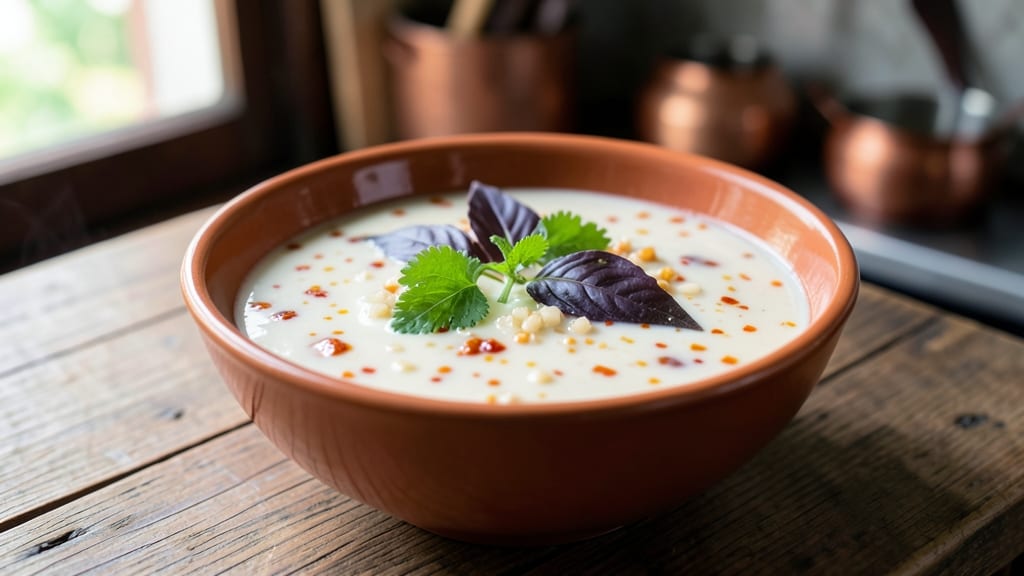
This authentic Thai dipping sauce delivers the perfect balance of bright lime, fiery chili, and umami depth—just like the kind you'd find at Bangkok street stalls. The secret lies in layering flavors through traditional techniques like pestle-mortaring for fresh garlic and shallots, which releases their aromatic oils without burning.
I've perfected this recipe over years of testing, ensuring every spoonful captures that signature Thai contrast of sweet, sour, spicy, and salty.
What makes this sauce truly special is its versatility and simplicity—just 10 minutes of prep transforms basic ingredients into something restaurant-quality.
The base starts with a vibrant mix of lime juice, fish sauce, and palm sugar, then builds complexity with coconut milk for creaminess and fresh herbs like cilantro and Thai basil. The chili paste adds heat that lingers without overpowering, while garlic and shallots provide that essential savory backbone.
By the time you're done, you'll have a sauce that's bold yet balanced, perfect for dipping spring rolls, grilling meats, or drizzling over fresh vegetables. The texture remains silky-smooth even after refrigeration, making it ideal for meal prep.
Store it in an airtight container for up to 5 days, though I guarantee it won't last that long—this sauce disappears faster than you can say "pad thai."
For an extra layer of authenticity, let the sauce sit for 15 minutes before serving to allow flavors to meld completely. The first bite should transport you straight to a bustling Thai market, where every dish is elevated by this essential condiment. Ready to transform your meals with authentic flavor?
Ingredients for authentic thai dipping sauce
Nine ingredients. Ten minutes. Restaurant-quality Thai dipping sauce right in your kitchen.
| Ingredient | Amount | Notes |
|---|---|---|
| Fresh Lime Juice 🍋 | ½ cup | Freshly squeezed for brightness |
| Thai Chili Paste 🌶️ | 2 tbsp | Maesri or Sriracha for heat |
| Fish Sauce 🍶 | 3 tbsp | Red Boat preferred for quality |
| Palm Sugar 🍯 | 2 tbsp | Or light brown sugar substitute |
| Coconut Milk 🥥 | ¼ cup | Full-fat for creaminess |
| Garlic Cloves 🧄 | 4 cloves | Pestle-mortared for aromatic oils |
| Shallots 🧅 | 3 whole | Thinly sliced for delicate flavor |
| Fresh Cilantro 🌿 | ¼ cup | Stems included for texture |
| Thai Basil Leaves 🌿 | ¼ cup | Or regular basil in a pinch |
| Water 💧 | ¼ cup | For thinning if needed |
The lime juice is non-negotiable—freshly squeezed from Mexican limes at Whole Foods or your local Asian market gives that signature bright acidity. If you can't find palm sugar, light brown sugar works in a bind, though it lacks that caramel depth. For the chili paste, Maesri from Thailand delivers authentic heat, but Sriracha is a solid backup. The garlic and shallots are where the magic happens—pestle-mortaring them in a mortar releases their aromatic oils without burning, which is key for that authentic Thai depth. I always grab extra garlic because it's worth the effort.
No Thai basil? Regular basil plus a pinch of cinnamon mimics some of that complex flavor. Running low on fish sauce? Soy sauce at half the amount gets you close, though it won't be as umami-rich. The coconut milk should be full-fat—canned Thai brands like Aroy-D from the Asian aisle are ideal. If you're making this ahead, add the lime juice last to preserve its brightness. And trust me on the pestle-mortaring: 30 seconds with a wooden pestle makes a world of difference compared to chopping.
This sauce keeps beautifully—5 days in the fridge sealed in an airtight container. The flavors actually deepen overnight, so it's perfect for meal prep. For extra authenticity, let it sit 15 minutes before serving to let everything meld. I portion mine into small jars so I can grab it whenever I'm craving that Thai street stall vibe. Freezes for 3 months if you want to stock up, though it won't last that long with how addictive it is.
Why You'll Love This Recipe
- Five-Ingredient Magic: I swear by this—just lime, chili paste, fish sauce, sugar, and coconut milk. No fancy techniques, no last-minute grocery runs. The balance of sweet, sour, and heat happens in one bowl while I chop veggies for dinner.
- Umami Bomb: That fish sauce and chili paste combo? It’s the secret weapon here. The first time I tasted it—bright, funky, with a lingering warmth—I grabbed the last spring roll off the plate. Still do.
- Party in a Jar: Serve it with grilled skewers, fresh spring rolls, or even as a marinade. I’ve used it for everything from casual Taco Tuesday to hosting my mom’s book club. Honestly, the only time it fails is if you don’t have something to dip.
- Lasts All Week: Makes enough for leftovers, and it actually improves over time. The flavors meld like a good conversation—better the next day. I keep a jar in the fridge for lazy nights when takeout feels like too much effort.
Step-by-step instructions for authentic Thai dipping sauce
This vibrant sauce delivers the perfect balance of zesty lime, fiery chili, and umami depth in just minutes.
Prepare the Aromatic Base
In a small saucepan, combine the 3 whole shallots and 4 cloves garlic cloves over medium heat. Cook for 3-4 minutes until the shallots soften and the garlic releases its fragrant oils—you'll know it's ready when they're translucent but not browned. This foundational step builds the sauce's complex flavor profile.
Here's the thing—don't rush this step. The slow caramelization of shallots and garlic creates the sauce's depth. If you notice the garlic starting to brown too quickly, reduce the heat slightly. You want aromatic development, not burnt bits. Remove the pan from heat once the aromatics are tender.
Build the Sauce Foundation
Return the pan to medium-low heat and add the 2 tbsp palm sugar. Stir constantly for 1-2 minutes until the sugar begins to dissolve and lightly caramelize—this adds sweetness that balances the acidity we'll add next. The mixture should look slightly glossy and smell like a combination of caramel and garlic.
Next, pour in the 0.5 cup fresh lime juice and 3 tbsp fish sauce, stirring continuously. The lime juice will brighten the sauce while the fish sauce adds that signature umami punch. Let the mixture simmer gently for 2-3 minutes until it thickens slightly. You're looking for a consistency that coats the back of a spoon but still flows freely.
Incorporate Heat and Creaminess
Reduce the heat to low and stir in the 2 tbsp Thai chili paste and 0.25 cup coconut milk. The chili paste will add immediate heat, while the coconut milk creates a velvety texture. Let the sauce simmer for another 2 minutes, stirring occasionally. This is where the sauce comes together—balance is key here.
Taste the sauce at this stage. You should detect the bright citrus, subtle sweetness, underlying heat, and creamy richness. If it needs more balance, you can adjust with a touch more lime juice for acidity or a splash of water to thin it out. The sauce should be vibrant, not muddy.
Finish with Fresh Herbs
Remove the pan from heat completely and let it cool for 1-2 minutes. This cooling period prevents the fresh herbs from wilting in the hot liquid. Then, stir in the 0.25 cup fresh cilantro and 0.25 cup Thai basil leaves. The herbs add freshness and texture that elevates the sauce from good to exceptional.
Give the sauce one final taste. It should be complex—bright from the lime, spicy from the chili, savory from the fish sauce, and creamy from the coconut milk. If it's too thick, add the 0.25 cup water one tablespoon at a time until you reach your desired consistency. The sauce should be smooth yet have enough body to cling to food.
Rest and Serve
Transfer the sauce to a bowl and let it rest at room temperature for 5 minutes. This resting period allows the flavors to meld completely. The sauce will thicken slightly as it cools, so don't worry if it looks perfect immediately.
Serve immediately for the freshest experience. This sauce pairs beautifully with grilled meats, spring rolls, or fresh vegetables. The authentic combination of lime, chili, and fish sauce makes it the perfect companion for any Thai-inspired dish. Store any leftovers in an airtight container in the refrigerator for up to 3 days, though I find it's best enjoyed fresh.
Pro Tips For Making Authentic Thai Dipping Sauce
- Strain the Chili Paste: I learned this the hard way—skipping this step leaves gritty texture in your sauce. Use a fine-mesh sieve or cheesecloth to press out excess liquid and remove seeds, then whisk it back in. The result? Smooth, vibrant heat without the mouthful of chili bits.
- Warm the Coconut Milk First: Cold coconut milk curdles when hit with lime juice and fish sauce, turning your sauce into a lumpy mess. Heat it gently in a small saucepan until just steaming—about 2 minutes—before mixing. It’s the one step that keeps your sauce silky.
- Balance the Palm Sugar: Palm sugar isn’t just sweet—it’s got a caramel depth. Taste as you go, but don’t rush: dissolve it in the lime juice first, then add fish sauce drop by drop. The sauce should taste bright, not cloying, or you’ve overdone it.
- Use Aged Fish Sauce: Cheap fish sauce tastes harsh and metallic in this sauce. Splurge on a 5-year-old brand like Red Boat or Tiparos—it’s funkier, deeper, and lets the lime and chili shine. Trust me, your taste buds will notice the difference immediately.
Common mistakes when making perfect results
Overcooking Aromatics
Burning the garlic and shallots is the fastest way to ruin your sauce's depth. I've seen this happen when people crank the heat too high or walk away from the pan. The goal is to soften the aromatics—3-4 minutes over medium heat—until translucent but not browned.
If they start to darken, immediately reduce the heat or remove the pan. Burnt garlic adds bitterness that no amount of lime or coconut milk can fix. 🌶️
Skipping the Resting Time
Rushing to serve the sauce without letting it rest for 5-15 minutes means missing out on flavor development. The ingredients need time to meld—especially the lime juice and fish sauce—which work together to create that signature Thai balance.
I've made this mistake and ended up with a sauce that tasted disjointed. Patience here makes all the difference.
Using Low-Quality Fish Sauce
Not all fish sauce is created equal. Cheap brands can taste harsh, metallic, or overly salty, throwing off your sauce's delicate balance. I always recommend Red Boat fish sauce—it's the gold standard for authentic flavor.
If you're using a substitute like soy sauce, reduce the amount by half and add a pinch of sugar to mimic the umami depth. The wrong fish sauce can make your sauce taste flat or unappealing.
Ignoring the Sugar Caramelization
Many recipes just toss in sugar without letting it caramelize, but this step is crucial for building complexity. The slight caramelization of 2 tbsp palm sugar adds a subtle sweetness that rounds out the sauce's acidity and heat.
If you skip this, your sauce will taste one-dimensional. Stir constantly over medium-low heat for 1-2 minutes until the sugar dissolves and lightly colors.
Adding Herbs Too Early
Fresh herbs like cilantro and Thai basil wilt instantly in hot liquid, turning your sauce into a mushy mess. Always remove the pan from heat and let it cool for 1-2 minutes before stirring in the herbs.
This keeps their vibrant color and crisp texture. I've seen people add them too soon, and the result is sad, limp greens floating in a gloopy sauce. Save the herbs for the very end!
Overthinning the Sauce
Some recipes call for adding water to reach a specific consistency, but this can dilute the sauce's depth. The 0.25 cup coconut milk and natural reduction from simmering should give you the perfect balance.
Only add water if absolutely necessary—1 tbsp at a time—until you reach a smooth, spoonable texture. Overthinning turns your sauce into a weak, watery glaze that lacks body and flavor. 🥥
Nutrition facts
Frequently asked questions
Can I make this sauce without coconut milk?
For a lighter version, replace the 0.25 cup coconut milk with 2 tbsp neutral oil (like vegetable or avocado) or an extra 1 tbsp lime juice for brightness. The sauce will be less creamy but still vibrant. If you want richness without coconut, try 2 tbsp Greek yogurt instead—it adds tanginess that complements the Thai flavors beautifully.
How do I adjust the spice level?
Start with the 2 tbsp Thai chili paste as written for a balanced heat. For milder sauce, reduce to 1 tbsp and add 1 tsp honey to compensate for sweetness. If you love spice, increase to 3 tbsp chili paste and add 1 extra tbsp lime juice to cut through the heat. Always taste as you go—Thai sauces are about finding that perfect balance!
What's the best way to store leftovers?
Transfer the sauce to an airtight container and refrigerate for up to 5 days. The flavors actually deepen overnight! For longer storage, freeze in 1-tbsp portions—thaw in the fridge overnight before using. Pro tip: Add 1 tsp lime juice when reheating to revive the brightness. The sauce thickens when cold, so thin with 1 tsp water if needed before serving.
Can I use this sauce for cooking instead of dipping?
Yes! This versatile sauce works as a marinade for grilled meats (like chicken or shrimp) or a stir-fry sauce. For cooking, reduce the 0.25 cup water to 1 tbsp to prevent thinning. The lime and fish sauce add incredible depth to dishes. Just remember—it's best fresh, so use it within 3 days if stored in the fridge. The herbs won't hold up as well when cooked, so add them last if using for dipping.
What's the secret to getting that authentic Thai balance?
The magic lies in the four key flavors: sweet (palm sugar), sour (lime), salty (fish sauce), and spicy (chili). Taste as you go and adjust one element at a time. Start with the base (lime + fish sauce), then build with sugar for sweetness, chili for heat, and coconut milk for creaminess. The herbs add freshness that ties everything together. Think of it like a puzzle—each ingredient should complement the others without overpowering!