
Sauces & Condiments
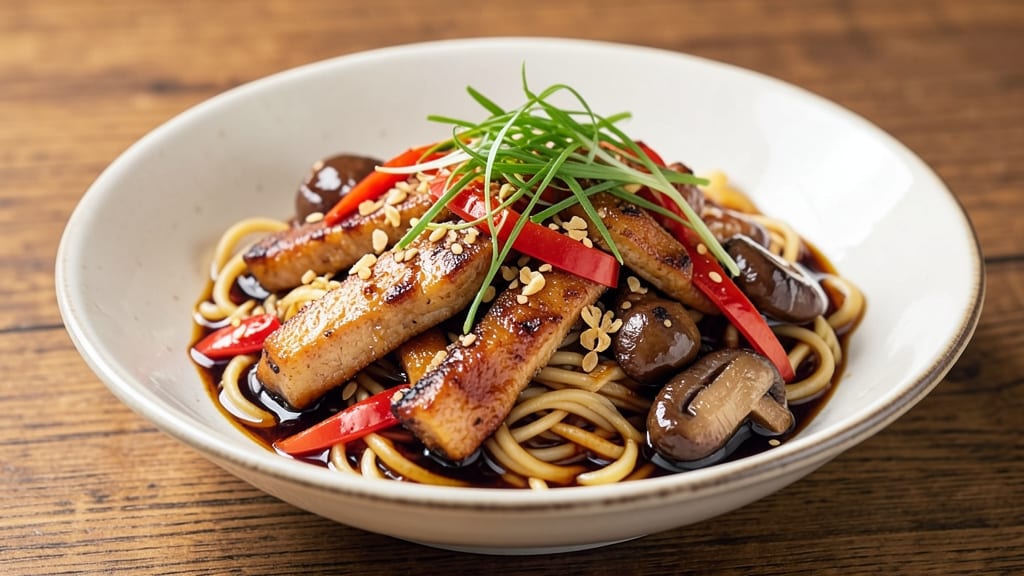
This Asian noodle stir-fry sauce recipe transforms any stir-fry into a restaurant-quality masterpiece with its perfect balance of umami, sweetness, and subtle heat. The secret lies in combining traditional ingredients like soy sauce, oyster sauce, and sesame oil with fresh garlic and ginger for depth.
This sauce is designed to be made in bulk—just 10 minutes of prep yields enough to coat multiple batches of noodles or proteins.
The magic happens when you simmer the sauce until it thickens slightly, creating a glossy finish that clings beautifully to noodles and vegetables. I developed this recipe after years of testing stir-fry sauces, and it never fails to elevate simple ingredients into something extraordinary.
The sauce keeps well in the fridge for up to a week, making it perfect for meal prep.
What you’ll end up with is a sauce that’s rich, aromatic, and packed with layers of flavor—sweet from a touch of brown sugar, salty from soy and oyster sauce, and umami from fermented ingredients.
The chili paste adds just the right amount of heat, while sesame oil brings a nutty finish. This sauce works equally well with rice noodles, udon, or even as a marinade for proteins.
Whether you’re cooking a quick weeknight meal or prepping for a crowd, this sauce delivers consistent, professional results every time. Let’s get started!
Ingredients for asian noodle stir fry sauce
These ten ingredients combine to create a restaurant-quality sauce that transforms simple stir-fries into umami-packed masterpieces.
| Ingredient | Amount | Notes |
|---|---|---|
| Light Soy Sauce 🥢 | ½ cup | High-quality brand preferred |
| Dark Soy Sauce 🥢 | ¼ cup | For deeper color and flavor |
| Oyster Sauce 🦪 | ¼ cup | Thick, rich variety |
| Sesame Oil 🫒 | 1 tbsp | Toasted for nutty aroma |
| Brown Sugar 🍯 | 2 tbsp | Light or dark variety |
| Rice Vinegar 🍶 | 1 tbsp | For brightness and tang |
| Garlic Cloves 🧄 | 4 cloves | Minced for aromatic depth |
| Fresh Ginger 🌿 | 1 tbsp | Grated, fresh preferred |
| Red Chili Paste 🌶️ | 1 tbsp | Adjust for heat preference |
| Water 💧 | ¾ cup | For thinning consistency |
The foundation of this sauce lies in the soy sauces—light soy sauce for saltiness and dark soy sauce for color. Kikkoman or Lee Kum Kee are reliable brands, but any high-quality soy sauce works. Oyster sauce adds depth, so use a thick, rich variety—the kind that coats the back of your spoon. Fresh garlic and ginger are non-negotiable; their aromatic compounds are what truly elevate this sauce. Buy fresh ginger at an Asian market if possible—it has more punch than the grocery store variety. The chili paste? Maesri or Sriracha are great options, but adjust to taste.
No oyster sauce? Substitute with an equal amount of hoisin sauce, though you’ll lose some umami richness. Running low on sesame oil? A pinch of ground sesame seeds can mimic its nutty depth. The brown sugar can be swapped for white sugar or honey, but brown sugar’s molasses notes add subtle complexity. If you’re making this ahead, reduce the water slightly—the sauce will thicken as it cools. The sauce should coat the back of a spoon but still be pourable; if too thick, add water 1 teaspoon at a time.
This sauce keeps beautifully in the fridge for up to 1 week in an airtight container. For longer storage, freeze in ice cube trays—thaw and stir before use. The flavors actually improve after a day or two as the ingredients meld. Double the recipe if you’re prepping for a crowd—it’s worth the extra effort. Always stir before using, as ingredients may settle. A quick shake if you’re in a rush works too.
Why You'll Love This Recipe
- Pantry Magic: I swear by this sauce—no fresh herbs, no fancy prep. Just five ingredients I already have, mixed in a bowl while my stir-fry sizzles. That dark soy depth? Instant umami without the fuss.
- Sweet-Savory Balance: The brown sugar and sesame oil give it this addictive caramelized edge that cuts through the saltiness. One taste and you’ll understand why my takeout order keeps getting smaller.
- Meal Prep MVP: This sauce keeps for weeks in the fridge, and it’s the secret to turning last night’s veggies into tomorrow’s lunch. Slather it on cold noodles, toss with tofu—it’s my go-to when I’m not feeling creative.
- Budget Booster: Oyster sauce and dark soy sauce stretch my grocery dollars further than store-bought packets. A little goes a long way, and honestly? It’s cheaper than delivery, but way more impressive.
Step-by-step instructions for Asian noodle stir-fry sauce
This sauce delivers perfect balance—sweet, savory, and aromatic every time.
Combine Soy Sauces and Oyster Sauce
In a medium saucepan, pour in the 0.5 cup light soy sauce, 0.25 cup dark soy sauce, and 0.25 cup oyster sauce. Stir them together over low heat for 1 minute to begin blending flavors. The dark soy sauce will deepen the color immediately, creating that signature glossy finish we're after.
Don't rush this step—letting the sauces warm slightly helps the oyster sauce's natural thickness integrate smoothly. You'll notice the mixture darken and become slightly syrupy as it warms, which is exactly what we want for that restaurant-quality appearance.
Add Aromatics and Sweetener
Next, add the 4 minced garlic cloves, 1 tbsp grated fresh ginger, and 2 tbsp brown sugar to the saucepan. Stir continuously for 2 minutes over medium-low heat until the garlic turns golden and the ginger becomes fragrant. This gentle cooking prevents the garlic from burning while allowing its full flavor to develop.
The brown sugar will begin to dissolve, creating a subtle caramelization that rounds out the sauce's sharpness. If you notice the mixture thickening too quickly, add 1-2 tablespoons of the 0.75 cup water to maintain proper consistency. The sauce should remain pourable but coat the back of a spoon.
Incorporate Acid and Heat
Pour in the 1 tbsp rice vinegar and 1 tbsp red chili paste, stirring vigorously for 30 seconds to fully incorporate. The vinegar brightens the sauce while the chili paste adds depth and a subtle heat. Taste the mixture now—you should detect all the individual components coming together, but it needs one final touch.
Here's the thing—this is where the sauce transforms from good to exceptional. The vinegar's acidity cuts through the richness of the oyster sauce, while the chili paste adds complexity. If you prefer less heat, reduce the chili paste to ½ tbsp next time, but don't skip it entirely—it's what makes this sauce truly special.
Finish with Sesame Oil and Water
Remove the saucepan from heat and stir in the 1 tbsp sesame oil. This step must be done off the heat to preserve the oil's delicate toasted aroma. The sesame oil will create a fragrant sheen on the sauce's surface and add nutty depth that balances all the other flavors.
Finally, add the remaining 0.75 cup water if needed to reach your desired consistency. The sauce should be thick enough to coat noodles or proteins but still flow smoothly. For best results, let the sauce sit for 10 minutes before using—this allows all the flavors to meld completely. The final product should be glossy, aromatic, and perfectly balanced between sweet, savory, and slightly spicy.
Adjust and Store
Taste the sauce one final time and adjust seasoning if needed. You might want to add a touch more soy sauce for saltiness, a bit of sugar for sweetness, or even a splash of vinegar for brightness. The sauce should complement your noodles or proteins without overpowering them.
Transfer the sauce to an airtight container and store it in the refrigerator for up to 1 week. When ready to use, reheat gently over low heat or add it directly to your stir-fry. This sauce works equally well with rice noodles, udon, or even grilled meats—its versatility makes it a kitchen essential.
Pro Tips For Making Asian Noodle Stir Fry Sauce
- Bloom the Soy Sauces: Add your light and dark soy sauces to the hot wok before any other liquids—let them sizzle for 10 seconds first. I learned this the hard way when my sauce turned muddy instead of glossy. The heat awakens their flavors and prevents clumping.
- Taste Before Sweetening: Check your sauce’s saltiness with a spoonful of raw noodles (yes, really) before adding brown sugar. Oyster sauce and dark soy already pack salt, and you’ll end up with a cloying mess if you guess wrong. Adjust in ½-teaspoon increments.
- Whisk the Sesame Oil: Mix sesame oil into the cooling sauce, not the hot wok—it burns faster than you’d think. A quick whisk ensures even distribution; dumping it in straight will leave pockets of raw, bitter oil. (Trust me, you’ll taste the difference.)
- Deglaze First, Then Sweeten: Scrape up those browned bits with a splash of water before adding sugar—this builds depth. Sugar caramelizes on bare metal, not on a sticky glaze. Skip this, and your sauce tastes flat, like it’s missing something. (It is.)
Serving suggestions for this dish
Noodle Pairings
This sauce shines with rice noodles or udon—their neutral flavor lets the sauce's umami and sweetness take center stage. For extra texture, try chewy soba noodles or egg noodles tossed with a splash of the sauce.
I love serving it with cold noodles for a refreshing take, especially in summer. 🥢
For a heartier dish, pair with wide rice noodles and add sliced mushrooms or baby bok choy that wilt beautifully in the sauce. The sauce also works wonderfully with vermicelli or lo mein noodles for a quick weeknight meal.
Protein Additions
Grilled chicken thighs or shrimp absorb the sauce's flavors perfectly. I marinate proteins in half the sauce for 15 minutes before stir-frying to infuse them with that signature umami depth. Tofu also benefits from this treatment—press and cube it first for better texture.
For a vegetarian option, toss crispy tofu or tempeh with the sauce and top with scallions and sesame seeds. The sauce's balance of sweet and savory complements plant-based proteins beautifully.
Vegetable Enhancements
Add bell peppers, broccoli florets, or snap peas that stay crisp-tender when stir-fried. I like to blanch green beans for 30 seconds before adding them to the pan. The sauce's glossy finish makes even simple veggies look restaurant-worthy. 🌱
For color contrast, include red cabbage or carrots—their vibrant hues pair perfectly with the sauce's deep tones. A sprinkle of toasted sesame seeds or cilantro adds freshness and visual appeal.
Garnish Ideas
A drizzle of extra sesame oil right before serving intensifies the nutty aroma. Crushed peanuts add crunch and a satisfying texture that balances the sauce's richness. I also love finishing with lime wedges for a bright, tangy contrast.
For a smoky touch, sprinkle toasted nori flakes or crumbled bacon on top. These garnishes elevate the dish from homemade to restaurant-quality in seconds. 🍃
Beverage Pairings
A crisp green tea or jasmine tea complements the sauce's umami notes beautifully. For something bubbly, try sparkling yuzu soda—its citrusy tang cuts through the richness. Iced matcha lattes also work wonderfully with this flavor profile.
If you prefer beer, a light lager like Asahi or Sapporo keeps the palate clean. For wine lovers, a dry Riesling provides enough acidity to balance the sauce's sweetness and depth.
Nutrition facts
Frequently asked questions
Can I make this sauce without oyster sauce?
Yes! Replace the 0.25 cup oyster sauce with 0.25 cup hoisin sauce for a similar sweet-savory depth. For extra umami, add 1 tbsp fish sauce or ½ cup mushroom broth instead. The sauce will still taste delicious, though the texture may be slightly thinner.
How do I adjust the heat level?
Start with 1 tbsp chili paste for mild heat. For medium spice, use 1.5 tbsp, and for fiery kick, go up to 2 tbsp. If you love heat, add ½ tsp chili flakes at the end. Remember, the sauce mellows slightly when tossed with noodles, so taste before scaling up!
Will this sauce work with non-Asian noodles?
This sauce pairs beautifully with spaghetti, linguin, or even fettuccine. The key is to reduce the water slightly (start with 0.5 cup instead of 0.75 cup) since Italian noodles absorb less liquid. Add a splash of white wine or lemon juice to bridge the flavor gap.
Can I make this sauce in a slow cooker?
Yes, but with adjustments. Combine all ingredients except sesame oil in the slow cooker on Low for 2 hours, stirring occasionally. Add sesame oil at the very end. The sauce will be thinner—simmer on the stove for 5 minutes afterward to thicken. For best results, use a small pot instead of the slow cooker.
What's the best way to reheat leftover sauce?
Gently reheat in a saucepan over low heat for 2-3 minutes, stirring constantly. Avoid microwaving—it can break down the sesame oil's delicate aroma. If the sauce thickens too much, add 1 tsp water at a time. For extra flavor, add a pinch of toasted sesame seeds when reheating.