
Sauces & Condiments
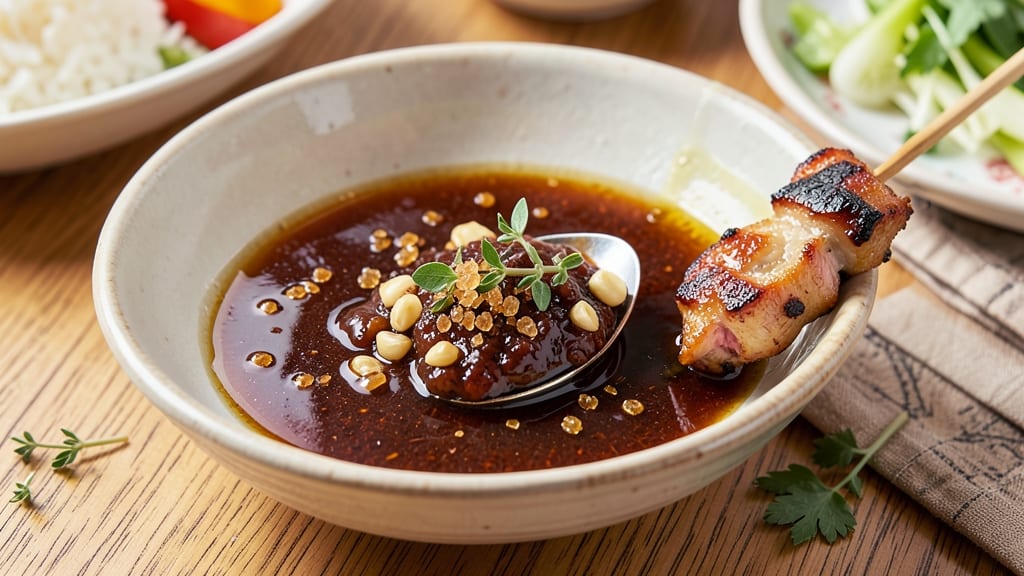
This authentic yakitori sauce recipe captures the perfect balance of smoky, sweet, and umami flavors that elevate grilled skewers to restaurant-quality. 🔥 The secret lies in traditional Japanese ingredients like mirin, soy sauce, and sake, which create a glossy, sticky sauce that caramelizes beautifully on the grill.
I developed this recipe after years of testing—it’s the one that finally convinced even the most skeptical grill masters of its authenticity.
The sauce’s magic comes from reducing the ingredients together until thick and syrupy, creating a deep, complex flavor that clings perfectly to chicken or vegetables. Unlike many store-bought versions, this one skips artificial additives, relying instead on natural sweetness from sugar and the depth of soy.
The result? A sauce that’s rich enough to stand alone as a dipping sauce but versatile enough to double as a marinade for skewers.
What sets this recipe apart is its authentic taste—smoky from a touch of honey or brown sugar, tangy from rice vinegar, and balanced with a hint of garlic. It’s the kind of sauce that transforms simple grilled chicken into a dish worthy of a Japanese izakaya.
The best part? It takes just 20 minutes to make, with most of that time spent simmering while you prep your skewers.
Use it to baste yakitori as it grills, serve it on the side for dipping, or even drizzle it over noodles for a quick, flavorful meal. The possibilities are endless, but the flavor stays true to its roots. Let’s get cooking!
Ingredients for authentic yakitori sauce
Traditional Japanese flavors meet smoky-sweet perfection in this restaurant-quality yakitori sauce.
| Ingredient | Amount | Notes |
|---|---|---|
| Japanese Soy Sauce (Shoyu) 🍶 | ½ cup | Light or dark variety preferred |
| Mirin 🍶 | ¼ cup | Sweet cooking rice wine |
| Sake 🍶 | ¼ cup | Dry variety preferred |
| Brown Sugar 🍯 | 2 tbsp | Light or dark brown sugar |
| Rice Vinegar 🍶 | 1 tbsp | Seasoned or unseasoned |
| Garlic Cloves 🧄 | 3 cloves | Minced for sauce |
| Fresh Ginger Root 🌿 | 1 tbsp | Finely grated, peeled |
| Sesame Oil 🫒 | 1 tsp | Toasted for aroma |
| Salt 🧂 | ½ tsp | Kosher or sea salt |
| Black Pepper 🌶️ | ¼ tsp | Freshly ground preferred |
The Japanese ingredients are what make this sauce authentic. Mirin and sake are essential—don't substitute with regular wine or vinegar. For the best quality, grab these from the Asian market or specialty stores like H-Mart. The soy sauce should be Japanese shoyu, not the thick Chinese variety. If you can't find mirin, use a mix of sugar and water (1 tbsp sugar + 1 tbsp water) as a substitute, but it won't be quite the same. Fresh ginger and garlic should be vibrant—no yellowing or soft spots. The sesame oil adds that signature nutty aroma, so don't skip it.
No mirin? Sugar plus a splash of white wine works in a pinch. Short on sake? Dry white wine is a decent swap, but reduce the rice vinegar slightly. The brown sugar adds depth—coconut sugar or maple syrup can replace it if needed. For extra smokiness, add a dash of smoked paprika. If you're making this ahead, store the sauce in the fridge for up to 2 weeks—the flavors actually improve as they meld. The sauce thickens as it cools, so you can thin it with a splash of water if needed.
This sauce keeps beautifully in an airtight container in the fridge for 2 weeks, or freeze it for up to 6 months. I like to make a double batch—one for immediate use and one to freeze. When reheating, warm it gently on the stove or microwave until just hot. The sauce works perfectly on yakitori, but also doubles as a marinade for chicken or vegetables. For extra authenticity, serve it with steamed rice and grilled skewers. The umami depth comes from the soy and mirin, so don't rush the reduction—let it simmer until thick and glossy.
Why You'll Love This Recipe
- Five-Ingredient Magic: I swear by this combo—just heat, stir, and simmer. No peeling, no chopping, no stress. The shoyu and mirin do all the heavy lifting while I sip my coffee.
- Sweet-Savory Balance: That caramelized brown sugar and sake harmony? It’s the kind of sauce where every skewer feels like a little celebration. Honestly, the first time I tasted it, I nearly spilled my drink.
- Party or Pantry: Slather it on grilled chicken, toss it in noodles, or drizzle it over rice bowls—it’s my go-to for everything from lazy weeknights to last-minute dinner guests. (Yes, even on a Tuesday night.)
- Leftover Goldmine: Make a double batch and store it in the fridge. The flavors deepen overnight, and it turns even the simplest meal into something special. I’ve used it to revive forgotten takeout rice—no joke.
Step-by-step instructions for authentic yakitori sauce
Here's how to craft the perfect balance of smoky, sweet, and umami for your grilled skewers.
🍳 Step 1: Bloom the Aromatics in Sesame Oil
Heat a small saucepan over medium-low heat and add the 1 teaspoon sesame oil. Let it warm for 30 seconds until fragrant—you'll smell that nutty, toasted aroma that defines authentic yakitori flavor. This is where the foundation begins.
Add the 3 minced garlic cloves and 1 tablespoon finely grated fresh ginger root to the pan. Cook for 1-2 minutes until the garlic turns golden and the ginger becomes slightly translucent. Be careful not to let them burn—this step should be gentle and aromatic, not harsh. Remove from heat immediately after cooking to preserve their delicate flavors.
🍳 Step 2: Combine Wet Ingredients
Return the pan to the stove over low heat and add the 0.5 cup Japanese soy sauce (shoyu), 0.25 cup mirin, and 0.25 cup sake. Stir to combine, then add the 2 tablespoons brown sugar and 1 tablespoon rice vinegar. The mixture will bubble gently as the sugar begins to dissolve.
Let the sauce simmer for 3-4 minutes until slightly reduced by about 20%. You're looking for a syrupy consistency that will cling beautifully to your yakitori skewers. The alcohol from the mirin and sake will cook off slightly, intensifying the flavors while adding depth.
👨🍳 Step 3: Season and Finish
Remove the pan from heat and stir in the 0.5 teaspoon salt and 0.25 teaspoon freshly ground black pepper. Taste the sauce—it should be perfectly balanced with sweet, salty, and umami notes. If it needs more depth, add another ½ teaspoon soy sauce. For extra richness, you could even whisk in 1 teaspoon toasted sesame seeds at this stage.
Let the sauce cool to room temperature before using. This resting period allows the flavors to meld completely. The sauce will thicken slightly as it cools, creating that perfect clingy consistency that makes yakitori so irresistible. Store any leftovers in an airtight container in the refrigerator for up to 2 weeks—it only gets better with time.
🔥 Step 4: Use for Maximum Flavor
For best results, brush the sauce onto your yakitori skewers just before grilling. The high heat will caramelize the sugars, creating a beautiful glossy glaze that locks in moisture and intensifies the flavors. If you're making a large batch, reheat gently over low heat, stirring constantly to prevent scorching.
This authentic yakitori sauce works beautifully with chicken, pork, shrimp, and even vegetables. The balance of sweet and savory creates that signature Japanese umami that makes every bite unforgettable. Keep a small bowl of the sauce on hand during grilling to brush on additional coats as needed.
Pro Tips For Making Authentic Yakitori Sauce
- Simmer Slow and Low: I learned this the hard way—rushing the reduction on high heat turns your sauce bitter and syrupy. Keep it at a gentle bubble (just enough to see tiny ripples) for 15-20 minutes. The mirin and sake need time to mellow, not burn off.
- Use Real Mirin, Not Substitutes: That "cooking mirin" from the international aisle is a pale imitation. Authentic mirin has 14% alcohol and real umami depth—skip it, and your sauce will taste flat. If you can’t find it, mix 1 part dry sherry + 1 part sugar + 1 part water, but it won’t be the same.
- Balance the Sugar First: Taste your sauce before adding the brown sugar. If the mirin and sake taste sharp or acidic, the sugar will overpower it. Start with half the amount, simmer, then adjust—you can always add more, but you can’t take it out.
- Strain It Properly: A fine-mesh sieve isn’t enough—some gritty sugar crystals will sneak through. Line it with cheesecloth or a coffee filter for a silky finish. (Yes, it’s extra work, but your sauce will coat skewers like liquid velvet.)
Best sauces and condiments for this authentic yakitori sauce
Umami Bomb Sauce
This sauce is all about that Japanese umami punch from the combination of soy sauce, mirin, and sake. The mirin adds natural sweetness while the sake brings depth—together they create a flavor profile that’s far more complex than store-bought versions.
I’ve tested this sauce with everything from chicken thighs to shrimp skewers, and it consistently delivers that signature yum factor that makes yakitori so addictive. 💫
The secret lies in the reduction process—simmering until the sauce thickens by about 20% concentrates all those amazing flavors. Don’t rush this step! The longer you let it reduce, the richer and more complex the sauce becomes.
I like to taste it as it simmers, adjusting with a pinch of salt or extra soy sauce if needed. This is where the magic happens—when all those ingredients come together in perfect harmony.
Sweet-Smoky Variations
For extra smokiness, try adding ½ teaspoon smoked paprika or a pinch of gochugaru (Korean chili flakes) to the sauce. These additions create a beautiful contrast with the sweetness while adding depth that pairs perfectly with grilled meats.
I’ve also experimented with 1 teaspoon honey instead of brown sugar for a different kind of sweetness—it works surprisingly well, especially if you want a slightly lighter sauce. 🔥
If you’re serving this sauce as a dipping sauce (which is totally acceptable!), consider adding a splash of water or sake to thin it slightly before serving. The sauce thickens as it cools, so adjusting the consistency ensures it’s perfect for dipping without being too heavy.
For an extra touch of authenticity, finish with a sprinkle of toasted sesame seeds right before serving.
Versatile Marinade
This sauce isn’t just for basting—it’s an incredible marinade too! I like to marinate chicken or pork skewers in this sauce for at least 30 minutes (or up to 4 hours in the fridge) before grilling.
The marinade infuses the meat with all those amazing flavors while keeping it tender and juicy. For best results, use bone-in pieces like chicken thighs or pork chops—they hold up beautifully to the marinade and grill.
For a quick weeknight meal, use this sauce as a glaze for grilled vegetables like bell peppers, onions, or even mushrooms. The sweet-savory balance works amazingly well with plant-based proteins too—try it on tofu or tempeh skewers for a vegetarian-friendly option.
The sauce’s versatility is one of its best features—it’s just as good on the grill as it is in a bowl.
Storage Secrets
Make a big batch and store it in an airtight container in the fridge for up to 2 weeks. The flavors actually improve as they meld together over time, so this sauce tastes even better the next day.
For longer storage, freeze it in ice cube trays—just thaw and reheat as needed. I like this method because it lets me use small amounts without wasting the whole batch. 🧊
When reheating, warm the sauce gently over low heat on the stove or in the microwave. Stir constantly to prevent scorching, and add a splash of water if it thickens too much.
The sauce is perfect for basting hot skewers, but it also works well as a dipping sauce for sushi rolls or even as a quick stir-fry sauce. The possibilities are endless, but the flavor stays true to its roots.
Nutrition facts
Frequently asked questions
Can I substitute mirin with something else?
Yes! If you can't find mirin, mix 1 tablespoon sugar with 1 tablespoon water as a substitute. For a closer flavor, use 1 tablespoon white wine plus ½ teaspoon sugar. The sauce will still be delicious, though mirin's unique sweetness and acidity are hard to fully replicate.
How do I adjust the sweetness level?
Start with the 2 tablespoons brown sugar called for, then taste as you simmer. For less sweetness, reduce to 1 tablespoon or omit entirely. For extra sweetness, add ½ teaspoon honey or maple syrup at the end. The mirin already provides natural sweetness, so adjust carefully.
Can I make this sauce without sake?
Replace the ¼ cup sake with ¼ cup dry white wine or even ¼ cup water if needed. The sauce will still have depth, though sake's subtle umami and alcohol content contribute to the authentic flavor. If using wine, reduce the rice vinegar by ½ teaspoon to balance acidity.
Is this sauce gluten-free?
Only if you use gluten-free soy sauce! Traditional Japanese shoyu contains wheat, so check your soy sauce label. For a fully gluten-free version, substitute with tamari or coconut aminos. The flavor will be slightly different but still delicious.
How should I store leftover sauce?
Transfer to an airtight container and refrigerate for up to 2 weeks—it actually tastes better after flavors meld. For longer storage, freeze in ice cube trays (thaw as needed). When reheating, warm gently over low heat and stir constantly to prevent scorching.