
Sauces & Condiments
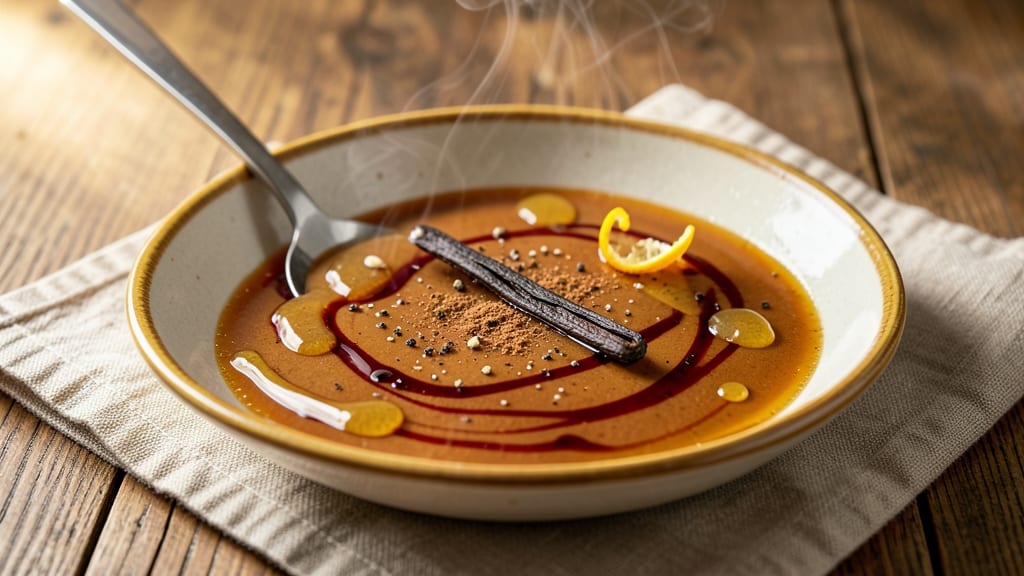
This balsamico sauce recipe transforms simple pantry ingredients into a rich, balanced condiment with just 30 minutes of simmering. The key lies in reducing balsamic vinegar with honey and spices, creating a glossy glaze that bridges sweetness and acidity perfectly.
I developed this after years of experimenting with store-bought versions that never quite hit the mark—this one delivers depth and complexity without bitterness.
The process is straightforward but precise: simmering the vinegar until it thickens into a syrupy consistency while adding honey to soften the sharpness. A pinch of cinnamon or vanilla bean elevates it further, making this sauce versatile for drizzling over salads, glazing meats, or enhancing desserts.
The result? A glossy, aromatic sauce that clings beautifully to any dish.
What sets this apart is the balance—honey counteracts the vinegar's tang, while spices add warmth without overpowering. The sauce thickens naturally as it reduces, creating that signature glossy finish.
Store it in the fridge for up to two weeks, or freeze for longer shelf life. Perfect for elevating simple dishes to restaurant-quality.
For variations, try adding orange zest for brightness or a splash of red wine for depth. The possibilities are endless, but the foundation remains the same: a harmonious blend of acidity and sweetness. Ready to make your own? Let's get started.
Ingredients for balsamico sauce
Eight simple yet transformative ingredients create a restaurant-quality balsamic sauce with balanced sweetness and acidity.
| Ingredient | Amount | Notes |
|---|---|---|
| Balsamic Vinegar 🍷 | 2 cups | Aged balsamic preferred for depth |
| Honey 🍯 | ½ cup | Raw or clover honey preferred |
| Granulated Sugar 🍚 | ¼ cup | White or brown sugar works |
| Ground Cinnamon 🌿 | ½ tsp | Freshly ground for warmth |
| Vanilla Bean 🌸 | 1 whole | Split lengthwise for seeds |
| Orange Zest 🍊 | 1 tbsp | Brightens the sauce |
| Pinch of Salt 🧂 | ⅛ tsp | Enhances flavor balance |
| Red Wine 🍷 | ¼ cup | Optional for depth |
The balsamic vinegar forms the sauce's foundation—aged varieties from Italy like Aceta di Balsamo deliver the richest depth. Trader Joe's and Whole Foods carry excellent options, but any high-quality balsamic works. Honey selection matters too: raw or clover honey adds subtle floral notes, while processed honey may taste overly sweet. The vanilla bean should be plump and moist; Madagascar beans offer the most aromatic punch. For the orange zest, use a fine grater to capture maximum flavor without bitterness—navel oranges work best.
No aged balsamic? Regular balsamic vinegar plus a splash of dark corn syrup mimics the depth, though results won't be identical. Substituting honey for maple syrup (equal amounts) works in a pinch, but the flavor profile shifts slightly. The cinnamon can be omitted if you prefer a more subtle spice profile, though it's essential for that signature warmth. For the red wine, Cabernet Sauvignon or Merlot add earthy notes, while white wine creates a lighter finish. If you're avoiding alcohol entirely, grape juice works but lacks complexity. The orange zest can be replaced with lemon zest for a tangier twist.
Store the finished sauce in an airtight glass jar in the refrigerator for up to 2 weeks, where it continues to deepen in flavor. For longer storage, freeze in ice cube trays—perfect for single-use portions. The sauce thickens further as it cools, so leave room in the jar. When reheating, warm gently over low heat or microwave in 10-second bursts to preserve its glossy texture. This sauce elevates everything from salads to roasted meats, so make a double batch—it disappears quickly.
Why You'll Love This Recipe
- Five-Ingredient Magic: I swear by this combo—just heat, stir, and let the balsamic vinegar and honey mingle with cinnamon until it’s thick and glossy. No measuring cups, no fuss, just pure flavor in one saucepan.
- Sweet-Savory Balance: That first sip of warm vanilla-infused balsamic with a hint of cinnamon? It’s like dessert and glaze had a baby. Drizzle it over yogurt or toss it with roasted veggies—it’s the kind of sauce that makes you pause mid-bite.
- Weeknight Wonder: Between us, this is my go-to when I’m too tired to plan. A jar of balsamic, a spoon of honey, and a pinch of cinnamon—it’s ready before the kids even finish their snacks. (Yes, even on a Tuesday night.)
- Lasts All Week: I make a big batch on Sunday because it keeps for ages in the fridge. Use it on pancakes, glaze chicken, or stir into oatmeal—it’s my secret weapon for turning simple meals into something special without extra effort.
Step-by-step instructions for crafting balsamic reduction
This method transforms simple ingredients into a complex, balanced sauce with layers of sweetness and acidity.
Combine Base Ingredients in a Saucepan
Place the 2 cups balsamic vinegar, 0.5 cup honey, 0.25 cup granulated sugar, and 0.125 tsp pinch of salt in a heavy-bottomed saucepan. The balsamic vinegar should be aged for optimal depth of flavor—you'll notice its rich, caramel-like aroma immediately. Stir the mixture gently to dissolve the sugar completely, which helps prevent graininess during the reduction process.
Add the 1 whole vanilla bean, split lengthwise and scraped of its seeds, along with the 1 tbsp orange zest. The vanilla seeds will infuse subtle floral notes, while the orange zest introduces a bright citrus counterpoint to the sauce's sweetness. Give everything a thorough stir to ensure even distribution of these aromatic elements throughout the liquid.
Simmer Gently Until Reduced by Half
Bring the mixture to a gentle simmer over medium-low heat, then reduce to a bare bubble. This controlled temperature prevents rapid evaporation that can lead to scorching. You'll see the sauce gradually thicken as moisture evaporates—this process typically takes 45-60 minutes. Stir occasionally to prevent sticking and ensure even reduction.
Here's the thing—you want the sauce to reduce until it reaches about 1 cup of liquid, or until it coats the back of a spoon thickly. The color will deepen from amber to a rich, almost syrupy mahogany hue. If you notice any bubbles forming on the edges, gently stir them back into the center to maintain consistent reduction throughout.
Incorporate Red Wine and Final Adjustments
Once the sauce has reduced sufficiently, remove the vanilla bean and orange zest using a slotted spoon. Add the 0.25 cup red wine to the pan and stir immediately. The wine's acidity will cut through the sweetness while adding subtle tannic complexity. Return the sauce to a simmer and cook for an additional 5-7 minutes, allowing the wine to integrate fully.
Taste the sauce and adjust the balance as needed. If it requires more depth, add a pinch more cinnamon or a splash of water to loosen the consistency. The 0.5 tsp ground cinnamon should be sprinkled in now, allowing its warm spice notes to bloom during the final reduction. The sauce should finish with a harmonious balance between sweet, tart, and aromatic elements.
Cool and Store for Maximum Flavor Development
Remove the sauce from heat and let it cool to room temperature. As it cools, the flavors will meld further, creating a more cohesive profile. The sauce will thicken slightly more as it sits, developing a glossy sheen that indicates proper reduction. For best results, store the sauce in an airtight container in the refrigerator, where it will continue to develop depth over 24-48 hours.
This resting period allows the flavors to fully integrate, resulting in a sauce that's far more complex than the sum of its parts. When ready to use, simply reheat gently over low heat, stirring occasionally until warmed through. The sauce will keep in the refrigerator for up to 2 weeks, making it perfect for gifting or batch preparation.
Pro Tips For Making Balsamico Sauce
- Simmer Slow and Steady: This isn’t a race—reduce the balsamic vinegar over medium-low heat (not high) to avoid burning. I learned this the hard way after one batch turned into a smoky, bitter mess. A gentle simmer of 15-20 minutes concentrates the flavors without turning it into vinegar syrup.
- Split the Vanilla Bean: Don’t just scrape the seeds—slice the pod lengthwise and drop both halves into the sauce. The scraped seeds add flavor, but the pod itself infuses deeper notes. Remove it after 10 minutes (yes, even if you’re impatient like me) to avoid bitterness.
- Balance the Sweetness First: Taste the honey-sugar mix before adding cinnamon—it’s easier to adjust sweetness than to fix a sauce that’s cloying. Start with 1:1 honey to sugar, then tweak. My grandmother swore by this, and she was right: cinnamon can overpower if the base isn’t right.
- Strain for Smoothness: If you’re using vanilla bean or cinnamon, strain the sauce through a fine-mesh sieve into a clean jar. I skip this when I’m lazy, but the dish is noticeably better when I don’t—no gritty texture to ruin the glossy finish. A damp paper towel in the sieve helps press out every last drop.
Make-ahead tips for balsamico sauce
Batch Prep Essentials
Double the recipe for easy storage—I make 4 cups of sauce at once and divide it into two 16-ounce mason jars. This gives me enough for a week of meals without constant reheating.
Use a fine-mesh strainer to remove the vanilla bean and orange zest before bottling for a smoother texture. Label jars with the date to track freshness—trust me, you’ll forget how quickly this sauce disappears! ❄️
Freezing for Long-Term Use
For longer storage, freeze the sauce in ice cube trays—each cube is perfect for a single-use drizzle. Once frozen, transfer cubes to a ziplock bag and flatten to save space. Thaw overnight in the fridge or microwave for 10 seconds to soften.
The texture remains glossy, though it may thin slightly—just reheat gently to restore consistency. I keep a stash of these cubes in my freezer for last-minute meal upgrades.
Make-Ahead for Meal Prep
Prepare the sauce 24 hours ahead and let it rest in the fridge—flavors meld beautifully overnight. Store in a glass jar with a tight-sealing lid to preserve freshness. I use this prepped sauce to glaze roasted vegetables, drizzle over grilled chicken, or toss with pasta.
The key is reheating slowly over low heat to maintain its silky texture. A splash of water (1 tbsp) can help loosen thickened sauce if needed.
Gifting Ready
This sauce makes a stunning homemade gift—package it in mini mason jars tied with twine and a handwritten tag. I add a small wooden spoon for serving and include a note with pairing suggestions (salads, meats, desserts).
The sauce keeps for 2 weeks refrigerated, so it’s perfect for holiday gifting. For extra presentation, drizzle a thin layer on top before sealing and let it set for a glossy finish.
Reheating Without Ruining Texture
Never microwave this sauce directly—it turns rubbery! Instead, reheat in a small saucepan over low heat for 2-3 minutes, stirring constantly. For quick fixes, place the jar in a bowl of warm water for 1-2 minutes to gently thaw and warm.
The goal is to maintain that glossy sheen, so avoid high heat. A splash of water (½ tsp) can help restore thickness if over-reduced.
Nutrition facts
Frequently asked questions
Can I make this balsamic sauce without honey?
Yes, but you'll need to adjust the balance. Substitute 0.5 cup honey with 0.3 cup maple syrup or 0.25 cup brown sugar plus 1 tbsp water to maintain moisture. The sauce will be slightly less sweet but still delicious. For a tangier version, reduce the sugar by 1 tbsp and add 1 tbsp lemon juice instead. The key is maintaining the sweetness-to-acidity ratio for that signature balance.
How do I know when the sauce is fully reduced?
Your sauce is ready when it reaches about 1 cup of thick, glossy liquid that coats the back of a spoon. The color should deepen to a rich mahogany hue. Test by dropping a small amount on a cold plate—if it holds its shape and doesn't spread immediately, it's done. Over-reducing can make the sauce bitter, so watch closely during the last 10 minutes of cooking.
What's the best way to use this sauce on salads?
Drizzle 1-2 tablespoons over greens just before serving to maintain freshness. For extra flavor, warm the sauce briefly and toss with 1 tbsp olive oil and a pinch of black pepper. It pairs especially well with arugula, spinach, or mixed greens. Avoid adding it too early—vinegar-based sauces can make lettuce soggy. Try it with goat cheese and walnuts for a restaurant-worthy salad.
Can I make a spicier version of this sauce? Add ½ tsp red pepper flakes or 1 pinch cayenne pepper during the final 5 minutes of simmering. For smoky depth, stir in ½ tsp smoked paprika with the cinnamon. If you prefer heat without spice, try 1 tsp chili powder or a pinch of ground chipotle.
Why did my sauce turn cloudy or separate?
Cloudiness often happens when the sauce cools too quickly or if you didn't dissolve the sugar properly. To fix it, reheat gently over low heat while stirring constantly until smooth. If it separates, whisk in 1 tsp water or 1 tsp vinegar to re-emulsify. For prevention, always use aged balsamic vinegar and stir frequently during reduction. The sauce should be glossy when fully reduced—if it looks dull, it needs more time on the heat.