
Sauces & Condiments
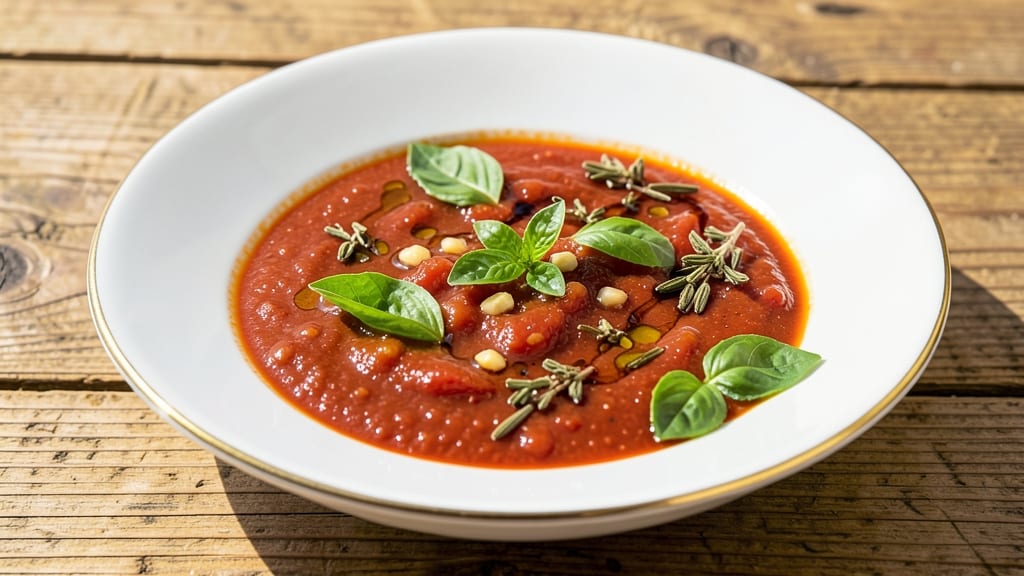
Inspired by Ina Garten’s signature approach, this Barefoot Contessa marinara sauce recipe delivers bright, balanced tomato flavor with layers of garlic-infused depth—perfect for pasta, pizza, or dipping.
The secret lies in slow simmering canned tomatoes with aromatic garlic and fresh herbs, creating a sauce that’s rich yet approachable, with just the right touch of acidity to brighten every bite.
What sets this marinara apart is its simplicity: no fresh tomatoes needed, no complicated techniques. Just a handful of pantry staples—canned tomatoes, garlic, olive oil, and herbs—simmered together until the flavors meld into a velvety, aromatic sauce.
The key is patience; letting it reduce slowly develops a depth that store-bought sauces can’t match.
By the time you’re done, you’ll have a smooth, well-balanced marinara with a subtle sweetness from the tomatoes and a savory punch from the garlic and herbs.
It’s the kind of sauce that elevates any dish—whether tossed with al dente pasta, drizzled over grilled chicken, or used as a dip for crusty bread.
Store it in the fridge for up to five days or freeze for months, so you always have a restaurant-quality marinara on hand. Here’s how to make it—simple, foolproof, and packed with flavor.
Ingredients for barefoot contessa marinara sauce
Pantry basics plus a few fresh touches—this marinara delivers restaurant-quality flavor.
| Ingredient | Amount | Notes |
|---|---|---|
| Canned San Marzano Tomatoes 🍅 | 28 oz | Crushed by hand for texture |
| Extra-Virgin Olive Oil 🫒 | ½ cup | High-quality, fruity variety |
| Garlic Cloves 🧄 | 6 cloves | Minced for aromatic depth |
| Fresh Basil Leaves 🌿 | ½ cup | Packed, stems removed |
| Red Wine Vinegar 🍷 | 1 tbsp | For bright acidity |
| Dried Oregano 🍃 | 1 tsp | Or 1 tbsp fresh oregano |
| Salt 🧂 | 1 ½ tsp | Diamond Crystal preferred |
| Black Pepper 🌶️ | ½ tsp | Freshly cracked |
| Sugar 🍬 | 1 tsp | Balances acidity |
The tomatoes make or break this sauce. San Marzano is ideal (sweet, meaty, and low-acid), but any high-quality canned tomatoes work. Trader Joe's or Whole Foods carry reliable brands, but check the shelf—older cans lose flavor. Fresh basil is best, but dried oregano works in a pinch. For garlic, I always use 6 cloves—don’t skimp, it’s the flavor anchor. The olive oil? Extra-virgin is non-negotiable here—it’s the sauce’s backbone, so splurge on a good bottle.
No San Marzano? Crushed tomatoes work too, but strain out the skins for silkier texture. Running low on fresh basil? Dried oregano at 1/3 the amount keeps the Mediterranean vibe. Short on red wine vinegar? Lemon juice or balsamic adds brightness, though vinegar’s acidity is key. The sugar balances the tomatoes’ natural acidity—skip it if yours are particularly sweet. For a deeper flavor, toast the garlic cloves in olive oil for 30 seconds before adding them to the sauce.
This sauce tastes even better the next day as flavors meld. Store in an airtight container in the fridge for 5-7 days or freeze for up to 3 months. I like to portion it into ice cube trays for easy single-use servings—perfect for quick pasta nights. If it thickens too much, just stir in a splash of water or broth when reheating.
Why You'll Love This Recipe
- I’ll be real: I hate chopping garlic. This sauce lets me crush a few cloves with the flat of my knife—no tears, no mess—and still end up with that deep, aromatic punch. The San Marzano tomatoes handle the rest.
- No Chopping Needed: I’ll be real: I hate chopping garlic. This sauce lets me crush a few cloves with the flat of my knife—no tears, no mess—and still end up with that deep, aromatic punch. The San Marzano tomatoes handle the rest.
- Wine Vinegar Trick: That splash of red wine vinegar? It’s the secret weapon. Brightens the sauce without overpowering, and the basil ties it all together like a fresh, herby hug. Honestly, my picky teenager actually asks for seconds now.
- Weeknight & Potluck Hero: Toss it with pasta for dinner, slather it on garlic bread for a crowd, or pack jars for lunches. It reheats like a dream—no separation, no sad textures. My go-to for when I’m too tired for fancy cooking.
Step-by-step instructions for simmered tomato sauce with garlic depth
Here's how to craft a rich, balanced marinara that shines with bright tomato flavor and aromatic garlic.
Sauté Garlic in Olive Oil Until Fragrant
Heat the 0.5 cup extra-virgin olive oil in a medium saucepan over medium-low heat. Add the 6 cloves minced garlic and cook for 2-3 minutes, stirring constantly. You'll smell the garlic transform from sharp to sweet and nutty—this is your signal it's ready. Watch carefully so it doesn't brown, which can make the sauce bitter. The oil should be shimmering but not smoking.
This step builds the flavor foundation. I like to use a small saucepan so the garlic cooks gently in its own fat, developing depth without burning. If you have a crowd, you can double the oil and garlic amounts while keeping the same proportions.
Add Tomatoes, Vinegar, and Seasonings
Pour in the 28 oz canned San Marzano tomatoes (crushed by hand if not pre-crushed) and stir to combine with the garlic oil. Add the 1 tbsp red wine vinegar, 1 tsp dried oregano, 1.5 tsp salt, 0.5 tsp black pepper, and 1 tsp sugar. The vinegar will brighten the tomatoes while the sugar helps balance any acidity. Stir everything together until the salt and pepper dissolve completely.
Here's the thing—don't skip the sugar. It might seem counterintuitive, but it rounds out the acidity from the tomatoes and vinegar, making the sauce taste more complex. The oregano should be well distributed so every bite has that earthy warmth.
Simmer Uncovered for Deep Flavor Development
Bring the sauce to a gentle boil over medium-high heat, then immediately reduce to low heat. Let it simmer uncovered for 30-45 minutes, stirring occasionally. You're looking for the sauce to reduce by about one-third—it should coat the back of a spoon but still be loose enough to drizzle. The longer it simmers, the more concentrated the flavors become.
This is where patience pays off. I usually set a timer and stir every 10 minutes to prevent sticking. If the sauce looks too thick, add 1-2 tablespoons of water to loosen it. The goal is a sauce that's rich but still flows easily over pasta.
Finish with Fresh Basil and Adjust Seasoning
Remove the sauce from heat and stir in the 0.5 cup fresh basil leaves. Let it steep for 5 minutes—this infuses the sauce with bright, fresh basil flavor. After steeping, taste and adjust seasoning if needed. You might need a little more salt or pepper, depending on your tomatoes. The basil should make the sauce smell vibrant and fresh.
I always taste at this stage because store-bought tomatoes can vary in saltiness. If the sauce tastes flat, a pinch more salt or a splash of vinegar can wake it up. The basil should be finely chopped and distributed evenly—no large pieces should remain.
Serve Warm Over Pasta or Use as a Dipping Sauce
Serve the marinara immediately over al dente pasta or use it as a dipping sauce for crusty bread. The sauce should be glossy with a balance of sweet, acidic, and savory notes. If you're making it ahead, let it cool completely, then refrigerate for up to 5 days or freeze for 3 months. The flavors actually improve with time as they meld together.
This sauce pairs perfectly with spaghetti, penne, or fresh egg noodles. For extra richness, stir in a little Parmigiano-Reggiano when serving. The key to a great marinara is letting the tomatoes shine while building layers of flavor through slow simmering and proper seasoning.
Pro Tips For Making Barefoot Contessa Marinara Sauce
- CRUSH GARLIC GENTLY: The Barefoot Contessa recipe calls for minced garlic, but I learned the hard way—when you smash those cloves with the flat of your knife, you release bitter allicin. Instead, finely chop them (or use a microplane) and add them after the onions soften. That way, they caramelize just enough to perfume the sauce without overpowering it.
- SIMMER LOW AND LONG: This sauce isn’t a race. After adding the tomatoes, reduce heat to lowest possible (I mean, turn it down until you’re basically whispering to the pot) and let it bubble softly for at least 30 minutes. Skim any foam that rises—it’s the stuff that makes your sauce taste bitter and unbalanced.
- SALT THE TOMATOES FIRST: Dump those San Marzano tomatoes into a bowl, sprinkle with 1 teaspoon salt (yes, even if the can says "low-sodium"), and let them sit 10 minutes. This draws out excess water, so your sauce thickens faster and doesn’t taste watery. Rinse the can too—those little tomato specks add up.
- STIR IN BASIL LATE: Fresh basil wilts into oblivion if you add it too soon. Wait until the very end—when the sauce is reduced and smells like heaven—then toss in the leaves. If you’re serving it immediately, rip a few leaves over the top instead. (Your future self will curse you if you blend it in.)
Dietary considerations for these flavors
Gluten-Free Adaptations
This marinara is naturally gluten-free since it only contains tomatoes, garlic, olive oil, and herbs. The key is to avoid cross-contamination—use a clean pot and wooden spoon if you’ve handled gluten-containing ingredients recently.
I always double-check my San Marzano tomatoes and oregano labels for hidden gluten warnings, especially if you're sensitive. 🌾
Dairy-Free Options
For a dairy-free version, simply omit any cheese additions when serving. The sauce itself is already dairy-free, but if you're using it in recipes like lasagna, swap regular ricotta for a dairy-free alternative like cashew cream or tofu ricotta. The rich tomato flavor stands up beautifully without dairy.
Vegan-Friendly
This marinara is already vegan-friendly! Just ensure your olive oil is certified vegan (some brands use animal-derived additives) and that your basil isn’t grown with bone meal fertilizer. I love using this sauce as a base for vegan pasta dishes or as a dip with baked falafel.
The garlic and herbs add depth that makes it feel anything but basic. 🌱
Low-Sodium Adjustments
If you're watching sodium, reduce the 1.5 tsp salt to just ½ tsp and boost flavor with an extra ½ tsp black pepper or a pinch of red pepper flakes.
You can also add 1 tbsp nutritional yeast for a cheesy, umami depth without extra salt. Taste as you go—store-bought tomatoes can vary in saltiness.
Allergen-Friendly Swaps
For nut allergies, avoid adding any nut-based thickeners. If you have garlic allergies, substitute with asafetida powder (½ tsp) for a similar savory depth. For basil allergies, try fresh parsley or thyme instead. Always check your olive oil label—some brands process with nuts or other allergens. 🚫
Keto-Friendly Version
To make this keto-friendly, reduce the 28 oz tomatoes to 14 oz (half the amount) and add 1 tbsp tomato paste for thickness. Skip the sugar and increase the red wine vinegar to 2 tbsp for extra acidity.
This creates a richer, more concentrated sauce that pairs well with zucchini noodles or cauliflower crust pizza. The garlic and herbs carry the flavor beautifully. 🥦
Nutrition facts
Frequently asked questions
Can I use fresh tomatoes instead of canned?
Fresh tomatoes work but require extra prep. For a similar texture, blend 3-4 large ripe tomatoes (peeled and seeded) until smooth, then strain through a fine-mesh sieve to remove skins. Use 2 cups of this purée to replace the canned tomatoes. Fresh tomatoes add brightness but lack the concentrated sweetness of canned San Marzano—expect a slightly tangier sauce.
How do I prevent the sauce from getting bitter?
Bitter flavors come from overcooking or burnt garlic. Keep the heat low and steady after the initial simmer, and never let the sauce boil vigorously. Remove from heat immediately if you see browned bits. For extra insurance, add 1 tsp sugar at the start to balance acidity, and stir frequently to prevent sticking.
Can I make this sauce in a slow cooker?
Combine all ingredients (except basil) in your slow cooker and cook on low for 4-6 hours or high for 2-3 hours. Stir occasionally to prevent sticking. Add fresh basil at the end, just like the stovetop version. The slow cooker method is perfect for hands-off prep, but you may need to add 1-2 tbsp water if it gets too thick.
What's the best way to store leftover sauce?
Let the sauce cool completely, then transfer to an airtight container. It keeps in the fridge for 5-7 days—flavors actually improve overnight! For freezing, portion into ice cube trays or small jars. Thaw in the fridge overnight, then reheat gently on the stove with a splash of water to restore texture.
How do I make this sauce spicier?
Add heat with red pepper flakes (½ tsp) or crushed chili peppers while simmering. For smoky depth, stir in ½ tsp smoked paprika at the end. For extra kick, blend in 1-2 tbsp hot sauce after removing from heat. Remember—spices build flavor as they simmer, so start with less and adjust to taste.