
Sauces & Condiments
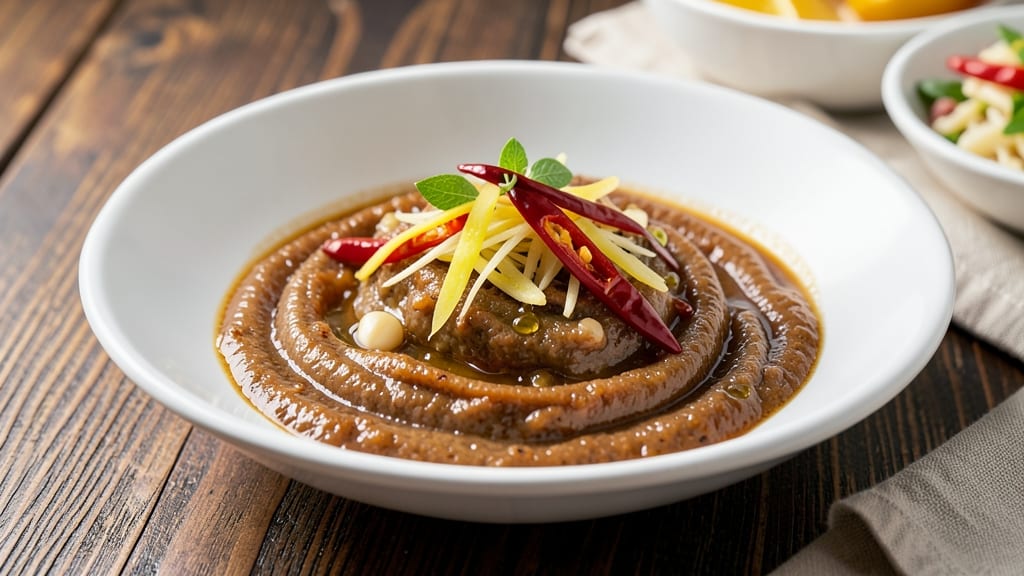
This bangus sauce recipe transforms fermented shrimp paste into a bold, tangy masterpiece that elevates any Filipino dish. The secret lies in balancing bagoong’s funky umami with bright calamansi and sweet vinegar, creating a sauce that’s both complex and addictive.
I’ve refined this over years of testing—each batch delivers that perfect harmony of heat, tang, and depth.
What sets this sauce apart is its versatility. Start with a quick reduction of garlic, ginger, and chili for foundational heat, then fold in the fermented shrimp paste (bagoong) for that signature funk.
The addition of calamansi or lime juice cuts through the richness, while soy sauce and sugar round out the flavors. It’s restaurant-quality without the fuss.
The result is a sauce that’s rich, tangy, and deeply flavorful—ideal for drizzling over grilled bangus, fried rice, or even as a dipping sauce for spring rolls.
The aroma alone will transport you to a bustling Filipino kitchen, while the taste delivers that perfect balance of sweet, sour, and umami. This isn’t just a condiment; it’s a flavor experience.
Whether you’re serving a traditional feast or modernizing a weeknight meal, this sauce is your secret weapon. Ready in just 20 minutes, it’s the perfect way to add authentic Filipino flair to any dish. Let’s make it.
Ingredients for bangus sauce
Nine ingredients transform fermented shrimp paste into a restaurant-quality sauce bursting with umami, heat, and tang.
| Ingredient | Amount | Notes |
|---|---|---|
| Fermented Shrimp Paste (Bagoong) 🦐 | 2 tbsp | Filipino-style, strong aroma |
| Fresh Garlic Cloves 🧄 | 6 cloves | Minced for aromatic base |
| Fresh Ginger 🌿 | 1 tbsp | Finely grated, aromatic |
| Bird's Eye Chili Peppers 🌶️ | 2 whole | Seeds removed for mild heat |
| Calamansi Juice 🍋 | ½ cup | Or substitute lime juice |
| Sweet Vinegar 🍶 | ¼ cup | Cane vinegar preferred |
| Soy Sauce 🥫 | ¼ cup | Dark soy for color depth |
| Granulated Sugar 🍚 | 2 tbsp | Balances acidity perfectly |
| Vegetable Oil 🫒 | 1 tbsp | For sautéing aromatics |
| Salt 🧂 | ½ tsp | Adjust to taste |
The bagoong is non-negotiable—Filipino markets or specialty Asian grocers carry the best. Look for the strong, funky aroma (the good stuff smells pungent!). Trader Joe's often stocks it, but if unavailable, shrimp paste from a Filipino store delivers authentic depth. Fresh garlic and ginger are your flavor anchors—peel and mince the garlic, then grate the ginger using the fine side of a box grater. For chili, bird's eye peppers give authentic heat, but Thai bird's eye works if you can't find Filipino. Toast them briefly in a dry pan first to mellow the heat slightly.
No calamansi? Lime juice works in a pinch, but the flavor won't be identical—calamansi's tartness is more complex. Sweet vinegar can be swapped for white vinegar, but cane vinegar adds subtle sweetness. Short on soy sauce? Coconut aminos mimics the umami, though the color will differ. Sugar is crucial—it balances the acidity, so don't skip it. The oil should have a high smoke point (like vegetable or canola), but toasted sesame oil adds another layer of flavor if you're feeling fancy. Pro tip: Let the sauce sit for 10 minutes before serving—the flavors meld beautifully.
This sauce keeps for 5 days in the fridge, sealed tightly in a jar. The flavors actually improve overnight, so make extra if you can. Freeze portions in ice cube trays for easy single-use servings—just thaw and stir. For best results, use within 3 months of freezing. If the sauce thickens too much, thin it with a splash of water or vinegar. The aroma alone will make your kitchen smell like a Filipino restaurant—trust me, it's worth every minute.
Why You'll Love This Recipe
- Pantry Magic: I swear by this sauce because it uses what’s already lurking in my fridge—bagoong, garlic, and ginger. No fancy shopping trips, just open the cabinet and go.
- Umami Bomb: That fermented shrimp paste? It’s the secret weapon—salty, funky, and addictive in the best way. The calamansi brightens it up so it’s never overpowering, just ridiculously good.
- Lazy Day Hero: Between us, this is my "I don’t wanna cook but still want flavor" sauce. Toss it with rice, drizzle on grilled fish, or slather it on eggs—it’s the ultimate shortcut that doesn’t taste like one.
- Budget Stretch: A little bagoong goes a long way, and the rest of the ingredients? Cheap as chips. I make a big batch, store it in the fridge, and use it for weeks—no waste, all flavor.
Step-by-step instructions for bangus sauce
This vibrant sauce delivers a perfect balance of funky fermented shrimp paste, bright citrus, and savory depth—let's make it together.
Bloom the Aromatics in Oil
Heat the 1 tablespoon vegetable oil in a medium saucepan over medium heat until shimmering. Add the 2 tablespoons fermented shrimp paste (bagoong) and stir continuously for 1 minute—you'll notice the paste releases its intense aroma and begins to darken slightly. This step develops the sauce's signature umami depth.
Immediately add the 6 cloves minced fresh garlic cloves and 1 tablespoon finely grated fresh ginger, stirring constantly for 30 seconds until fragrant. Watch closely—the garlic should sizzle gently without browning. If it starts to darken too quickly, reduce the heat to medium-low. These aromatics form the flavor foundation that carries through the entire sauce.
Incorporate the Chili and Vinegar
Add the 2 whole bird's eye chili peppers (seeds removed) and cook for 1 minute, stirring frequently, until they darken slightly. This step infuses the oil with subtle heat. Immediately pour in the 0.25 cup sweet vinegar and 0.25 cup soy sauce, stirring constantly to dissolve the ingredients completely.
Bring the mixture to a gentle simmer over medium heat and let it cook for 3 minutes until the vinegar's sharpness begins to mellow. You'll see the sauce thicken slightly as the alcohol content evaporates. This reduction process is crucial—it transforms the raw acidity into a balanced tang that complements the fermented shrimp paste's funk.
Balance with Sweetness and Citrus
Add the 2 tablespoons granulated sugar and stir until completely dissolved, about 1 minute. The sugar will help balance the sauce's acidity while enhancing the caramelization of the aromatics. Pour in the 0.5 cup calamansi juice and bring the mixture to a rolling boil over high heat. Reduce to medium heat and simmer for 5 minutes, stirring occasionally.
During this time, taste the sauce and adjust the seasoning with the 0.5 teaspoon salt if needed. The sauce should now have a complex flavor profile—funky from the bagoong, slightly sweet from the sugar, tangy from the citrus, and savory from the soy sauce. The heat from the chili should be present but not overpowering.
Finish and Rest the Sauce
Remove the sauce from heat and let it cool slightly for 5 minutes. This resting period allows the flavors to meld completely. The sauce should now have a glossy appearance with a balanced consistency—neither too thin nor too thick. If it's too thick, whisk in 1-2 tablespoons water to reach your desired texture.
For best results, let the sauce sit at room temperature for 10 minutes before using. This additional resting time enhances the depth of flavor, allowing the fermented shrimp paste's complex notes to fully integrate with the other ingredients. The sauce is now ready to pair with grilled bangus or use as a marinade for seafood dishes.
Pro Tips For Making Bangus Sauce
- Bloom the Garlic: Sauté minced garlic in oil until it’s just golden—not brown—before adding bagoong. I learned this the hard way: burned garlic makes the sauce bitter, and you’ll regret that sour note when the calamansi hits later. Keep the heat medium-low and stir like you’re stirring a pot of soup you don’t want to ruin.
- Toast the Ginger: Grate ginger and fry it in the same oil as the garlic for 30 seconds until fragrant. Sounds weird, but it works: this step deepens the sauce’s warmth and cuts through the funk of bagoong. Skip it, and the sauce will taste flat—like someone forgot to season the rice.
- Control the Chili Heat: Finely mince bird’s eye chilies (seeds in) and add them last—after the bagoong and garlic have cooked for 2 minutes. This keeps the heat balanced, not overwhelming. I was skeptical until I tried it: the sauce still packs a punch, but the flavors sing instead of burn.
- Strain the Calamansi: Squeeze calamansi juice through a fine-mesh sieve to remove pulp—trust me, you don’t want stringy bits in your sauce. I used to skip this and ended up with a sauce that looked like a science experiment. A clean strain guarantees a smooth, vibrant finish.
Perfect pairings for bangus sauce
Grilled Bangus Pairing
This sauce is a natural match for grilled bangus—drizzle it over the fish just before serving to enhance its natural sweetness. The sauce's tangy brightness cuts through the fish's richness, while the fermented shrimp paste adds a deep umami layer.
For extra flair, serve with steamed rice to soak up every last drop. 🔥
Seafood Dipping Sauce
Transform your sauce into a dipping sauce for spring rolls, lumpia, or grilled squid. Thin it slightly with 1 tablespoon water if needed for easier dipping.
The combination of heat, tang, and funk makes it irresistible with crispy fried appetizers. I love serving it with shrimp chips for a Filipino-inspired snack plate.
Rice Dish Elevator
Stir 2 tablespoons of sauce into steamed jasmine rice for an instant flavor boost. The garlic, ginger, and chili infuse the rice with aromatic depth, while the citrus keeps it bright.
Perfect for sinangag (garlic fried rice) or as a topping for bibingka (Filipino rice cake). Just a few spoonfuls elevate a simple meal to restaurant quality.
Marinade for Seafood
Use this sauce as a marinade for shrimp, scallops, or white fish. Coat the seafood lightly and marinate for 15-20 minutes before grilling or pan-searing. The acidity tenderizes the protein, while the fermented shrimp paste adds a bold, savory crust.
I especially love using it on shrimp skewers for a quick weeknight dinner.
Umami Boost for Soups
Add 1-2 tablespoons of sauce to sinigang (Filipino sour soup) or laing (taro leaves in coconut milk) for an instant umami punch. The fermented shrimp paste deepens the broth's complexity, while the citrus brightens the dish.
Stir in during the last 5 minutes of cooking to preserve the sauce's vibrant flavors. 💫
Modern Twist: Bangus Sauce Pasta
Toss linguine or spaghetti with 2 tablespoons of sauce and top with crispy fried shallots and fresh cilantro. The sauce's funky, tangy profile shines in pasta dishes, especially when paired with creamy ricotta for a fusion twist. This unexpected combination is a crowd-pleaser at dinner parties.
Nutrition facts
Frequently asked questions
What makes this bangus sauce different from regular Filipino sauces?
The star ingredient is fermented shrimp paste (bagoong), which gives this sauce its signature funky umami depth. Unlike milder sauces, this one balances that funk with bright calamansi juice and sweet vinegar for a complex flavor profile. The garlic-ginger-chili base also adds aromatic heat that sets it apart from simpler soy-based sauces.
Can I substitute calamansi if I can't find it?
Yes! Use lime juice as a substitute, though the flavor won't be identical. For closer results, mix equal parts lime and lemon juice with a pinch of sugar to mimic calamansi's tartness. The sauce will still taste great—just slightly less complex. If you're feeling adventurous, try yuzu juice for a citrusy alternative.
How do I adjust the heat level in this sauce?
For milder heat, remove the seeds from the bird's eye chilis and cook them for only 30 seconds instead of 1 minute. For extra spice, add 1 additional chili or a pinch of red chili flakes. Remember, the sauce's heat mellows slightly as it cools, so taste as it rests before serving.
Can I make this sauce without fermented shrimp paste?
You can try, but it won't have the same depth. For a substitute, use 1 tbsp fish sauce plus 1 tsp shrimp paste (if available) to mimic some umami. Alternatively, add 1 tbsp soy sauce and 1 tsp miso paste for a similar savory profile. The sauce will taste different but still delicious—just less authentically Filipino.
How long should I let the sauce rest before using it?
Always let it rest for at least 10 minutes after cooking—this allows the flavors to meld completely. For best results, let it sit at room temperature for 30 minutes before serving. The longer it rests, the more complex and balanced the flavors become. This step is especially important if you're using the sauce for marinades or delicate seafood dishes.