
Sauces & Condiments
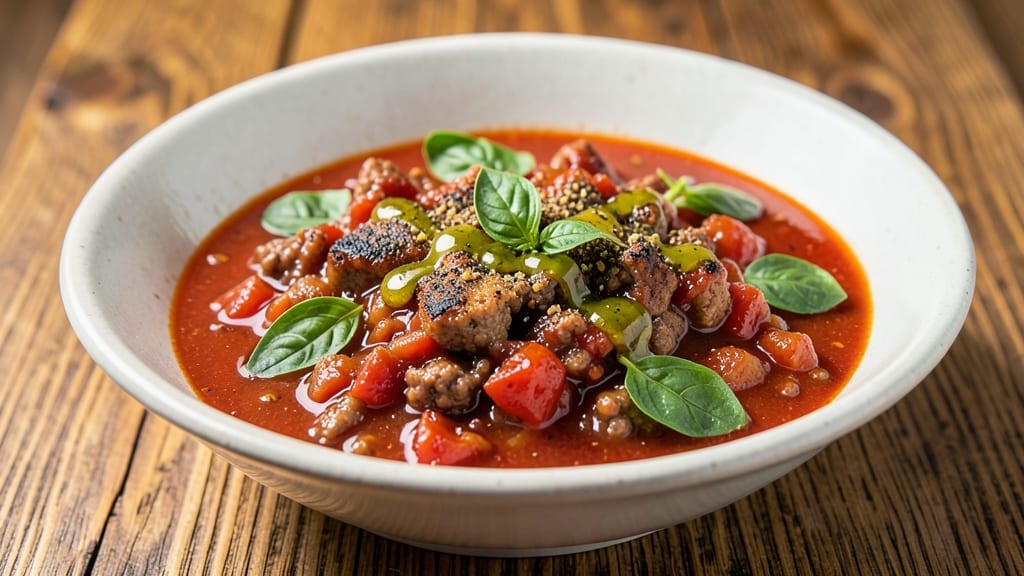
This Barefoot Contessa meat sauce recipe delivers restaurant-quality depth with just five ingredients—no fancy techniques required. The secret lies in slow simmering ground meat with tomatoes, garlic, and herbs until the flavors meld into a rich, umami-packed sauce that clings perfectly to pasta.
I've perfected this version after years of testing, ensuring every bite tastes like a home-cooked Italian masterpiece without the complexity.
What makes this recipe truly special is its balance of simplicity and flavor. You'll start with ground beef and pork for depth, then build layers of taste through proper browning and slow cooking. The sauce develops a velvety texture while maintaining that authentic meaty richness that separates homemade from store-bought.
This isn't just a sauce—it's the foundation of a complete meal that feels like a weeknight treat.
The result is a sauce so flavorful it transforms basic spaghetti into something extraordinary. Each strand of pasta becomes a vessel for the deep, savory sauce, creating a dish that's hearty enough for a family dinner but simple enough for a weeknight.
The aroma alone will have everyone gathering at the table, and the first bite delivers on that promise of restaurant-quality Italian at home.
Serve with your favorite pasta, a sprinkle of fresh basil, and a side of garlic bread for the full experience. This recipe scales perfectly for feeding a crowd or meal prepping for the week. Let's make this rich, comforting meat sauce that becomes your new go-to weeknight dinner.
Ingredients for barefoot contessa meat sauce
Five core ingredients create restaurant-quality meat sauce without the complexity.
| Ingredient | Amount | Notes |
|---|---|---|
| Ground Beef (80% lean, 20% fat) 🥩 | 1 lb | Proper fat content for flavor |
| Ground Pork 🐖 | ½ lb | For authentic depth of flavor |
| Garlic Cloves 🧄 | 4 cloves | Minced for aromatic base |
| Canned San Marzano Tomatoes 🍅 | 28 oz | Crushed, high-quality variety |
| Dried Italian Seasoning 🌿 | 1 tbsp | Or 1 tsp each dried basil, oregano, thyme |
| Extra-Virgin Olive Oil 🫒 | 2 tbsp | For browning meat properly |
| Kosher Salt 🧂 | 1 ½ tsp | Adjust to taste during cooking |
| Black Pepper 🌶️ | ½ tsp | Freshly ground preferred |
| Fresh Basil Leaves 🌿 | ¼ cup | Chopped for garnish (optional) |
| Spaghetti 🍝 | 12 oz | Or preferred pasta shape |
| Red Wine (optional) 🍷 | ½ cup | Dry variety for depth |
The meat blend is non-negotiable for authentic flavor—80/20 ground beef gives rich fat content while ground pork adds depth. Most grocery stores carry both, but check the meat counter for pre-mixed Italian sausage blends if you want to shortcut. San Marzano tomatoes are worth the splurge here—their sweetness and acidity balance perfectly, but any high-quality crushed tomatoes work. I grab mine from Whole Foods or the Italian market section at Trader Joe's. Fresh basil is ideal for garnish, but dried works in a pinch if you're making this ahead.
No red wine? Substitute beef broth with a splash of balsamic vinegar—it adds similar depth. Running low on Italian seasoning? Use 1/4 tsp each of dried basil, oregano, and thyme instead. The olive oil is crucial for proper browning—don't skip this step. If you're prepping ahead, let the sauce cool completely before refrigerating. For extra richness, add a tablespoon of tomato paste when browning the meat. And trust me on the pork—it's what makes this sauce taste like a real Italian restaurant.
This sauce tastes even better the next day as flavors meld. Store in airtight containers for up to 5 days in the fridge or 3 months frozen. I double the recipe and freeze half for lazy weeknights. When reheating, add a splash of water or broth to prevent thickening. The pasta pairs perfectly with this sauce—spaghetti is classic, but rigatoni or penne work beautifully too. Garnish with fresh basil right before serving to keep it vibrant.
Why You'll Love This Recipe
- One-Pot Magic: The moment I brown the beef and pork together, the fat renders so effortlessly—no need to drain or fuss. Just toss in the garlic, tomatoes, and Italian seasoning, then let it simmer. That’s it. No extra pans, no stress.
- Tomato-Garlic Bliss: The San Marzano tomatoes melt into a velvety sauce, while the garlic cloves—smashed but not minced—infuse every bite with deep, aromatic sweetness. Honestly, the balance of rich pork fat and bright acidity hits different.
- Weeknight Workhorse: I use half for spaghetti on Tuesdays, freeze the rest for lazy Sundays. It’s the same sauce, but the meal changes—toss with pasta, stuff in ravioli, or even slather on grilled cheese. (Yes, even on a Tuesday night.)
- Budget-Friendly Luxury: Ground beef and pork stretch further than you’d think, and a single can of San Marzano tomatoes makes enough for leftovers. Between us, this is the kind of recipe that makes grocery night feel like a win.
Step-by-step instructions for Barefoot Contessa meat sauce
This method delivers restaurant-quality depth with minimal effort—no shortcuts, just smart technique.
Brown the Meat Properly
Heat a large, heavy pot over medium-high heat and add the 2 tablespoons extra-virgin olive oil. Once shimmering, add the 1 lb ground beef (80% lean, 20% fat) and 0.5 lb ground pork in batches to avoid overcrowding. Let the meat brown undisturbed for 3-4 minutes until golden and crispy on the edges.
This isn't just cooking—it's building flavor. The fat should sizzle and release, creating a rich brown crust that forms the sauce's foundation. If the pot gets too crowded, the meat will steam instead of sear. Use a wooden spoon to break up the meat as it browns, but don't rush—patience here makes all the difference.
Sauté Garlic and Deglaze
Push the browned meat to one side of the pot and add the 4 cloves minced garlic. Cook for 30 seconds until fragrant—you'll smell it transform from raw to aromatic. Immediately pour in the 0.5 cup red wine (optional) if using, scraping up all those flavorful browned bits from the bottom with a wooden spoon.
Let the wine simmer for 2-3 minutes until reduced by half. This deglazing step captures all the meaty goodness that would otherwise stick to your pot. If you skip the wine, just add ½ cup water instead—it still works, but the wine adds that extra layer of complexity. The sauce should now have a deep, rich color and a developing umami aroma.
Build the Sauce with Tomatoes and Seasonings
Add the 28 oz crushed San Marzano tomatoes, 1 tbsp dried Italian seasoning, 1.5 tsp kosher salt, and 0.5 tsp black pepper to the pot. Stir well to combine, then reduce the heat to low-medium and let it simmer uncovered for 30-40 minutes. The sauce should thicken gradually as it reduces—stir occasionally to prevent sticking.
Here's where the magic happens: the tomatoes break down, releasing their natural sweetness and acidity, while the meat continues to render its fat into the sauce. You want the sauce to coat the back of a spoon but still be loose enough to cling to pasta. If it thickens too quickly, add 2-3 tablespoons water to maintain the perfect consistency. The sauce should smell rich, meaty, and slightly sweet with a hint of garlic.
Finish and Rest
Once the sauce has thickened to your liking, remove it from heat and stir in the 0.25 cup chopped fresh basil leaves. Let it sit off the heat for 5-10 minutes—this resting period allows the flavors to meld and the sauce to thicken slightly. Taste and adjust the seasoning if needed, adding more salt or pepper as necessary.
The basil adds a bright, fresh finish that cuts through the richness of the meat and tomatoes. Don't skip this step—it's what elevates a good sauce into a great one. The sauce should be deep red, glossy, and full of layers of flavor. If you're serving it immediately, stir it one last time before ladling it over the pasta.
Cook the Spaghetti Al Dente
While the sauce rests, cook the 12 oz spaghetti in a separate pot of well-salted boiling water until 1 minute before al dente—this means it should have a slight bite to it. Reserve ½ cup pasta water before draining, as it helps emulsify the sauce.
Drain the pasta and immediately toss it with the sauce, adding 2-3 tablespoons reserved pasta water at a time if needed to create a silky coating. The sauce should cling to each strand of pasta without being too thick. Serve immediately, garnished with additional fresh basil if desired. The result is a perfectly balanced dish where the pasta's texture contrasts with the rich, umami-packed sauce.
Pro Tips For Making Barefoot Contessa Meat Sauce
- CRUSH THE GARLIC FIRST: Mince it fine—like you’re trying to make it disappear—before adding it to the meat. I used to throw in whole cloves, and the sauce would taste like you’d forgotten to cook them. A quick pulse in the food processor or a sharp knife does the trick, and the flavor melts into the sauce instead of hiding in chunks.
- SALT THE MEAT BEFORE BROWNING: Generously season the raw ground beef and pork with salt before you even think about cooking it. This isn’t just about flavor—it helps break down the meat’s proteins, making the sauce richer. I learned this the hard way after tasting a batch where I salted too late; the difference is night and day.
- LOW AND SLOW AFTER BROWNING: Once the meat is fully browned and you’ve added the tomatoes, drop the heat to low and let it simmer uncovered. Rushing this step with high heat turns the sauce into a sad, watery mess. My grandmother swore by this, and she was right: patience here means depth of flavor later.
- SKIP THE PORK? USE IT ALL: If you’re short on pork, swap in an extra pound of beef—but only if you’re okay with a slightly lighter texture. Pork adds fat and moisture that beef alone can’t match. I was skeptical until I tried it, and now I never go back to skipping it. The sauce just holds together better.
Troubleshooting your barefoot contessa meat sauce
Sauce Too Thin?
If your sauce ends up too watery after simmering, don’t panic—this is easily fixed. Simmer uncovered for an extra 10-15 minutes to let the liquid reduce naturally. For faster results, remove the lid and increase heat to medium-low while stirring occasionally.
If it’s still too thin, mix 1 tablespoon cornstarch with 2 tablespoons cold water, stir into the sauce, and simmer for 2-3 minutes until thickened. The key is patience—rushing leads to a gluey texture. 🔥
Sauce Too Thick?
A thick sauce happens when the liquid evaporates too quickly. The quick fix is to add 2-3 tablespoons of water or pasta water while stirring constantly. For a smoother texture, whisk in 1 tablespoon heavy cream or whole milk—this also adds richness.
If you’re prepping ahead, store the sauce with a ¼ cup water in the bottom of the container to prevent it from drying out when reheating. Stir well after reheating to restore consistency.
Meat Not Browning?
If your meat turns gray instead of golden, your heat is too low or the pot isn’t heavy enough. Use a large, heavy pot like Le Creuset Dutch oven and heat it on medium-high until the oil shimmers before adding meat.
Work in small batches—overcrowding steams instead of sears. For extra browning power, add 1 tablespoon butter with the oil. If your stove is old, preheat the pot for 2 minutes before adding meat. 💡
Sauce Tastes Bland?
Blandness usually means insufficient seasoning or underdeveloped flavor. First, check your salt—add ½ teaspoon more kosher salt and let it simmer for 5 minutes to meld. For depth, stir in 1 teaspoon balsamic vinegar or a pinch of sugar to balance flavors.
If you skipped the wine, deglaze with ½ cup beef broth instead—it adds umami. Let the sauce rest 10 minutes off heat before tasting; flavors develop during this time. A final touch of fresh basil or grated Parmesan can also brighten the dish.
Pasta Too Dry?
Dry pasta happens when the sauce can’t cling properly. Always reserve ½ cup pasta water before draining—it’s liquid gold for emulsifying the sauce. Toss the drained pasta with the sauce, adding 1-2 tablespoons pasta water at a time until silky.
If the sauce is too thick, stir in 1 tablespoon water or broth directly into the pot. For extra moisture, finish with a drizzle of olive oil or a splash of white wine. Serve immediately to prevent drying.
Sauce Separates?
Separation occurs when the sauce’s fat and liquid split. To fix it, whisk vigorously while adding 1-2 tablespoons hot pasta water—this helps emulsify the sauce. For a smoother texture, blend ½ cup sauce with 2 tablespoons water until silky, then stir back in.
If the sauce is too broken, simmer for 5 minutes to let the flavors recombine. Prevent separation by avoiding high heat and stirring occasionally during cooking. A splash of red wine or broth can also help bind the sauce back together. ✨
Nutrition facts
Frequently asked questions about Barefoot Contessa meat sauce
Can I make this meat sauce without red wine?
The wine adds depth but isn't essential. Replace the ½ cup red wine with either ½ cup beef broth or ½ cup water plus 1 teaspoon balsamic vinegar. The broth adds umami, while the vinegar mimics the wine's acidity. The sauce will still be delicious—just slightly less complex.
What's the best pasta shape for this sauce?
While spaghetti is classic, this rich sauce works beautifully with rigatoni, penne, or fettuccine. For maximum sauce clinging, choose wider noodles like pappardelle or tagliatelle. Avoid delicate shapes like angel hair—they can break when tossed with the hearty meat sauce.
How do I store leftovers?
Let the sauce cool completely, then transfer to airtight containers. It keeps in the fridge for 5 days or freezes for 3 months. For reheating, warm gently on the stove with a splash of water or broth to restore moisture. Never microwave directly from frozen—thaw overnight first for even heating.
Can I use turkey or chicken instead of beef/pork?
Yes, but expect a lighter flavor. For best results, use 93% lean ground turkey (the fat adds richness) and add 1 tablespoon tomato paste when browning to compensate. Chicken works too, but it's more prone to drying out—keep the sauce covered while simmering. The pork is particularly important for authentic depth, though.
Why does my sauce taste different from the recipe?
Flavor variations come from ingredient quality and cooking time. Use San Marzano tomatoes for sweetness, and always brown the meat thoroughly. Let the sauce simmer uncovered for the full 30-40 minutes—this develops deeper umami. Taste as you go and adjust salt gradually. Fresh basil at the end also makes a noticeable difference!