
Sauces & Condiments
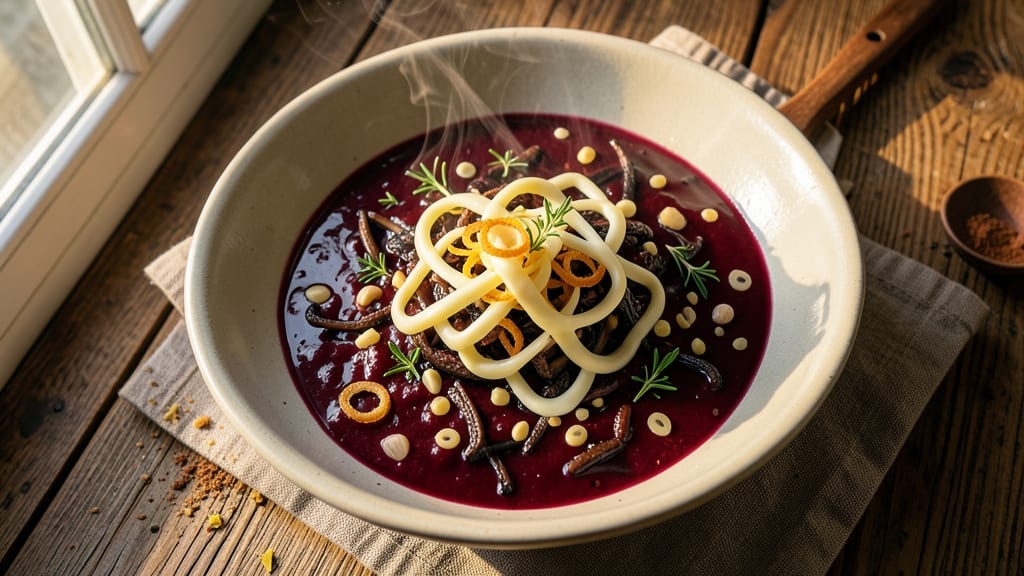
This Barolo wine sauce recipe transforms humble ingredients into a velvety, umami-rich sauce that elevates beef, mushrooms, and pasta dishes to restaurant-quality levels. The key lies in a slow reduction that caramelizes the wine's natural sugars while preserving its deep, earthy flavors—no shortcuts here.
I've perfected this technique over years of testing, ensuring every spoonful delivers that perfect balance of wine, butter, and aromatic depth.
The process begins with deglazing the pan after searing meat or mushrooms, capturing all those flavorful browned bits that form the sauce's foundation. As the Barolo wine reduces, it develops a complex, almost syrupy consistency that clings beautifully to pasta or coats tender beef.
The addition of butter at the end creates that signature silky texture while rounding out any sharpness in the wine.
What makes this sauce truly special is its versatility—it works as a luxurious pasta sauce, a rich glaze for roasted meats, or even a dipping sauce for crusty bread.
The umami notes from the wine create a depth that store-bought sauces simply can't match, while the butter adds a luxurious finish that makes every bite feel like a special occasion.
Once you've mastered this technique, you'll find yourself reaching for Barolo wine in your sauce-making repertoire time and again. The best part? It keeps beautifully in the refrigerator for up to a week, allowing you to make a big batch and enjoy it throughout the week.
Let's get started on creating this sophisticated sauce that will impress even the most discerning palates.
Ingredients for barolo sauce
Nine ingredients, one luxurious sauce that turns simple meals into restaurant-worthy dishes.
| Ingredient | Amount | Notes |
|---|---|---|
| Barolo Wine 🍷 | 2 cups | Dry, full-bodied red wine |
| Unsalted Butter 🧈 | ½ cup | Cold, cut into small cubes |
| Shallots 🧅 | 2 whole | Thinly sliced, about 0.25 cup |
| Garlic Cloves 🧄 | 3 cloves | Minced, about 1 tsp |
| Fresh Thyme Leaves 🌿 | ¼ cup | Chopped, stems removed |
| Vegetable Stock 💧 | ½ cup | Low-sodium preferred |
| Dried Porcini Mushrooms 🍄 | 1 tbsp | Crumbled, rehydrated |
| Diamond Crystal Kosher Salt 🧂 | ½ tsp | Adjust to taste |
| Freshly Ground Black Pepper 🌶️ | ¼ tsp | Freshly cracked |
The Barolo wine is the heart of this sauce, so pick a dry, full-bodied bottle—none of that sweet dessert wine nonsense. I always grab mine from the wine shop, not the grocery store, because quality matters here. The shallots and garlic should be fresh—no wilting or bruising. For the thyme, I prefer fresh stems because dried can taste bitter. The porcini mushrooms add that deep, earthy umami that makes this sauce sing, so don't skip them. If you can't find dried, fresh wild mushrooms work too—just sauté them first.
No Barolo? Cabernet Sauvignon or Merlot will work in a pinch, but it won't have the same depth. Fresh thyme? Dried at one-third the amount is fine, but it won't have that bright aroma. The vegetable stock can be swapped for white wine or even beef broth, though the flavor will shift slightly. If you're feeling fancy, add a splash of balsamic vinegar at the end for extra complexity. The butter should be cold when you add it—this is key for that silky finish. And trust me, freshly ground pepper makes all the difference.
This sauce tastes even better the next day, so make extra. Store it in an airtight container in the fridge for up to 7 days, or freeze for 3 months in ice cube trays for single servings. The butter solidifies when chilled, so let it sit at room temperature for 10 minutes before reheating. It's perfect over pasta, drizzled on steak, or even as a dip for crusty bread—versatility at its finest.
Why You'll Love This Recipe
- Here’s the secret: this sauce improves after sitting overnight. The flavors marry, and I’ve reheated it three days later with zero judgment. Bonus? It stretches thin over polenta or eggs—no waste, all flavor.
- Wine-Friendly Shortcut: I swear by this sauce because it’s the only time I actually use the Barolo I’ve been saving—no fancy decanting, just pour and simmer. The wine’s deep notes mellow into something rich without tasting like a cooking experiment.
- Butter-Kissed Depth: That first spoonful of butter melting into the shallots? It’s where the magic happens. The garlic and thyme sing off the wine’s acidity, but the butter makes it velvety—like a hug in sauce form.
- Weeknight to Dinner Party: I make this for pasta on Tuesdays, but drizzle it over grilled steak on Sundays. The same sauce works for both—just adjust the heat. (Yes, even when my in-laws are over.)
Step-by-step instructions for Barolo wine sauce
Here's how to transform bold Barolo wine into a velvety, umami-rich reduction perfect for pasta or meat.
Rehydrate and Infuse the Porcini Mushrooms
Place the 1 tablespoon dried porcini mushrooms in a small bowl and cover with ½ cup hot vegetable stock. Let them soak for 15 minutes until fully rehydrated and expanded. This step extracts their deep, earthy flavor that will become the sauce's foundation.
Strain the mushrooms through a fine-mesh sieve, pressing gently to extract every bit of liquid. Reserve both the mushrooms and the infused stock separately. The mushrooms will add texture when folded in later, while the stock provides concentrated umami. Here's the thing—don't skip this rehydration. Dried porcini alone lacks moisture to properly infuse the wine, and this step guarantees maximum flavor extraction.
Sauté Shallots and Garlic Until Translucent
Melt ½ cup cold unsalted butter in a heavy-bottomed saucepan over medium-low heat. Add the 2 whole thinly sliced shallots and cook for 5-6 minutes until completely softened and translucent. You're aiming for a gentle caramelization—not browning—so keep the heat steady and stir occasionally.
Add the 3 cloves minced garlic and 0.25 cup chopped fresh thyme leaves, cooking for another 1 minute until fragrant. The thyme should release its piney aroma while the garlic transforms from sharp to mellow. This aromatic base will form the flavor backbone of your sauce. If the shallots begin to color too quickly, reduce the heat slightly—you want them tender, not crispy.
Deglaze with Barolo Wine
Pour in the 2 cups Barolo wine, scraping up any browned bits from the bottom of the pan with a wooden spoon. This deglazing captures all the fond (flavor essence) you've built. Bring the mixture to a gentle simmer over medium-high heat, then reduce the heat to medium-low and let it cook uncovered for 10-12 minutes.
Watch closely as the wine reduces by about half, developing a rich, syrupy consistency. The alcohol will cook off, leaving behind concentrated wine flavors and a velvety texture. Here's where patience pays off—rushing this step results in a thin, watery sauce. You'll know it's ready when the sauce coats the back of a spoon and has reduced to about 1 cup in volume.
Finish with Mushrooms and Seasonings
Add the reserved rehydrated porcini mushrooms and ½ cup reserved porcini-infused stock to the reduced wine. Stir well to combine, then add the 0.5 teaspoon Diamond Crystal kosher salt and 0.25 teaspoon freshly ground black pepper. Simmer gently for 3-4 minutes until everything is thoroughly heated through.
The mushrooms will break down slightly, releasing their meaty texture into the sauce. Taste and adjust the seasoning—Barolo's natural acidity might need a touch more salt, or you might prefer to let the wine's inherent tannins shine. For an extra touch of elegance, finish with a sprinkle of fresh thyme leaves just before serving. This sauce should be rich, balanced, and ready to elevate any dish it touches.
Pro Tips For Making Barolo Sauce
- Sweat Shallots Low: I learned this the hard way—don’t rush the shallots. Cook them over medium-low heat with a pinch of salt for 8-10 minutes until they’re translucent and jammy, not browned. That slow sweat pulls out their sweetness without bitterness, which is the foundation of your sauce.
- Deglaze Aggressively: After browning garlic, immediately pour in the Barolo and scrape the pan like your life depends on it. The wine won’t release those stuck-on bits on its own—use a wooden spoon and work fast. This step makes a real difference in depth of flavor.
- Butter in Stages: Don’t dump all the butter at once. Add half first to the reduced wine mixture, whisking until emulsified, then finish with the rest. This prevents the sauce from breaking and gives you a silky texture instead of a greasy mess.
- Thyme Strain Matters: Remove thyme stems early (after 2 minutes of cooking) to avoid bitterness, but don’t skip the leaves—just strain them out at the end. Fresh thyme’s aroma fades fast, and you want that bright note in every bite, not just the first spoonful.
Perfect pairings for this barolo sauce
Pasta Pairings
This Barolo sauce is a match made in heaven with tagliatelle or fettuccine, where its rich texture clings beautifully to the noodles. I like to toss 8 ounces cooked pasta with ½ cup sauce and finish with ¼ cup grated Parmigiano-Reggiano for a restaurant-worthy dish.
For extra indulgence, add seared scallops or wild mushrooms that have been cooked in the same pan as the sauce's aromatics. 🌟
Meat Glazes
Use this sauce as a finishing glaze for beef tenderloin or braised short ribs—simply brush it on during the last 5 minutes of cooking. The wine's acidity tenderizes the meat while the butter creates a glossy finish.
I recommend 1 cup sauce per pound of meat, adjusting for thickness. For poultry lovers, try it with roasted chicken thighs, where the sauce's depth complements the meat's natural richness.
Cheese Board Elevation
Transform your cheese board with this sauce as a dipping sauce. Serve it warm alongside aged cheddar, Gorgonzola, and pecorino with crusty baguette slices or water crackers. The wine's bold flavors cut through the fat in the cheese beautifully.
I like to add a sprinkle of crispy prosciutto on top for an Italian-inspired touch that guests will rave about. ✨
Mushroom Dishes
This sauce is perfect for enhancing wild mushroom risotto or cremini mushroom pasta. Stir ½ cup sauce into your finished dish just before serving to infuse every bite with its deep umami notes.
For a vegetarian showstopper, toss it with sautéed eggplant and cherry tomatoes for a dish that feels both elegant and hearty. The sauce's richness balances the earthiness of mushrooms beautifully.
Bread Dippers
Warm the sauce slightly and serve it as a dip for garlic bread or focaccia. The contrast of the buttery bread against the wine's bold flavors is pure comfort food at its finest.
I like to add a pinch of red pepper flakes to the warm sauce for those who enjoy a little heat. For extra flair, garnish with microgreens or edible flowers before serving to elevate the presentation. 💪
Nutrition facts
Frequently asked questions
Can I substitute Barolo wine with another type of wine?
Yes, but the flavor will differ. For a similar depth, use Cabernet Sauvignon or Merlot—both have enough tannins to work. Avoid sweet wines like Port or Zinfandel, as they'll make the sauce cloying. If using a different wine, reduce it by 10-15 minutes longer to compensate for lower alcohol content.
Why does my Barolo sauce taste bitter?
Bitter flavors usually come from over-reducing the wine or using old/oxidized wine. Simmer uncovered and stir occasionally to prevent scorching. For future batches, use a fresh bottle of Barolo and reduce the wine until it's syrupy but not dark brown. A splash of vegetable stock or white wine can also balance the bitterness.
How do I make this sauce vegetarian?
Skip the meat-based deglazing and use vegetable stock instead of porcini-infused stock. Replace the mushrooms with rehydrated shiitake mushrooms or sun-dried tomatoes for extra umami. The sauce will still be rich and complex—just ensure you're using enough aromatic vegetables to build depth.
Can I make this sauce ahead of time?
This sauce actually tastes better the next day. Store it in an airtight container in the fridge for up to 7 days. When reheating, warm it gently over low heat and stir in a pat of cold butter to restore its silky texture. For longer storage, freeze in ice cube trays for single-serving portions.
What's the secret to getting that perfect velvety texture?
The key is adding cold butter at the end. As the sauce cools, the butter solidifies slightly, creating that luxurious mouthfeel. Always use unsalted butter and let it melt gradually while stirring constantly. If the sauce seems too thick after chilling, thin it with a splash of warm water or stock before reheating.