
Sauces & Condiments
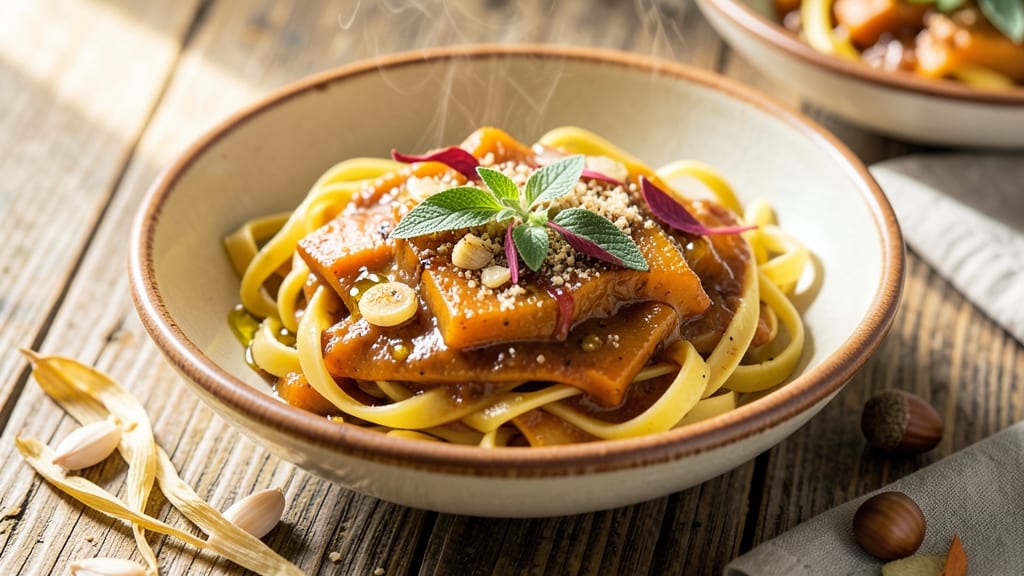
This autumnal harvest pasta sauce recipe transforms humble ingredients into a velvety, umami-rich sauce that captures the essence of fall. 🍂 Roasted butternut squash and fresh sage create deep, earthy flavors that pair perfectly with creamy textures—no shortcuts, just layered complexity built over time.
The secret lies in slow caramelization and balanced seasoning, turning simple pantry staples into something restaurant-worthy.
What sets this sauce apart is its versatility and depth—it works as a standalone dish or elevates any pasta, roasted meats, or even grilled vegetables. The roasted squash adds natural sweetness while sage and nutmeg bring warmth, creating a sauce that's both comforting and sophisticated.
With just 15 minutes of active prep and 30 minutes of simmering, you'll have a sauce that tastes like it simmered all day.
The result is a silky, aromatic sauce with pockets of caramelized squash and herbs that infuse every bite. It's rich enough to stand alone but light enough to complement delicate dishes, making it perfect for cozy autumn evenings.
The best part? It reheats beautifully and keeps well in the fridge for up to 5 days, so you can make a big batch and enjoy it all week.
Pair this sauce with butternut squash pasta, roasted chicken, or even as a dipping sauce for crusty bread. The possibilities are endless, but the technique remains simple: roast, blend, and simmer. Let's create something that tastes like fall in every spoonful.
Ingredients for autumnal harvest pasta sauce
Eleven ingredients blend autumn's finest flavors into a velvety sauce with depth and warmth.
| Ingredient | Amount | Notes |
|---|---|---|
| Butternut Squash 🎃 | 2 lbs | Cubed, skin removed for even roasting |
| Extra-Virgin Olive Oil 🫒 | ½ cup | High-quality, fruity variety preferred |
| Fresh Sage Leaves 🌿 | ½ cup | Packed, stems removed for infusion |
| Garlic Cloves 🧄 | 6 cloves | Peeled, roughly chopped for depth |
| Shallots 🧅 | 2 whole | Minced for aromatic sweetness |
| Ground Nutmeg 🌶️ | ½ tsp | Freshly grated for warm complexity |
| Vegetable Broth 💧 | 1 ½ cups | Low-sodium for balanced seasoning |
| Creamy Coconut Milk 🥥 | ½ cup | Full-fat for velvety texture |
| Dry White Wine 🍷 | ½ cup | Sauvignon Blanc or Pinot Grigio |
| Salt 🧂 | 1 ½ tsp | Diamond Crystal preferred |
| Black Pepper 🌶️ | ½ tsp | Freshly cracked for brightness |
The butternut squash is the foundation—choose a sweet, dense variety like Honey Bear for caramelization. Whole Foods or local farmers markets often carry the best quality. Roast until edges are crispy for concentrated sweetness; don't skip the skin removal unless using a food processor. Fresh sage is non-negotiable here—the dried version lacks the aromatic punch. Penzeys or your grocery's herb section will have vibrant leaves. For garlic, elephant garlic adds a milder, sweeter note if available, but regular cloves work beautifully too.
No butternut squash? Delicata or acorn squash in equal quantity delivers similar texture. Substitute coconut milk with cashew cream (soaked cashews blended with water)—both add richness without dairy. White wine unavailable? Vegetable broth with 1 tbsp lemon juice mimics acidity. The nutmeg is essential for autumnal warmth, but mace at half the amount offers a different earthy note. For shallots, yellow onion at double the quantity works in a pinch, though flavor will differ slightly. Always toast spices—blooming the nutmeg in olive oil before adding to the sauce enhances aroma exponentially.
Store the sauce in an airtight container with a thin layer of olive oil on top to preserve freshness—keeps for 5-6 days in the fridge. Freezes beautifully for up to 3 months, though texture may separate slightly upon thawing. For best results, reheat gently on low heat, stirring occasionally. The sauce thickens as it cools, so add a splash of broth if too stiff after refrigeration. Portion into ice cube trays for perfect single-use servings—ideal for topping pasta or roasted vegetables.
Why You'll Love This Recipe
- No Chopping Chaos: I roast the butternut squash cubes whole—skin on, no peeling—so the only prep is dicing shallots and mincing garlic. That’s it. (Yes, even on a Tuesday night when I’m still in my pajamas.)
- Sage-Garlic Magic: The moment those crispy sage leaves hit the hot oil, the kitchen smells like a fall bonfire. That nutty, earthy aroma? It’s the secret weapon—simple, but it makes the whole dish feel special.
- Leftovers That Shine: This sauce actually improves the next day. The squash softens into a velvety texture, and the flavors meld into something richer. I freeze half for lazy nights—just reheat and toss.
- Budget-Friendly Luxury: Butternut squash is my go-to for stretching meals without breaking the bank. A single roasted batch feeds us for days, and the olive oil and herbs add that restaurant-worthy depth without fancy ingredients.
Step-by-step instructions for roasted squash and sage pasta sauce
Transform humble ingredients into a rich, autumn-inspired sauce with deep umami layers and velvety texture.
🔥 Step 1: Roast the Butternut Squash Until Caramelized
Preheat your oven to 400°F and line a baking sheet with parchment paper. Toss the 2 lbs butternut squash with 2 tablespoons of the extra-virgin olive oil (reserve the remaining 0.3 cup for later), 0.5 tsp salt, and 0.25 tsp black pepper. Spread in a single layer, ensuring pieces don't overlap.
Roast for 30-35 minutes until the squash is tender when pierced with a fork and edges are deep golden brown. Real talk: don't skip the caramelization—this builds the sauce's sweet depth. If you notice the squash browning too quickly, tent with foil and continue roasting. Remove from oven and let cool slightly before scraping into a food processor.
🍳 Step 2: Sauté Aromatics Until Fragrant and Golden
Heat the remaining 0.3 cup extra-virgin olive oil in a large skillet over medium heat. Add the 2 minced shallots and cook for 3-4 minutes until softened and translucent. Add the 6 roughly chopped garlic cloves and 0.5 cup fresh sage leaves, cooking for another 2 minutes until the sage darkens slightly and releases its piney aroma.
Here's the thing—don't let the garlic burn. You'll know it's ready when the mixture smells intensely aromatic and the sage leaves are just beginning to crisp at the edges. Remove from heat and set aside, keeping the oil in the pan for the next step.
🥘 Step 3: Build the Sauce with Wine and Broth Reduction
Return the skillet to medium heat and add the 0.5 cup dry white wine. Scrape up any browned bits from the bottom with a wooden spoon—this captures all the flavor. Simmer for 3-4 minutes until the wine reduces by half and the alcohol cooks off.
Pour in the 1.5 cups vegetable broth and bring to a gentle simmer. Add the roasted squash mixture to the processor along with 0.5 tsp ground nutmeg and pulse until smooth. Pour this purée into the skillet and stir to combine. Simmer uncovered for 8-10 minutes until the sauce thickens and coats the back of a spoon.
🥘 Step 4: Finish with Creamy Coconut Milk for Velvety Texture
Reduce heat to low and stir in the 0.5 cup creamy coconut milk. The sauce should immediately become silky and glossy. Taste and adjust seasoning with additional salt or black pepper if needed. I usually find the sauce needs just a pinch more salt at this stage—the nutmeg and sage can be overpowering if unbalanced.
For maximum flavor development, let the sauce sit off heat for 5 minutes while you cook your pasta. The residual heat will continue to meld the ingredients. This resting period allows the nutmeg's warmth to fully infuse and the coconut milk to properly emulsify with the other components.
Pro Tips For Making Autumnal Harvest Pasta Sauce
- Char the Squash First: I learned this the hard way—roasting butternut squash whole is lazy, but charring small cubes in a screaming-hot pan with olive oil for 3-4 minutes before adding anything else* builds deeper flavor. The edges should be blackened; scrape those bits into the sauce later. (Yes, it’s messy, but your sauce will taste like it simmered all day.)
- Toast Shallots Low and Slow: Shallots caramelize best at medium-low heat, not high where they burn before softening. Slice them thin, cook them in olive oil for 8-10 minutes until golden and syrupy, then add garlic only at the very end. If they smell bitter, you’ve gone too far—pull them out and start fresh.
- Salt the Sage Like Pasta Water: Fresh sage leaves wilt into nothing if you toss them in at the end. Instead, blanch them in boiling water for 10 seconds, then shock in ice water to stop cooking. Drain, pat very dry, and salt them lightly before adding to the sauce—this keeps them crisp and aromatic, not sad and limp.
- Deglaze with a Splash of Wine: If you’re skipping alcohol, use a splash of pasta water instead, but only after the shallots and garlic have cooked down. The residual starch in the water helps emulsify the sauce, making it silkier. (I used to skip this and wondered why my sauce felt thin—turns out, it wasn’t the squash’s fault.)
Flavor customization for this dish
Sweet vs. Savory Balance
This sauce thrives on the interplay between sweet roasted squash and savory sage. For a sweeter profile, add 1 tbsp maple syrup when blending the purée, or swap ½ cup of the squash for roasted apples (peeled and diced).
For extra savory depth, stir in 1 tbsp soy sauce or 1 tsp miso paste during the final simmer—both add umami without overpowering the autumnal flavors. 🍂
Herb Variations
Swap sage for fresh thyme (use 1 tbsp leaves) or rosemary (use 1 sprig) for a Mediterranean twist. For a smoky note, add ½ tsp smoked paprika when sautéing aromatics.
I love using fresh tarragon (about 1 tbsp chopped) for a lighter, anise-like flavor that pairs beautifully with the coconut milk’s creaminess.
Protein Add-Ins
Transform this sauce into a one-pot meal by simmering in ½ lb shredded chicken or crumbled pancetta during the final 5 minutes of cooking. For a vegetarian option, fold in ½ cup cooked lentils or white beans at the end.
The protein absorbs the sauce’s richness, making it heartier for cold autumn nights.
Spice Level Boost
Add a kick with ½ tsp red pepper flakes or 1 tsp hot honey drizzled in at the end.
For a smoky heat, stir in ½ tsp chipotle powder when blending the squash purée. I recommend starting with ¼ tsp cayenne if you’re sensitive to spice—it adds warmth without overwhelming the delicate flavors.
Vegan Adaptations
Replace the creamy coconut milk with ¼ cup cashew cream (blend ¼ cup soaked cashews with ¼ cup water) for a dairy-free option. Swap white wine for dry apple cider to keep it alcohol-free. The sauce remains velvety and rich while staying entirely plant-based—perfect for vegan autumn feasts. 🌱
Texture Tweaks
For a chunkier sauce, reserve ½ cup roasted squash before blending and pulse it separately for rustic texture. For extra creaminess, stir in 2 tbsp tahini or 1 tbsp nutritional yeast during the final simmer.
The tahini adds a nutty depth that complements the sage beautifully, while nutritional yeast boosts umami without altering the sauce’s color.
Nutrition facts
Frequently asked questions
Can I make this sauce without butternut squash?
Swap butternut for delicata or acorn squash in equal amounts, or use ½ cup roasted sweet potatoes for a slightly earthier base. The key is roasting until caramelized—this builds the sauce's natural sweetness. For a creamier texture, try ½ cup roasted cauliflower blended with the squash.
How can I make this sauce dairy-free?
Replace the coconut milk with ¼ cup cashew cream (blend soaked cashews with water) or 2 tbsp tahini for richness. For extra creaminess, stir in 1 tbsp nutritional yeast—it adds umami without dairy. The sauce will still be velvety, though slightly lighter in texture.
What's the best way to reheat leftovers?
Gently reheat on low heat—never microwave directly. Stir occasionally and add a splash of broth if the sauce thickens too much. For best results, warm in a saucepan for 3-5 minutes until steaming. The sauce thickens as it cools, so it's normal to see separation—just stir vigorously to re-emulsify.
Can I use this sauce for dishes other than pasta?
This versatile sauce works beautifully as a dipping sauce for crusty bread, a glaze for roasted chicken or salmon, or even a topping for grilled vegetables. For extra richness, drizzle with balsamic reduction when serving. The nutmeg and sage flavors pair especially well with hearty autumn dishes like roasted root vegetables.
Why does my sauce taste bitter?
Bitterness usually comes from overcooked garlic or underripe squash. Next time, remove garlic when it's just golden (not brown) and ensure your squash is fully tender before blending. If the sauce tastes bitter, balance it with 1 tsp maple syrup or a pinch of salt—both help counteract bitterness while enhancing sweetness.