
Sauces & Condiments
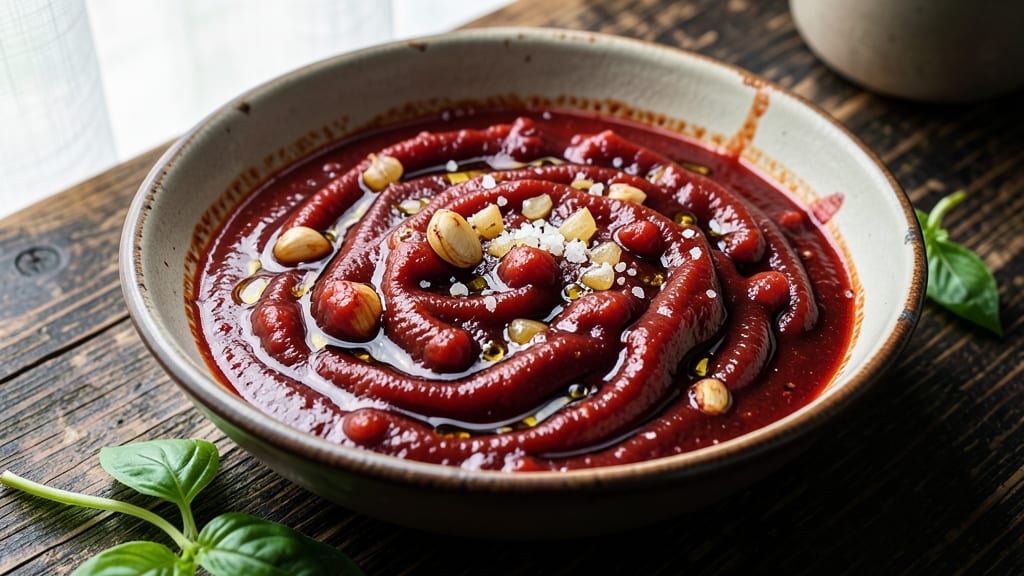
Brenda Gantt's spaghetti sauce delivers that restaurant-quality depth you crave—slow-simmered until tomatoes break down into velvety richness, then finished with fresh basil for a bright, aromatic punch.
This isn't your average jarred sauce; it's built layer by layer, starting with a rich tomato base and ending with perfectly balanced acidity and umami. The secret lies in patience—letting flavors meld over at least 2 hours (or even overnight) transforms simple ingredients into something extraordinary.
What sets this sauce apart is the technique: deglazing the pot after browning onions and garlic to capture every caramelized bit, then reducing the sauce until it's thick enough to coat a spoon.
A splash of red wine adds depth, while a blend of herbs—oregano, thyme, and basil—creates complexity that makes this sauce unforgettable. The fresh basil finish isn't just for flavor; it signals when the sauce is truly ready to shine.
This versatile sauce works equally well over al dente spaghetti, as a marinade for chicken, or even as a pizza topping. The texture is silky yet clingy, clinging to every strand of pasta while delivering layers of savory-sweet flavor.
One batch stretches for multiple meals, making it perfect for meal prep—just store it in the fridge for up to 5 days or freeze for months.
The best part? You control the intensity. Need more acidity? Add a splash of balsamic vinegar. Want it richer? Stir in a spoonful of butter at the end. This is a sauce that adapts to your taste while still delivering that restaurant-quality experience at home.
Ingredients for brenda gantt spaghetti sauce
Twelve ingredients, hours of simmering, restaurant-quality flavor in every spoonful.
| Ingredient | Amount | Notes |
|---|---|---|
| San Marzano Tomato Crushed 🍅 | 28 oz | Canned, whole tomatoes crushed by hand |
| Yellow Onion 🧅 | 1 whole | Medium size, finely diced |
| Garlic Cloves 🧄 | 4 cloves | Fresh, minced for depth |
| Red Wine 🍷 | ½ cup | Bold dry Cabernet Sauvignon |
| Extra-Virgin Olive Oil 🫒 | ½ cup | High-quality, fruity variety |
| Tomato Paste 🍅 | 2 tbsp | Squeeze tube preferred |
| Dried Oregano 🌿 | 1 tsp | Mediterranean or Italian blend |
| Fresh Thyme Sprigs 🌿 | 2 whole | Stems removed, leaves only |
| Fresh Basil Leaves 🌿 | ½ cup | Packed, torn for finishing |
| Balsamic Vinegar 🍶 | 1 tbsp | Aged 25 years minimum |
| Diamond Crystal Kosher Salt 🧂 | 1 ½ tsp | Adjust to taste |
| Freshly Ground Black Pepper 🌶️ | ½ tsp | Cracked peppercorns preferred |
| Butter 🧈 | 2 tbsp | Unsalted, for finishing |
The tomatoes are non-negotiable—San Marzano is the gold standard, but Whole Foods or Trader Joe's carry quality brands if you can't find them. Look for plump, ripe tomatoes with no dents or soft spots; those crushed-by-hand notes make all the difference. Fresh thyme and basil? Farmers markets have the best selection, but grocery store bunches work if you use them within a few days. The red wine should be bold and dry—Cabernet Sauvignon or Merlot from a trusted bottle (none of that cheap cooking wine). For the tomato paste, Trader Joe's squeeze tubes are perfect—they're shelf-stable and portion-controlled, no waste.
No San Marzano tomatoes? Crushed Roma tomatoes are your next best bet. Short on red wine? Dry sherry or even beef broth adds depth, though wine's acidity is ideal. Fresh herbs not available? Dried oregano at one-third the amount works, but nothing beats the bright finish of fresh basil. The balsamic vinegar can be swapped for red wine vinegar if you're out, though aged balsamic adds that sweet, caramelized complexity. For extra richness, stir in a spoonful of pesto at the end—just make sure it's basil-based to complement the sauce's flavors. The butter at the finish is optional but adds that velvety texture that makes this sauce truly restaurant-worthy.
This sauce tastes even better the next day as flavors meld. Store in an airtight container in the fridge for up to 5 days—it keeps beautifully. For longer storage, freeze in 1-cup portions wrapped tightly in plastic wrap; it'll last 6 months. I always make a double batch because it disappears so fast—perfect over pasta, as a marinade for chicken, or even as a pizza sauce. The key to reheating? Low and slow on the stove, stirring occasionally, until it's heated through. Never microwave—it breaks down the delicate texture.
Why You'll Love This Recipe
- Here’s what sold me: the red wine doesn’t just cook off—it lingers in every spoonful, brightening the acidity of the tomatoes and mellowing the garlic into something rich. It’s the kind of sauce where you taste the effort, but honestly? You’re barely putting any in.
- No-Fuss Simmer: I swear by this sauce because it’s basically hands-off after the initial chop. Sauté the onions and garlic in olive oil until they’re sweet and golden—no peeling, no fancy techniques—just let the wine and crushed San Marzanos do their magic while you stir once in a while. That’s it.
- Wine-Infused Depth: Here’s what sold me: the red wine doesn’t just cook off—it lingers in every spoonful, brightening the acidity of the tomatoes and mellowing the garlic into something rich. It’s the kind of sauce where you taste the effort, but honestly? You’re barely putting any in.
- Weeknight to Potluck: Between us, this sauce works for everything. Toss it with pasta for a 20-minute dinner, slather it on grilled chicken for Sunday supper, or take it to a holiday gathering—it’s the crowd-pleaser that doesn’t require a side dish. (Yes, even on a Tuesday night.)
Step-by-step instructions for Brenda Gantt's slow-simmered spaghetti sauce
This is where the magic happens—where simple ingredients transform into restaurant-quality sauce.
Build the Flavor Base with Olive Oil and Aromatics
Heat the 0.5 cup extra-virgin olive oil in a heavy-bottomed Dutch oven over medium-low heat. Add the 1 whole finely diced yellow onion and cook for 8-10 minutes until completely softened and translucent—no color, just sweet, caramelizing aromatics. This slow cook time prevents burning while developing deep flavor.
Add the 4 minced garlic cloves and cook for 30 seconds until fragrant but not browned. Here's the thing—garlic burns fast, so keep your eye on the pot. The moment you see it darken, remove the pan from heat for 30 seconds to let it cool slightly before continuing. This step forms the aromatic foundation that carries through the entire sauce.
Develop Depth with Wine and Tomato Paste
Pour in the 0.5 cup bold dry red wine and stir vigorously to deglaze the pan, scraping up all those flavorful browned bits from the bottom. Let it simmer for 3-4 minutes until reduced by half—this concentrates the wine's depth and removes the alcohol's harshness. You'll smell that rich, fruity intensity building.
Lower the heat to medium-low and add the 2 tbsp tomato paste, stirring constantly for 1-2 minutes until completely dissolved. The paste will darken slightly as it cooks, creating a rich, almost jam-like consistency that forms the sauce's backbone. This is where the umami intensity begins—don't skip this step or rush it.
Incorporate Tomatoes and Seasonings
Add the 28 oz crushed San Marzano tomatoes, the 1 tsp dried oregano, 1.5 tsp kosher salt, and 0.5 tsp freshly ground black pepper. Stir well to combine, then add the 2 fresh thyme sprigs (stems removed). Bring to a gentle simmer, then reduce heat to low—this is where patience pays off. Let it bubble softly for 45-60 minutes, partially covered, stirring occasionally.
Here's what you're looking for: the sauce should reduce noticeably, the tomatoes should break down into a silky consistency, and you'll develop a beautiful mahogany color. If the sauce gets too thick, add 2-3 tablespoons of water to maintain proper texture. The long simmer develops complex flavors that canned sauces can't match.
Finish with Balsamic and Fresh Basil
After the initial simmer, stir in the 1 tbsp aged balsamic vinegar and continue cooking for another 15-20 minutes until the sauce thickens to your desired consistency. The balsamic adds a subtle sweetness that balances the acidity and deepens the sauce's complexity. Taste and adjust seasoning—you might need a pinch more salt or pepper.
Remove from heat and stir in the 0.5 cup torn fresh basil leaves and 2 tbsp butter, swirling gently to blend. The butter adds richness while the basil infuses fresh, bright flavor. Let the sauce sit off heat for 10 minutes to allow the basil to release its aroma. This final step transforms good sauce into exceptional sauce.
Serve with Perfect Al Dente Pasta
Cook 8 oz spaghetti in well-salted boiling water until 1 minute before al dente (it will finish cooking in the sauce). Reserve 1 cup pasta water, then drain. Toss the hot pasta with the warm sauce, adding reserved pasta water as needed to create a silky coating. The sauce should cling beautifully to each strand without being watery.
Serve immediately with additional fresh basil leaves sprinkled on top. Each bite should deliver layers of flavor: the rich tomato base, wine's depth, balsamic's sweetness, and basil's bright finish. This sauce tastes even better the next day when flavors meld completely—just reheat gently with a splash of water.
Pro Tips For Making Brenda Gantt Spaghetti Sauce
- Sweat, Don’t Burn Onions: Brenda’s recipe relies on onions that actually caramelize, not just brown. Take your time—low and slow over medium heat, stirring occasionally, until they’re golden and syrupy (about 10-12 minutes). I used to rush this, and the sauce always tasted flat. Patience here makes the difference.
- Deglaze with Wine Immediately: As soon as you remove the onions, pour in that red wine right away—don’t let them cool. The heat helps the wine reduce faster and pulls out deeper flavor. Skip this, and you’re left with a sauce that tastes more like boiled wine than anything else.
- Crush Tomatoes by Hand: San Marzanos are worth the effort—don’t just dump canned crushed tomatoes straight in. Roughly crush them with your fingers or a potato masher first. This releases more juice and keeps the texture chunky, just like Brenda’s version. (Yes, it’s messy. No, you won’t regret it.)
- Simmer Low and Long: This sauce needs time—at least 45 minutes of gentle simmering to let the flavors meld. If you crank the heat, it’ll break down too fast and taste thin. Cover it loosely and let it bubble quietly; the acidity will mellow out, and the wine will integrate properly. (Your future self will notice the difference.)
Pro cooking tips for brenda gantt spaghetti sauce
Deglaze Like a Pro
That red wine isn't just for flavor—it's for deglazing the pot after cooking the onions and garlic. Use a wooden spoon to scrape up every last browned bit from the bottom (those are flavor bombs!).
Let the wine reduce by half before adding tomatoes—this concentrates the flavor and removes harsh alcohol notes. I like to use a bold Cabernet Sauvignon because its tannins add depth that cheap cooking wine can't match. 🍷
Tomato Paste Magic
Don't skip the tomato paste—this is where the umami really builds. Spread it evenly in the pot and cook it for 1-2 minutes until it darkens slightly. This creates a rich, almost jam-like consistency that thickens the sauce beautifully.
If you're short on time, you can substitute with 2 extra tablespoons of crushed tomatoes, but the paste gives that professional depth. 🍅
Low and Slow Wins
Patience is key here—simmer the sauce on low heat for at least 1 hour (2 hours is even better). This allows the tomatoes to break down completely and develop complex flavors. If the sauce gets too thick, add 2-3 tablespoons of water or pasta water to maintain the perfect consistency.
I always use a heavy-bottomed Dutch oven to prevent scorching and ensure even heat distribution. ⏳
Balsamic Balance
The balsamic vinegar is your secret weapon for balancing acidity. Add it 15-20 minutes before the sauce is done to let its sweet, caramelized notes meld into the sauce. If you're feeling fancy, use aged balsamic vinegar (25 years or older)—it adds a luxurious depth that regular balsamic can't match.
Taste as you go and adjust seasoning with kosher salt or black pepper as needed. 🍶
Fresh Basil Finish
Adding the fresh basil at the very end is non-negotiable—it infuses the sauce with bright, aromatic flavor. Tear the leaves (don't chop them) and stir them in along with the butter for a velvety finish.
Let the sauce sit off heat for 10 minutes before serving to allow the basil to release its full aroma. This is what separates homemade sauce from store-bought. 🌿
Reheat with Care
Never microwave this sauce—it ruins the delicate texture. Instead, reheat it on the stovetop over low heat, stirring occasionally, until it's warmed through. If it looks too thick, add a splash of water or pasta water to loosen it up.
The sauce actually tastes better the next day as the flavors meld even more, so make a double batch and save the leftovers for later. 🔥
Nutrition facts
Frequently asked questions
Can I make this sauce in a slow cooker?
Transfer all ingredients (except fresh basil and butter) to your slow cooker and cook on low for 6-8 hours or high for 3-4 hours. The slow cooker's gentle heat helps develop deep flavors without risk of burning. Just stir occasionally and add water if it gets too thick. Finish with fresh basil and butter as directed.
How do I adjust the thickness of the sauce?
If your sauce is too thick, add 2-3 tablespoons of water or pasta water and simmer for another 10-15 minutes. For a thicker sauce, simmer uncovered for 10-15 minutes longer to reduce. The ideal consistency should coat the back of a spoon but still be pourable. Remember, the sauce will thicken further as it cools.
What if I don't have San Marzano tomatoes?
Don't worry—Roma tomatoes or crushed vine-ripened tomatoes work beautifully. Look for brands with minimal added water and no artificial ingredients. If using whole tomatoes, crush them by hand for better texture. The key is using ripe, flavorful tomatoes—never watery canned varieties. You'll still get great results!
Can I make this sauce meatless but still flavorful?
Yes! For extra depth, add 1 tbsp soy sauce or 1 tsp smoked paprika when adding the tomatoes. You can also stir in 1 cup of vegetable broth instead of water to maintain richness. The wine and tomato paste already provide plenty of umami, so no meat is needed for a satisfying flavor.
How do I know when the sauce is done?
The sauce is ready when it develops a rich mahogany color, coats the back of a spoon, and has a deep, complex aroma. Taste it—it should be balanced between sweet, acidic, and savory notes. The fresh basil should smell vibrant, and the sauce should be slightly reduced from its starting volume. If it's still too thin after simmering, cook it uncovered for another 10-15 minutes.