
Sauces & Condiments
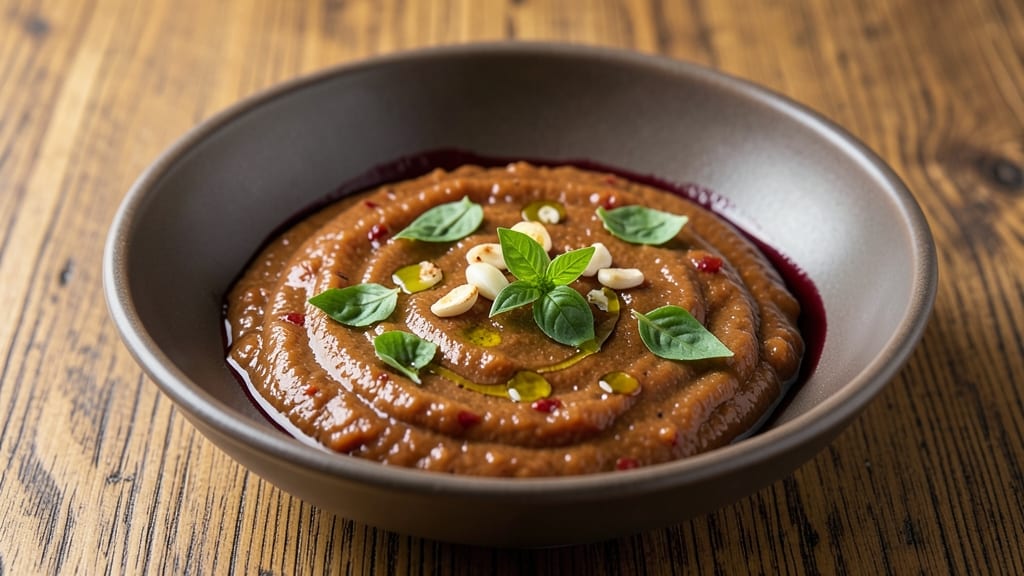
Carrabba's Ricardo sauce delivers that signature Italian-American depth you crave—slow-simmered tomatoes, rich garlic, and a bright basil finish that elevates every pasta dish. This isn't just a sauce; it's the secret weapon behind Carrabba's legendary flavors, developed through careful balancing of acidity, sweetness, and umami.
The key lies in the technique: reducing tomato paste and wine into a velvety base before finishing with fresh basil, not dried.
What sets this sauce apart is its layered complexity—start with a deep, caramelized tomato foundation, then build with aromatic garlic and a splash of red wine for acidity. The fresh basil at the end provides that signature brightness, cutting through the richness while maintaining authenticity.
Unlike many ricardo sauce imitations, this version captures the restaurant's signature texture: thick enough to cling to pasta but still silky-smooth.
You'll end up with a sauce that's restaurant-quality without the fuss—no blenders, no complicated techniques, just a heavy-bottomed saucepan and about 45 minutes of hands-off simmering.
The aroma alone will transform your kitchen into an Italian trattoria, while the flavor delivers that perfect balance of sweet, tangy, and herby notes that define Carrabba's style.
Use it on fettuccine Alfredo, chicken Parmesan, or even as a marinade for grilled meats. The sauce keeps well in the fridge for up to a week, so make a double batch—once you taste this, you'll never go back to store-bought. Let's create it step by step.
Ingredients for carrabba's ricardo sauce
Nine ingredients transform into Carrabba's iconic sauce—rich, balanced, and bursting with fresh basil.
| Ingredient | Amount | Notes |
|---|---|---|
| Extra-Virgin Olive Oil 🫒 | ½ cup | High-quality for richness |
| San Marzano Crushed Tomatoes 🍅 | 28 oz | Canned, no salt added |
| Tomato Paste 🍅 | 2 tbsp | Squeeze tube preferred |
| Garlic Cloves 🧄 | 4 cloves | Fresh, minced finely |
| Red Wine 🍷 | ½ cup | Bold, dry variety |
| Fresh Basil Leaves 🌿 | ½ cup | Packed, stems removed |
| Granulated Sugar 🍚 | 1 tbsp | Balances acidity |
| Kosher Salt 🧂 | 1 tsp | Diamond Crystal preferred |
| Black Peppercorns 🌶️ | ½ tsp | Freshly cracked |
| Balsamic Vinegar 🍶 | 1 tbsp | For depth of flavor |
The tomatoes are non-negotiable here. San Marzano is the gold standard—sweet, meaty, and free from watery fillers. Grab a 28-ounce can from Trader Joe's or Whole Foods if you want to splurge, but any high-quality canned tomatoes work. The tomato paste? Squeeze tubes are your friend—they last months and eliminate waste. Fresh garlic is essential; pre-minced loses flavor fast. Costco sells garlic in bulk if you're making this often, but a single head works fine for a batch. Red wine should be bold and dry—Cabernet Sauvignon or Merlot from the grocery store wine section does the trick.
No red wine? Substitute with beef broth plus a splash of balsamic—it mimics the acidity without alcohol. Fresh basil is ideal, but dried at one-third the amount works in a pinch (though it won't have that signature brightness). Running low on balsamic? Apple cider vinegar adds tang without the sweetness. The sugar balances the acidity—don't skip it, but adjust to taste if your tomatoes are particularly tart. For the peppercorns, a quick crack with a mortar and pestle releases more flavor than pre-ground powder. Penzeys sells whole peppercorns in bulk if you're a frequent user.
This sauce tastes even better the next day as flavors meld. Store in an airtight container in the fridge for up to 1 week, or freeze for 3 months in ice cube trays for single-use portions. Double the batch—it disappears fast. The aroma alone will have your kitchen smelling like an Italian trattoria, and the texture? Thick enough to cling to pasta without being gluey. Trust me, the effort is worth every spoonful.
Why You'll Love This Recipe
- Five-Ingredient Magic: I swear by this combo—olive oil, San Marzano tomatoes, a splash of wine, and garlic. That’s it. No fancy gadgets, no stress. Just let the wine reduce and the tomatoes simmer until it’s that rich, velvety sauce you crave.
- Wine-Kissed Depth: The red wine isn’t just flavor—it’s the soul of this sauce. That deep, slightly tangy note from the San Marzano tomatoes? It’s like Carrabba’s version but better because you’re the one controlling the heat and the simmer. Honestly, the first time I tasted it, I reached for the bottle again before the pan was even off the stove.
- Pasta Party Ready: Slap this on spaghetti for a weeknight, drizzle it over grilled chicken for a fancy-ish dinner, or toss it with shrimp—it’s your go-to for anything. I’ve even used it as a marinade for steak. (Yes, even on a Tuesday night.)
- Leftovers That Lie: Make a double batch and freeze half. Thaw it later for a quick sauce that still tastes homemade, not reheated. Between us, I’ve pulled this from the freezer at 6 p.m. on a Friday and had dinner on the table in 15 minutes. That’s not a flex—it’s a lifesaver.
Step-by-step instructions for Carrabba's Ricardo sauce
Here's how to build that signature Carrabba's flavor—deep, balanced, and finished with fresh basil.
Sauté Aromatics in Olive Oil
Heat the 0.5 cup extra-virgin olive oil in a heavy-bottomed saucepan over medium heat until shimmering but not smoking. Add the 2 tablespoons tomato paste and stir constantly for 2-3 minutes until it deepens in color to a rich, caramelized brown. This step develops the sauce's foundational richness and prevents a raw tomato taste.
Next, add the 4 minced garlic cloves and cook for 30 seconds until fragrant but not browned. The garlic should perfume the oil without burning—this ensures you get sweet, aromatic notes rather than bitter overtones. If the garlic starts to color too quickly, reduce the heat slightly. Here's the thing—garlic burns faster than you think, and once it's brown, it turns bitter.
Deglaze with Red Wine
Pour in the 0.5 cup red wine and scrape up any browned bits from the bottom of the pan with a wooden spoon. This deglazing step captures all the concentrated flavors you've built so far. Let the wine simmer for 3-4 minutes until it reduces by about half and the alcohol aroma dissipates. You'll see the liquid transform from a bright ruby color to a deeper, more concentrated hue—this is your signal that the alcohol has cooked off.
I always use a bold, dry red wine for this sauce—something like Cabernet Sauvignon or Merlot. The tannins in the wine help balance the acidity of the tomatoes later. If you're using a particularly sweet wine, you might want to add an extra ½ teaspoon of sugar to maintain the proper balance in the finished sauce.
Build the Tomato Base
Add the 28 ounces San Marzano crushed tomatoes, 1 tablespoon granulated sugar, 1 teaspoon kosher salt, and 0.5 teaspoon cracked black peppercorns. Stir well to combine, then bring the mixture to a gentle simmer over medium-low heat. The sauce should bubble softly but not vigorously—this ensures even cooking and prevents scorching.
Let the sauce simmer uncovered for 25-30 minutes, stirring occasionally. You're looking for a sauce that thickens noticeably and develops a glossy sheen. The sugar helps balance the natural acidity of the tomatoes, while the salt and pepper enhance the overall flavor profile. If the sauce starts to look too thick, add 2-3 tablespoons of water to maintain the proper consistency.
Finish with Balsamic and Fresh Basil
After the sauce has thickened, stir in the 1 tablespoon balsamic vinegar. This adds a subtle depth of flavor and a touch of sweetness that complements the tomatoes beautifully. Simmer for another 2-3 minutes to allow the balsamic to integrate fully into the sauce. You'll notice the aroma become more complex and inviting—this is the moment that matters.
Remove the pan from heat and stir in the 0.5 cup fresh basil leaves. Let the sauce sit off the heat for 5 minutes to allow the basil to infuse its bright, fresh flavor. The basil should wilt slightly but still retain some of its vibrant green color. If the sauce is too thick for your liking, you can thin it with a splash of water or pasta water to achieve a silky, velvety consistency.
Rest and Serve
Transfer the sauce to a bowl and let it rest at room temperature for 10-15 minutes. This resting period allows the flavors to meld and develop even further. The sauce will continue to thicken slightly as it cools, so don't be alarmed if it seems a bit looser right after you take it off the heat.
Serve the Ricardo sauce immediately over your favorite pasta or use it as a marinade for grilled meats. The sauce should be rich, slightly sweet, and deeply aromatic with bright basil notes. Each bite should deliver a perfect balance of acidity, sweetness, and umami—just like the sauce you'd find at Carrabba's. Real talk: this sauce is even better the next day, so make extra if you can—it reheats beautifully and tastes even more complex after resting overnight.
Pro Tips For Making Carrabba'S Ricardo Sauce
- Bloom the Garlic Slow: After burning three batches of sauce, I finally learned to add the minced garlic after the tomatoes have simmered for 10 minutes—not at the start. The wine and paste will mellow the garlic’s bite, but rushing it turns your sauce bitter. Let it sweat gently in the oil for 30 seconds max, or walk away and come back.
- Deglaze with Patience: That red wine won’t release all its flavor if you scrape too aggressively. After pouring, let it bubble for 2 minutes before stirring—this loosens the fond at the bottom. Then scrape with a wooden spoon, holding it at a 45-degree angle to catch every last drop. (Yes, even if you’re impatient like me.)
- Crush Tomatoes by Hand: Skip the blender for San Marzano tomatoes—use your fingers. The slight resistance breaks seeds and skins just enough to release natural sweetness without turning the sauce gritty. Drain them first if they’re watery, but don’t rinse; the juice is where the depth lives.
- Simmer, Don’t Boil: This sauce needs 45–60 minutes of low, steady simmering—not a rolling boil. If it’s too aggressive, the wine’s alcohol evaporates too fast, leaving a flat, one-dimensional flavor. Cover the pot loosely and adjust heat so bubbles break gently, like a lazy Sunday morning. (Your future self will notice.)
Storing and reheating your leftovers
Fridge Storage
Let your Ricardo sauce cool to room temperature before transferring it to an airtight glass container—I love using Pyrex with a tight-sealing lid. Store it in the fridge for up to 1 week, where the flavors will deepen and meld beautifully.
The sauce actually tastes better after resting overnight, so plan ahead if you're making this for a special meal. Just give it a quick stir before reheating to redistribute any settled basil. 💛
Freezer Prep
For long-term storage, portion the sauce into 1-cup ice cube trays—this makes it perfect for single-use portions later. Once frozen solid, transfer the cubes to a ziplock freezer bag and flatten to save space.
This sauce keeps for 3 months in the freezer without losing its vibrant flavor or texture. When you're ready to use it, thaw overnight in the fridge or quickly in a bowl of warm water. 🍃
Reheating Methods
For the best texture, reheat your sauce on the stovetop over low heat with a splash of pasta water or water to loosen it up. Stir frequently to prevent scorching, and heat just until warmed through—about 5-7 minutes.
Avoid boiling, as this can break down the delicate basil flavor. If you're short on time, the microwave works in a pinch: heat in 30-second intervals, stirring between each, until fully warmed. 🔥
Texture Adjustments
If your refrigerated sauce has thickened too much, thin it with 1-2 tablespoons of warm water or pasta water while reheating. For freezer-thawed sauce, add 1 tablespoon at a time until you reach your desired consistency.
The goal is a silky, velvety texture that clings beautifully to pasta or meat. Never add cold water directly to hot sauce—this can cause the basil to separate or the sauce to curdle. 💫
Sauce Longevity
This sauce's flavor actually improves over time, so don't hesitate to make a big batch. The tomato paste and wine base develop deeper complexity with each day, while the fresh basil maintains its brightness surprisingly well when stored properly.
I've had this sauce last 10 days in the fridge with no noticeable flavor degradation—just stir well before using. The secret is keeping it fully submerged in its own juices to prevent oxidation. ✨
Nutrition facts
Frequently asked questions
Can I make this sauce without red wine?
The red wine adds depth and acidity that balances the sweetness, but you can substitute ½ cup beef broth plus 1 extra tablespoon balsamic vinegar for a similar effect. For extra umami, add ½ teaspoon soy sauce to the broth. The sauce will still taste great—just slightly less complex.
Why does Carrabba's sauce taste sweeter than homemade versions?
Restaurant versions often use San Marzano tomatoes (naturally sweeter) and a longer simmering time to concentrate flavors. The 1 tablespoon sugar in this recipe mimics that sweetness, while the wine and balsamic add acidity to balance it. If your tomatoes are very tart, add an extra ½ teaspoon sugar during simmering.
Can I make this sauce in a slow cooker?
Yes! Combine all ingredients except fresh basil in a slow cooker on low heat for 4-5 hours, stirring occasionally. Finish with basil off the heat. The texture will be slightly thinner, so reduce the tomatoes to 24 ounces and simmer uncovered for the last 30 minutes to thicken.
What's the best pasta to pair with this sauce?
Carrabba's signature dishes use fettuccine or penne, but this sauce works beautifully with linguine or rigatoni too. For extra richness, toss with grilled chicken or shrimp. The sauce's velvety texture clings perfectly to wide noodles—just reserve ½ cup pasta water to adjust consistency if needed.
Why did my sauce turn bitter?
Bitterness usually comes from overcooking the garlic or letting the tomatoes reduce too long. Keep garlic light golden (not brown) and simmer tomatoes for 25-30 minutes max. If it's already bitter, stir in ½ teaspoon sugar or a splash of lemon juice to balance. Fresh basil at the end also helps brighten the flavor.