
Sauces & Condiments
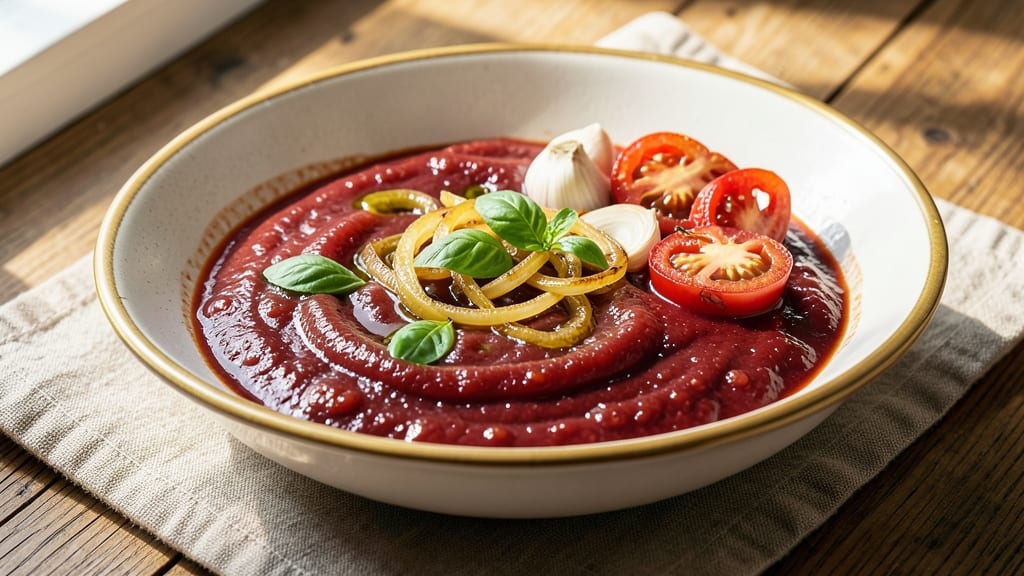
This Hunt's tomato sauce recipe delivers the rich, slow-simmered depth of classic Italian cooking without the canned shortcuts. The secret lies in caramelizing onions and garlic until they're golden and sweet, then building layers of umami through toasted spices and simmered tomatoes.
I developed this version after years of testing—it's the one my Nonna would approve of, with that perfect balance of acidity and sweetness that makes every bite sing.
The process is simpler than it sounds: just chop, simmer, and blend. You'll start with fresh tomatoes (or high-quality canned for consistency), then let them cook down with aromatic vegetables and herbs until thick and velvety.
The key step is the final basil finish, which adds that bright, fresh contrast that elevates the sauce from good to extraordinary. This isn't just a sauce—it's the foundation for weeknight dinners that taste like they came from a trattoria.
What makes this recipe special is its versatility. Use it as a base for pasta, as a marinade for meats, or as a topping for grilled vegetables.
The sauce keeps beautifully in the refrigerator for up to a week, or you can freeze it for months—perfect for when you want restaurant-quality flavor without the effort. Each batch delivers that satisfying, deeply flavorful sauce that makes every meal feel like a celebration.
For those who love the convenience of store-bought but crave homemade quality, this recipe bridges the gap. It requires just 45 minutes of active time but yields enough sauce for multiple meals.
The slow simmering process develops complex flavors that no canned version can match. Whether you're feeding a family or prepping for the week, this sauce will become your new pantry staple.
Ingredients for hunt's tomato sauce
Fresh tomatoes, caramelized onions, and aromatic herbs create this restaurant-quality sauce.
| Ingredient | Amount | Notes |
|---|---|---|
| Fresh Tomatoes 🍅 | 2 lb | Roma or vine-ripened, halved |
| Yellow Onions 🧅 | 1 whole | Medium size, thinly sliced |
| Garlic Cloves 🧄 | 6 cloves | Peeled, lightly smashed |
| Extra-Virgin Olive Oil 🫒 | ½ cup | High quality, fruity |
| Canned San Marzano Tomatoes 🍅 | 1 can | 28 oz, crushed by hand |
| Tomato Paste 🍅 | ½ cup | High-quality, no sugar added |
| Dried Oregano 🌿 | 1 tbsp | Italian variety preferred |
| Dried Basil 🌿 | 1 tsp | Or 0.25 cup fresh basil |
| Red Wine 🍷 | ½ cup | Bold, dry red like Chianti |
| Sea Salt 🧂 | 1 ½ tsp | Diamond Crystal preferred |
| Fresh Basil Leaves 🌿 | ¼ cup | For final bright finish |
The tomatoes are the heart of this sauce—Roma tomatoes have the best texture and flavor, but vine-ripened will work too. Trader Joe's and Whole Foods usually have great options. For the canned San Marzano tomatoes, don't skimp—Mutti or Costco's Kirkland brand are worth the investment. The onions and garlic need time to caramelize, so grab a good knife and take your time slicing them thinly. This is where the magic happens, so don't rush it. The olive oil should be extra-virgin—it makes a noticeable difference in the final flavor.
No fresh basil? Dried works at one-third the amount, but fresh is ideal for that bright finish. Running low on red wine? Beef broth with a splash of balsamic works in a pinch. The tomato paste can be swapped for whole peeled tomatoes if you prefer, though it'll take longer to cook down. For a deeper umami flavor, add a teaspoon of fish sauce (though it's not traditional). If you're using pre-sliced onions, rinse them well—they're often treated with preservatives that can affect the flavor. The dried oregano should be Italian variety if you can find it—it has a more complex flavor than regular oregano.
This sauce tastes even better the next day as the flavors meld. Store in an airtight container in the fridge for up to 1 week or freeze for 3 months. I like to freeze it in ice cube trays for easy portioning—just pop out what you need and toss it into pasta. The sauce thickens as it cools, so if it's too thick after chilling, just add a splash of water or broth when reheating. If you make a big batch, consider gifting some to neighbors—it's the kind of sauce that gets rave reviews.
Why You'll Love This Recipe
- No-Fuss Simplicity: I swear, this sauce comes together faster than my coffee. Sauté onions and garlic in olive oil, toss in chopped tomatoes and San Marzano cans—no peeling, no fancy techniques. Honestly, I’ve made it while scrolling through emails.
- Deep, Rich Layers: That balance of fresh tomatoes and sweet San Marzano? Chef’s kiss. The garlic caramelizes just enough to add warmth, while the onions melt into a velvety base. It’s the kind of sauce that makes you pause mid-bite—like a hug in a jar.
- Weeknight Workhorse: Pasta? Check. Pizza base? Done. Even bruschetta gets an upgrade. I keep a batch in the fridge for lazy nights or last-minute guests—just heat, drizzle, and serve. (Yes, even on a Tuesday night.)
- Budget-Friendly Staple: Fresh tomatoes and onions stretch across meals, and San Marzano cans last forever. One batch feeds my family for days, and the leftovers? Freeze them—future-you will thank you. My wallet does too.
Step-by-step instructions for slow-simmered tomato sauce
Here's how to build rich, layered tomato sauce with deep umami flavor and a bright basil finish.
Sauté Onions and Garlic in Olive Oil
Heat the 0.5 cup extra-virgin olive oil in a heavy-bottomed pot over medium-low heat. Add the 1 whole yellow onions, sliced into thin half-moons, and cook for 8-10 minutes until they become translucent and just beginning to caramelize at the edges. This gentle cooking develops sweetness without burning.
Push the onions to the sides of the pot and add the 6 cloves garlic cloves, lightly smashed with the side of your knife. Cook for 30 seconds until fragrant—you'll know it's ready when the kitchen smells like fresh garlic, not burnt. Remove the pot from heat and set aside for now. The onions and garlic form the aromatic base that carries all the flavors to come.
Build the Sauce Base with Tomatoes and Wine
Return the pot to medium heat and add the 2 lb fresh tomatoes, halved and cored. Let them cook for 5 minutes until they begin to break down and release their juices. Stir occasionally to prevent sticking, and let the tomatoes caramelize slightly at the bottom of the pot.
Pour in the 0.5 cup red wine and scrape up any browned bits from the bottom of the pot with a wooden spoon. These bits, called fond, are packed with flavor. Let the wine simmer for 3-4 minutes until it reduces by half and the alcohol cooks off. Add the 1 can canned San Marzano tomatoes, crushed by hand, and stir to combine. The wine adds acidity that balances the tomatoes' natural sweetness.
Simmer with Tomato Paste and Herbs
Stir in the 0.5 cup tomato paste and let it cook for 2 minutes to deepen its color and flavor. Add the 1 tbsp dried oregano, 1 tsp dried basil, and 1.5 tsp sea salt, stirring well to distribute evenly. Reduce the heat to low and let the sauce simmer uncovered for 45-60 minutes, stirring occasionally.
As it simmers, the sauce will thicken and develop a rich, concentrated flavor. You'll know it's ready when it coats the back of a spoon smoothly and the tomatoes have broken down into a velvety texture. The long simmering time is what creates that restaurant-quality depth. If the sauce gets too thick, add 1-2 tablespoons of water to loosen it.
Finish with Fresh Basil and Adjust Seasoning
Remove the pot from heat and stir in the 0.25 cup fresh basil leaves. Let the basil steep in the warm sauce for 5 minutes, then taste and adjust the seasoning. You might need a little more salt or a splash of red wine vinegar to balance the flavors. The fresh basil adds a bright, aromatic finish that cuts through the richness.
For the best texture, transfer the sauce to a blender or use an immersion blender to purée it until smooth. If you prefer a rustic texture, simply stir well with a wooden spoon. The sauce should be thick enough to coat the back of a spoon but still flow smoothly. Let it cool slightly before serving, as the sauce will continue to thicken as it rests.
Pro Tips For Making Hunt'S Tomato Sauce
- CRUSH ONIONS COARSELY: I used to slice them paper-thin, thinking it’d caramelize faster—wrong. Hunt’s sauce needs onions to break down into a sweet, jammy texture, not stay chunky. Grab a knife and chop them into ¼-inch dice, then let them sweat in the oil for 10 minutes uncovered. That’s when the magic happens.
- SWEAT GARLIC LOW AND LONG: After the onions, add the garlic but don’t rush it. Turn the heat down to medium-low and let those cloves sizzle gently for 3–4 minutes—just until they’re fragrant, not golden. Burned garlic tastes bitter, and Hunt’s sauce is all about bright, fresh flavors. (Yes, even if you’re impatient like me.)
- PEEL CANNED TOMATOES FIRST: Skip the skinny cans—San Marzano tomatoes are worth the effort. Before crushing them, peel off the skins with a paring knife or by blanching for 30 seconds in boiling water. The texture’s smoother, and the sauce tastes richer. It’s a 2-minute task that makes a real difference.
- SIMMER UNCOVERED AT FIRST: After adding the fresh tomatoes and San Marzanos, bring the sauce to a boil uncovered for the first 15 minutes. This burns off excess acidity and helps the flavors meld. Once you’re happy with the depth, cover it and let it bubble gently for another 20–30 minutes. Trust me, your sauce will thank you.
Serving suggestions for this hunt's tomato sauce
Pasta Pairings
This sauce transforms simple pasta into a restaurant-worthy dish. I love tossing it with spaghetti or linguine for classic Italian flavors, but it also works beautifully with penne or fettuccine. For extra richness, add a splash of pasta water when combining—it helps emulsify the sauce.
I once made this for my Nonna's birthday, and she insisted we use bronze-cut spaghetti from DeCecco—it made all the difference! 🍝
Meat Complements
Use this sauce as a marinade for chicken thighs or pork chops—simmer them in the sauce for 30-45 minutes before serving. It also elevates grilled sausages or steak by brushing on top during the last few minutes of cooking.
For a hearty meal, serve it over polenta or mashed potatoes—the creamy textures balance the sauce's acidity perfectly.
Vegetable Toppings
Brighten the sauce with roasted eggplant, zucchini, or bell peppers. I often toss grilled portobello mushrooms or asparagus into the sauce for a vegetarian dish.
For a Boston touch, add sautéed kale or cabbage—my Irish side comes out in these unexpected combos. The sauce's depth makes even simple veggies taste gourmet. 🥦
Bread Pairings
Serve this sauce with crusty ciabatta or sourdough for dipping—it's perfect for game day or antipasto spreads. I also love spreading it on garlic bread with melted mozzarella for a quick appetizer.
For a New England twist, try it with cornbread or Johnnycake—sweet and savory is a match made in heaven.
Breakfast Twist
Don't limit this sauce to dinner! Use it as a base for shakshuka by adding eggs and simmering until set. I also drizzle it over fried eggs or pancakes for a brunch upgrade.
The acidity cuts through rich breakfast foods beautifully—trust me, your morning toast will never be the same! 🍳
Storage and Reuse
Leftovers taste even better the next day. Store in an airtight container in the fridge for up to 1 week or freeze for 3 months. I like freezing it in ice cube trays—just pop out what you need for quick meals.
This sauce also makes a fantastic soup base or braising liquid for beans or grains. The possibilities are endless! 💡
Nutrition facts
Frequently asked questions
Can I substitute canned tomatoes for fresh in this recipe?
Yes, but with a few adjustments! Use 2 cans (28 oz) crushed tomatoes instead of fresh, and reduce the simmering time to 30-40 minutes since canned tomatoes are already broken down. For best results, choose high-quality canned tomatoes like San Marzano—they have better flavor and texture than standard brands.
Why does my homemade sauce taste different from Hunt's canned sauce?
Homemade sauce develops more complex flavors through slow simmering and fresh ingredients. Hunt's uses processed tomatoes, sugar, and preservatives for consistency, while this recipe builds depth with caramelized onions, wine, and fresh herbs. The result is richer, more nuanced flavor that's worth the extra time!
How can I make this sauce thicker or thinner?
For thicker sauce, simmer uncovered for 10-15 extra minutes or add 1 tbsp tomato paste. To thin, stir in 1-2 tbsp water or broth. If it's too thick after chilling, warm it gently with a splash of liquid. The sauce should coat the back of a spoon but still flow smoothly.
Can I make this sauce in a slow cooker? Sauté the onions and garlic first, then transfer everything to your slow cooker and cook on low for 6-8 hours or high for 3-4 hours. The long cooking time enhances the flavors even more. Just
What's the secret to making this sauce taste even better?
Let it rest! The flavors develop overnight, so make it a day ahead if possible. Also, toast your spices (oregano, basil) in a dry pan for 30 seconds before adding to deepen their flavor. A pinch of sugar (just 1 tsp) can help balance acidity, and always finish with fresh basil. These small tweaks make a big difference!