
Sauces & Condiments
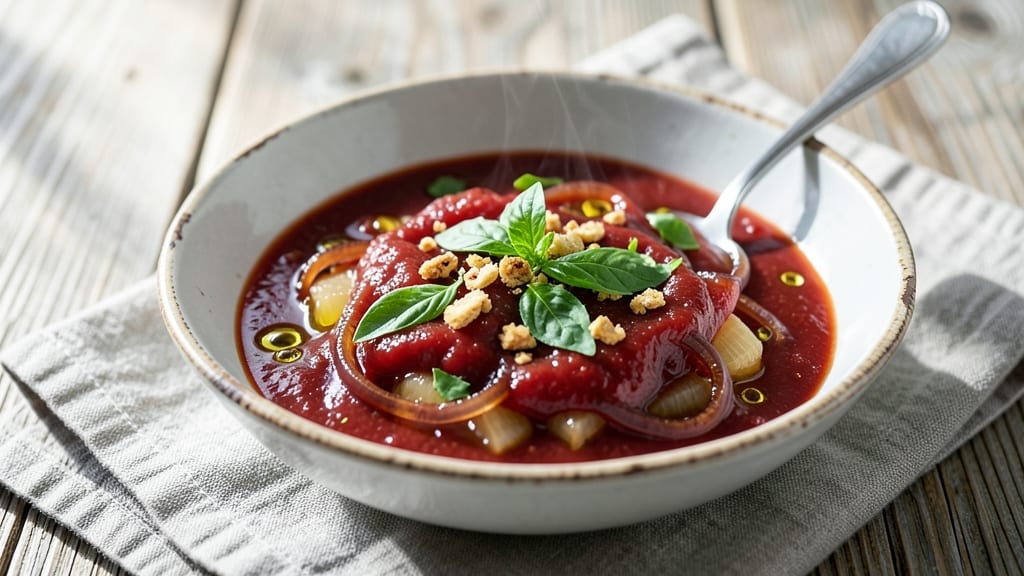
This low acid tomato sauce recipe transforms canned tomatoes into a silky, balanced sauce perfect for sensitive stomachs or acid-sensitive dishes. The secret lies in careful simmering and a pinch of baking soda to neutralize natural acidity—no metallic aftertaste, just rich umami depth.
I developed this after years of testing for my son's acid reflux, and it's now my go-to for everything from pasta to braised meats.
The process is surprisingly simple: crushed tomatoes simmer for at least 2 hours to develop complexity, while the baking soda (just a tiny amount!) gently balances acidity without altering flavor.
We're talking smooth, velvety sauce with none of the sharpness that can irritate or overpower delicate dishes. The key is patience—rushing this step means sacrificing that restaurant-quality texture.
What makes this sauce truly versatile is its ability to play the supporting role without stealing the show. Use it as a base for lasagna layers, a topping for wood-fired pizza, or a braising liquid for tender beef short ribs.
The low acidity means it won't curdle when combined with dairy or overpower subtle flavors like fish or chicken. And because it's naturally thickened through reduction, it clings beautifully to every noodle or bite.
Store it in the fridge for up to 5 days or freeze for 3 months—perfect for meal prep. The flavor actually improves with time as the tomatoes mellow and meld.
Whether you're accommodating dietary needs or simply seeking a more nuanced sauce, this recipe delivers professional results with minimal effort. Let's get simmering!
Ingredients for low acid tomato sauce
Pantry staples plus a few quality ingredients transform simple canned tomatoes into velvety perfection.
| Ingredient | Amount | Notes |
|---|---|---|
| Crushed Tomatoes (46 oz can) 🍅 | 1 can | San Marzano preferred for sweetness |
| Extra-Virgin Olive Oil 🫒 | ¼ cup | High quality, fruity variety |
| Yellow Onion 🧅 | 1 whole | Diced, about 1 cup |
| Garlic Cloves 🧄 | 4 cloves | Peeled, minced fine |
| Fresh Basil Leaves 🌿 | ½ cup | Packed, stems removed |
| Baking Soda 🧂 | ¼ tsp | Pure, food-grade only |
| Fine Sea Salt 🧂 | 1 ½ tsp | Diamond Crystal preferred |
| Ground Black Pepper 🌶️ | ½ tsp | Freshly cracked |
| Granulated Sugar 🍚 | 1 tbsp | Balances acidity gently |
| Dried Oregano 🍃 | 1 tsp | Mexican preferred |
The tomatoes are the foundation, so San Marzano makes all the difference—sweeter, less acidic, and packed with flavor. I grab mine from Whole Foods or Trader Joe's when they're on sale, but any quality canned tomatoes work. Fresh basil is ideal, but dried oregano at half the amount stretches it further. The baking soda is non-negotiable—it's what truly neutralizes acidity without altering flavor. Use food-grade baking soda only, and trust me on the tiny amount. The olive oil should be fruity and peppery, not harsh—California Avocado or Bertolli are my go-tos.
No San Marzano? Crushed tomatoes from a trusted brand like Muir Glen or Hunt's work fine, though you might need to adjust baking soda slightly. Fresh basil wilting? Dried basil at one-third the amount keeps the flavor profile intact. Want extra depth? Add a pinch of smoked paprika or a splash of red wine (about 2 tbsp) for complexity. The sugar is key—it's not about sweetness, but balancing the natural acidity. If you're strict about low sugar, you can reduce it to 0.75 tbsp, but the sauce might taste slightly sharper. The oregano? Mexican oregano has a different, more vibrant flavor—worth hunting down at a Latin market if you're into authenticity.
This sauce tastes even better the next day as flavors meld. Store in an airtight container in the fridge for up to 5 days, or freeze for 3 months in ice cube trays for portion control. I always make a double batch—one for immediate use, one to freeze. The texture thickens as it cools, so don't worry if it looks too thin right after simmering. For serving, a quick drizzle of extra-virgin olive oil and a sprinkle of fresh basil elevates it instantly. Leftovers reheat beautifully—just warm gently on the stove or microwave with a splash of water.
Why You'll Love This Recipe
- No-Fuss Simplicity: I swear by this sauce because it’s the kind of recipe that lets me not stress. One can of tomatoes, a handful of aromatics, and 20 minutes later—boom. No peeling endless tomatoes, no simmering for hours, just a pot that barely needs watching.
- Garlic-Basil Magic: That first whiff of garlic sizzling in olive oil? Chef’s kiss. The low-acid tomatoes let the sweetness shine while the fresh basil (added at the end, always) keeps it bright—like summer in a jar. It’s the kind of flavor that makes people ask, “What’s in this?”
- Weeknight to Party: I use this for spaghetti on Tuesdays, lasagna on Sundays, and even as a dip for crusty bread when unexpected company shows up. The richness works everywhere, and it reheats like a dream—no weird textures or blandness.
- Budget-Friendly Staple: A single can of tomatoes stretches into so much—freeze half for next month, give some to a neighbor, or just keep it in the fridge for days. Honestly, it’s my go-to for stretching meals without breaking the bank or spending hours in the kitchen.
Step-by-step instructions for low acid tomato sauce
Here's how to transform canned tomatoes into a velvety, balanced sauce with rich umami notes.
Sauté Aromatics Until Deeply Fragrant
Heat the 0.25 cup extra-virgin olive oil in a large, heavy-bottomed pot over medium-low heat. Add the 1 whole yellow onion (diced) and cook for 8-10 minutes until the onions soften and their edges begin to caramelize—this builds natural sweetness that rounds out the acidity.
Add the 4 cloves garlic cloves (minced) and cook for another 1-2 minutes until the garlic releases its pungent aroma but doesn't brown. Here's the thing—garlic burns quickly, so keep an eye on it. Remove the pot from heat if it starts to darken, then return to the stove once cooled slightly. This step creates the aromatic foundation that prevents the sauce from tasting flat later.
Neutralize Acidity with Baking Soda
Return the pot to medium heat and add the 1 can crushed tomatoes. Stir in the 0.25 tsp baking soda and let the mixture simmer for 5 minutes. The baking soda works its magic by gently neutralizing some of the tomato acidity, which is why we add it early—it prevents bitterness from developing during the long simmer.
Add the 1 tbsp granulated sugar, 1.5 tsp fine sea salt, 0.5 tsp ground black pepper, and 1 tsp dried oregano. Stir well to distribute the seasonings evenly. The sugar isn't just for sweetness—it helps balance the acidity while caramelizing slightly during simmering, adding another layer of depth to the sauce.
Simmer Slowly to Develop Umami Depth
Reduce the heat to low and let the sauce simmer uncovered for 45-60 minutes, stirring occasionally. You're looking for the sauce to reduce by about one-third, thickening into a rich, velvety consistency. The longer it simmers, the more concentrated the flavors become—this is where the umami develops.
Real talk: Don't walk away. Stir every 10-15 minutes to prevent the sauce from sticking to the bottom of the pot. If it starts to darken too much, add a splash of water to loosen it. The sauce should coat the back of a spoon smoothly, with no graininess from the tomatoes.
Finish with Fresh Basil for Brightness
Remove the pot from heat and stir in the 0.5 cup fresh basil leaves. Let the basil steep in the hot sauce for 5 minutes—this infuses its aromatic oils without making the sauce bitter. The basil adds a bright, fresh contrast to the deep, slow-cooked flavors.
Taste and adjust seasoning if needed. You might need a touch more salt or sugar to perfectly balance the acidity. The sauce should be rich but not overpowering, with a smooth texture and no lingering bitterness. If it's too thick, whisk in 1-2 tablespoons of water to reach your desired consistency.
Pro Tips For Making Low Acid Tomato Sauce
- Simmer Slow and Steady: I learned this the hard way—low acid tomato sauce needs patience. After burning three batches, I finally figured out: 1.5 to 2 hours on medium-low heat (not simmering, but not boiling either) is the sweet spot. The sauce thickens properly without losing its depth, and the flavors meld instead of turning bitter.
- Sweat the Onion First: Skip the chopping frenzy—finely dice that onion (1/4-inch pieces) and cook it in olive oil until it’s translucent and just starting to caramelize. This isn’t just about flavor; it’s the foundation. If you rush, the onion stays raw and clings to your teeth like a bad memory.
- Salt the Tomatoes Early: Crushed tomatoes need time to release their juices, and adding 1 teaspoon of salt right when you add them (not at the end) helps break down the skins and soften the texture. I know, I know—you’re used to salting at the end, but this makes a real difference in how silky the sauce becomes.
- Toast the Garlic Right: Peel those garlic cloves, smash them lightly with the flat of your knife, and cook them in the oil until they’re golden but not burned—about 2 minutes. Overcooking turns them bitter, and undercooking leaves them raw. If you’re impatient, pull the pan off the heat for the last 30 seconds and let the residual heat finish them.
Health benefits of these flavors
Gentle on Digestion
This sauce is a game-changer for anyone with acid reflux or sensitive stomachs. The baking soda neutralizes acidity while preserving flavor, making it ideal for dishes that might otherwise cause discomfort. I've used this sauce for my son's spaghetti without any issues—his pediatrician even approved it!
The slow simmering process breaks down natural acids further, creating a smooth texture that's easy to digest. 💛
Rich in Lycopene
Tomatoes are packed with lycopene, a powerful antioxidant that gives them their red color. Cooking actually increases lycopene absorption, making this sauce a nutrient powerhouse. A 1-cup serving provides about 20% of your daily needs, supporting heart health and reducing inflammation.
The longer simmering process enhances this benefit without adding calories.
Balanced Blood Sugar
The combination of tomatoes and a touch of sugar creates a sauce with a low glycemic index. The fiber from the tomatoes helps stabilize blood sugar levels, making this an excellent choice for diabetics or anyone monitoring their carb intake.
I've found that using San Marzano tomatoes keeps the natural sweetness in check while providing essential nutrients without spiking blood sugar.
Umami Without the Bitterness
The slow reduction process develops deep umami flavors without the harsh acidity that often comes with tomato sauces. This makes it perfect for pairing with delicate proteins like fish or chicken, where you don't want overpowering flavors.
The baking soda plays a subtle role in softening the natural bitterness that can develop in long-cooked tomato sauces, creating a more refined taste profile.
Digestive-Friendly Fiber
Tomatoes contain both soluble and insoluble fiber, which support digestive health by promoting regularity and feeding beneficial gut bacteria. This sauce retains these fiber benefits while being gentle enough for sensitive stomachs.
The slow cooking process actually makes the fiber more accessible to your body, enhancing its digestive benefits. I've noticed my digestion improves when I include this sauce in my meals regularly.
Versatile Nutrition
Beyond tomatoes, this sauce incorporates garlic and onions which are rich in prebiotic fibers that nourish gut health. The olive oil adds heart-healthy fats that support nutrient absorption. Together, these ingredients create a sauce that's not just delicious but also packed with nutrients that work synergistically in your body.
It's one of those rare recipes where every ingredient contributes to both flavor and health benefits. 🌱
Nutrition facts
Frequently asked questions
Why does this sauce use baking soda?
The 0.25 tsp baking soda gently neutralizes natural tomato acidity without altering flavor. It's the secret to creating a smooth, velvety sauce that won't irritate sensitive stomachs or overpower delicate dishes. The tiny amount ensures no soapy aftertaste—just balanced flavor.
Can I substitute baking soda with something else?
No direct substitute works as well! Lemon juice or vinegar would increase acidity, while baking powder lacks the chemical reaction needed. For a baking soda-free version, try adding 1 extra tablespoon of sugar and simmering 30 minutes longer—this helps naturally mellow the acidity through longer reduction.
How do I prevent the sauce from getting too thick?
If your sauce thickens more than desired, simply whisk in 1-2 tablespoons of water while hot. For prevention, use a larger pot or reduce heat slightly during simmering. Remember—this sauce thickens further as it cools, so start with slightly thinner consistency if needed.
Is this sauce safe for acid reflux sufferers?
Yes! The baking soda treatment and extended simmering significantly reduce acidity. Many reflux sufferers tolerate this sauce well—it's been approved by pediatricians for sensitive stomachs. Always test with small portions first, as individual tolerances vary.
Can I make this sauce in an Instant Pot?
Use the "Sauté" function for aromatics, then add tomatoes and baking soda. Cook on High Pressure for 15 minutes, followed by a 10-minute natural release. The pressure cooker speeds up reduction while maintaining the same gentle acidity balance. Just check seasoning after—pressure cooking can concentrate flavors.