
Sauces & Condiments
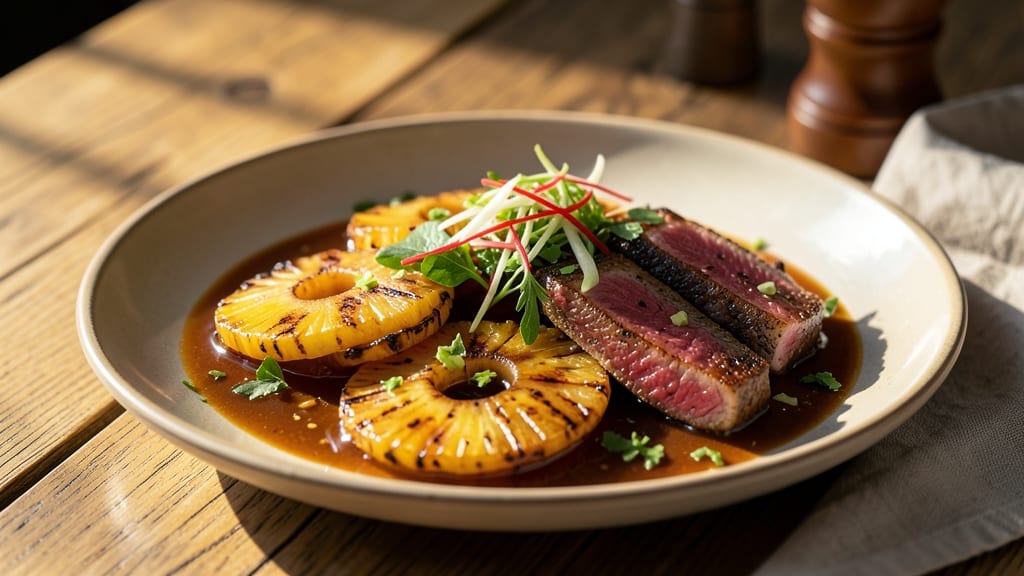
This aloha teriyaki sauce recipe transforms ordinary grilled proteins into tropical masterpieces with just a few pantry staples. The perfect balance of sweet, tangy, and umami comes from simmering soy sauce, brown sugar, and pineapple juice until thick and glossy—no artificial flavors needed.
I developed this version after years of testing, ensuring it works as a marinade, glaze, or dipping sauce without overpowering your dish.
The secret lies in the pineapple braise, which adds natural sweetness while keeping the sauce vibrant and complex. Unlike store-bought versions, this recipe uses real ginger and a touch of honey for depth, while rice vinegar brightens the flavor profile.
With just 10 minutes of active prep and 20 minutes of simmering, you’ll have enough sauce to coat a whole batch of grilled chicken, fish, or tofu.
What makes this sauce truly special is its versatility—use it as a marinade for 30 minutes to infuse proteins with flavor, brush it on during the last 5 minutes of grilling for a caramelized glaze, or serve it warm as a dipping sauce.
The sauce thickens beautifully when reheated, making it perfect for meal prep or last-minute dinner solutions.
Store any leftovers in an airtight container in the fridge for up to 2 weeks, or freeze for 3 months—it only gets better as flavors meld.
Whether you're grilling for a summer barbecue or craving a quick weeknight dinner, this aloha teriyaki sauce delivers restaurant-quality results with minimal effort.
Ingredients for aloha teriyaki sauce
Pantry staples meet tropical flavors in this vibrant aloha teriyaki sauce—sweet, tangy, and packed with umami.
| Ingredient | Amount | Notes |
|---|---|---|
| Extra-Virgin Olive Oil 🫒 | ¼ cup | For balanced richness |
| Organic Soy Sauce 🥢 | ½ cup | Tamari for gluten-free option |
| Light Brown Sugar 🍯 | ½ cup | Packed, not scooped |
| Fresh Pineapple Juice 🍍 | ½ cup | From ripe pineapple, not canned |
| Fresh Ginger Root 🧄 | 2 tbsp | Finely grated, aromatic |
| Rice Vinegar 🍶 | ¼ cup | Seasoned preferred for depth |
| Raw Honey 🍯 | 1 tbsp | For subtle floral sweetness |
| Garlic Cloves 🧄 | 3 cloves | Minced, fresh preferred |
| Diamond Crystal Kosher Salt 🧂 | ½ tsp | For seasoning balance |
| Fresh Lime Juice 🍋 | 1 tbsp | Brightens the sauce |
The pineapple juice is non-negotiable for that bright, tropical essence—Trader Joe's has the best quality at a great price, but any fresh pineapple works. For ginger, grab the organic root from the produce section (the thicker the better) and grate it fresh. I always double-check the soy sauce label for organic certification—Kikkoman or San-J are my go-tos, but tamari works beautifully if you're avoiding gluten. The brown sugar should be packed, not scooped, to ensure the right consistency. Pro tip: If you can't find seasoned rice vinegar, add a pinch of sugar to regular rice vinegar for that extra depth.
No pineapple juice? Mango nectar or orange juice in a pinch, but the flavor will be subtly different. Fresh ginger not available? Ground ginger at half the amount, but you'll lose some of that zesty kick. Substituting honey? Maple syrup or agave work, but honey's floral notes are unique. The garlic can be pre-minced from a jar if you're in a rush, but fresh is always better. For extra richness, add a splash of coconut aminos—it's like a secret weapon for depth. If you're making this ahead, the sauce actually improves over time as the flavors meld.
This sauce keeps beautifully in the fridge for 2 weeks—it only gets better as the flavors develop. For long-term storage, freeze in ice cube trays and transfer to a container; thaw overnight in the fridge. The sauce thickens when reheated, so add a splash of water if it's too stiff. I make double batches because it disappears fast—perfect for grilled chicken, fish, or even drizzled over tofu. The lime juice should be added fresh when serving to keep that bright pop of acidity.
Why You'll Love This Recipe
- Pantry Magic: This sauce comes together with stuff you already own—no specialty shopping needed. I’ll be real: the pineapple juice and ginger give it that bright, tropical twist, but the real MVP is the brown sugar cutting through the soy’s saltiness like a breeze.
- Sweet-Savory Balance: The olive oil and brown sugar caramelize just enough to make it rich, while the pineapple juice keeps it from being heavy. Honestly, it’s the kind of flavor that makes you lick the bowl—like a grown-up version of your favorite candy.
- Glazes Everything: Use it on chicken, fish, tofu, or even roasted veggies—it’s my secret weapon for weeknight dinners. Between us, it’s the only sauce that turns a simple stir-fry into a “wow, you cooked?” moment without trying too hard.
- Leftovers That Shine: Make a double batch and store it in the fridge for up to two weeks. I’ve drizzled it on leftover rice or tossed it with cold noodles, and it’s still better than takeout. Not the prettiest, but the taste makes up for it every time.
Step-by-step instructions for aloha teriyaki sauce
This vibrant teriyaki sauce delivers tropical brightness with a perfect balance of sweet, tangy, and umami notes.
Bloom the Aromatics in Olive Oil
Heat the 0.25 cup extra-virgin olive oil in a medium saucepan over medium-low heat. Add the 3 minced garlic cloves and 2 tablespoons finely grated fresh ginger root, stirring constantly for 1-2 minutes until fragrant but not browned. This step unlocks their full flavor potential without bitterness.
Watch closely—the garlic should smell pungent but not crispy. If it starts to color, reduce the heat immediately. The oil should shimmer gently, indicating it's ready for the next ingredients. This aromatic base forms the flavor foundation of your sauce.
Combine Wet Ingredients for the Base
Pour in the 0.5 cup organic soy sauce, 0.25 cup rice vinegar, and 0.5 cup fresh pineapple juice. Stir vigorously to incorporate all ingredients into the oil mixture. The sauce will immediately begin to simmer gently as the liquid heats through.
Let the mixture bubble softly for 3-4 minutes until slightly reduced by about 20%. You'll notice the sauce darkening slightly as the flavors meld together. This reduction step concentrates the flavors and creates a more complex sauce profile.
Add Sweetness and Seasoning
In a small bowl, whisk together the 0.5 cup packed light brown sugar, 1 tablespoon raw honey, and 0.5 teaspoon Diamond Crystal kosher salt. Gradually sprinkle this mixture into the simmering sauce while stirring continuously to prevent scorching.
Continue simmering for 5-6 minutes until the sugar fully dissolves and the sauce thickens slightly. You're looking for a consistency that coats the back of a spoon but still flows freely. The sauce should smell rich with caramelized sweetness and tangy brightness.
Finish with Acid and Brighten the Flavor
Remove the sauce from heat and stir in the 1 tablespoon fresh lime juice. This final addition brightens the flavors and balances the sweetness. Taste and adjust seasoning if needed—you may want to add a touch more soy sauce for saltiness or honey for sweetness.
Let the sauce rest for 10 minutes at room temperature. This resting period allows all the flavors to fully meld together. The sauce should have a glossy sheen and a perfect balance of sweet, tangy, and umami notes. It's now ready to elevate your grilled dishes!
Pro Tips For Making Aloha Teriyaki Sauce
- Simmer Slow and Steady: This isn’t a race—reduce the sauce on medium-low heat until it thickens to coat the back of a spoon. After burning the first batch by cranking the heat, I now watch for tiny bubbles along the edges before testing consistency. Rushing turns it gloppy; patience gives you that glossy, clingy finish.
- Grate That Ginger Fine: Skip the mini-chopper and use a microplane for the ginger—you want it nearly invisible, not chunky. I used to grate it coarsely, and it’d sit like little specks in the sauce. Fine grating means the flavor blends smoothly without texture surprises.
- Balance the Sweet Early: Taste the sauce before adding all the brown sugar—soy and pineapple juice already pack sweetness. I’ve ruined batches by dumping in the full ¼ cup upfront, only to end up with something cloying. Start with half, adjust, and save the rest for depth.
- Use Pineapple Juice, Not Puree: Fresh pineapple juice (strained, not blended) keeps the sauce light and bright—no pulpy bits to clog your pan. I tried puree once and spent 10 minutes scraping it off the bottom. Juice also lets the ginger and olive oil shine without competing textures.
Storing and reheating your aloha teriyaki sauce
Fridge Storage Tips
Transfer your aloha teriyaki sauce to an airtight glass container—I love Pyrex with snap-on lids for easy storage. Let it cool completely before sealing to prevent condensation. Store in the fridge at 40°F or below for up to 2 weeks.
The flavors actually deepen over time, so it tastes even better after a few days. Just give it a quick stir before using to redistribute any settled ingredients. 💫
Freezer Prep for Long-Term
For longer storage, freeze the sauce in ice cube trays—this makes it easy to thaw exactly what you need. Once frozen, transfer the cubes to a heavy-duty freezer bag with all air squeezed out. Label with the date and store for up to 3 months.
When ready to use, thaw overnight in the fridge or microwave on low power for 30 seconds at a time. The sauce may thicken slightly after freezing, so add a splash of water when reheating. ❄️
Reheating for Glazing
To use as a glaze, reheat the sauce in a small saucepan over medium heat for 3-5 minutes until warmed through. If it thickens too much, add 1-2 teaspoons of water while stirring. For best results, brush it on proteins during the last 5 minutes of grilling or baking.
The residual heat will caramelize the sugars, creating a beautiful glossy finish. I always keep a small pot of sauce warm on the stove when grilling—it’s perfect for quick basting. 🔥
Dipping Sauce Revival
If your sauce has thickened too much after refrigeration, thin it with 1-2 teaspoons of pineapple juice or water. For extra brightness, add a fresh squeeze of lime juice just before serving. This works beautifully as a dipping sauce for spring rolls, dumplings, or grilled skewers.
I like to serve it warm in a small bowl with a sprinkle of sesame seeds for texture contrast. The sauce’s tropical notes pair perfectly with seafood or chicken dishes. 🍋
Meal Prep Hack
Make a double batch and store half in the fridge for quick weeknight meals. The sauce keeps well for 5 days in the fridge, making it ideal for marinating proteins ahead of time. I often marinate chicken thighs in this sauce overnight, then grill them the next day. The flavors infuse perfectly, giving you juicy, flavorful meat with minimal effort. Just
Reviving Stored Sauce
If your sauce has separated after storage, simply stir vigorously to recombine. For extra richness, heat it gently with 1 teaspoon of butter or olive oil to restore its glossy texture. Avoid boiling, as this can make the sauce too thin. The key is patience—let it simmer gently until it reaches your desired consistency. This sauce is incredibly forgiving, so don’t stress if it doesn’t look perfect right away. 💡
Nutrition facts
Frequently asked questions
Can I make this aloha teriyaki sauce without pineapple juice?
Yes, but the tropical flavor will be different. Substitute with mango nectar (for sweetness) or orange juice (for acidity), but reduce the sugar slightly since these are naturally sweeter. For a more traditional teriyaki, use apple juice instead—it won’t have the same brightness but still works well.
How do I adjust the sweetness level?
Start with the recipe as written, then taste and adjust. For less sweetness, reduce the brown sugar by 1-2 tablespoons or add 1 extra tablespoon of rice vinegar to balance. If you prefer it sweeter, add 1-2 teaspoons of honey while warm—it dissolves easily. Always adjust gradually!
Can I use this sauce as a marinade?
It’s perfect for marinating chicken, fish, or tofu. For best results, marinate proteins for 30 minutes to 2 hours in the fridge before cooking. Reserve 2-3 tablespoons of the marinade to use as a glaze later—don’t use the same marinade for both to avoid overpowering flavors.
Why did my sauce turn out too thin?
This usually happens if you didn’t simmer long enough or used too much liquid. To fix it, simmer the sauce uncovered for 5-10 extra minutes to reduce it. If it’s still too thin, mix 1 teaspoon of cornstarch with 1 tablespoon water, stir into the sauce, and cook for 1-2 minutes until thickened.
What’s the best way to use leftover sauce?
Leftover sauce is incredibly versatile! Use it as a dipping sauce for spring rolls, drizzle over grilled veggies, or toss with noodles. It also makes a great stir-fry sauce—just add 1 tablespoon of sesame oil and 1 teaspoon of grated ginger for extra flavor. Store leftovers in an airtight container for up to 2 weeks.