
Sauces & Condiments
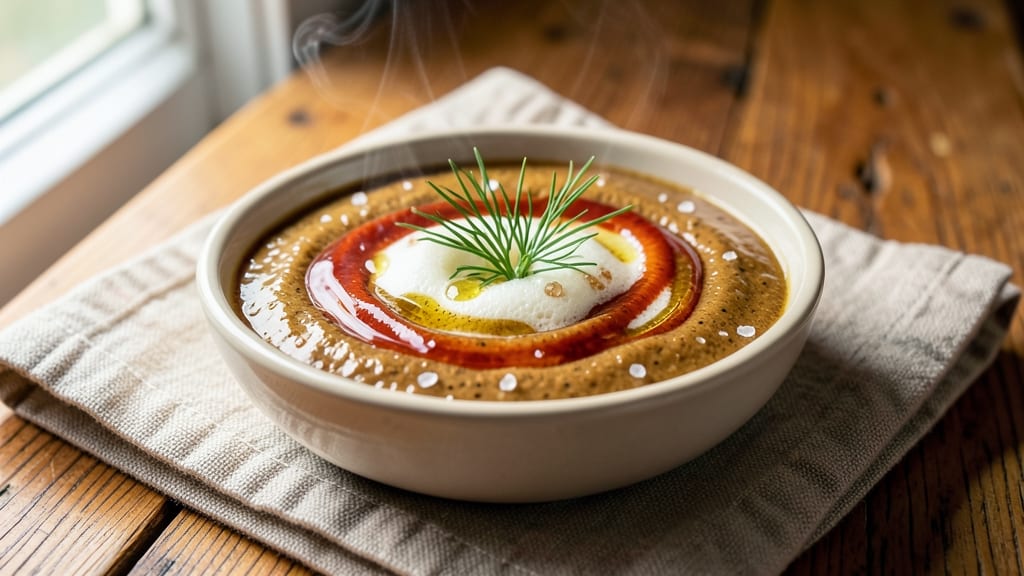
This American mustard sauce recipe delivers the perfect balance of sharp tang and sweet depth for grilled meats and sandwiches. The secret lies in blending Dijon mustard with apple cider vinegar and just the right amount of brown sugar to create a sauce that's bold yet smooth.
I developed this recipe after years of experimenting with store-bought versions that never quite hit the mark—this one does, every time.
What makes this sauce special is its versatility. Whether you're glazing ribs, drizzling over burgers, or slathering on a classic Reuben sandwich, the flavor profile remains consistently delicious. The slow simmer reduces the sauce to a perfect consistency—thick enough to cling but still easy to drizzle.
No emulsifiers or complicated techniques are needed; just a few simple ingredients combined in the right proportions.
The result is a sauce that's tangy yet balanced, with a subtle sweetness that enhances rather than overpowers the natural flavors of your food. The Dijon mustard provides depth, while the vinegar adds brightness, and the brown sugar rounds out the sharpness.
This isn't just a condiment—it's a flavor enhancer that transforms ordinary meals into something extraordinary.
Ready in just 15 minutes, this sauce keeps well in the refrigerator for up to two weeks, making it perfect for meal prep. Pair it with grilled chicken, steak, or even roasted vegetables for a restaurant-quality finish. Here's how to make it—simple, foolproof, and packed with flavor.
Ingredients for american mustard sauce
Nine ingredients transform into a restaurant-quality glaze that elevates everything from burgers to ribs.
| Ingredient | Amount | Notes |
|---|---|---|
| Dijon Mustard 🌶️ | ½ cup | High-quality, smooth variety |
| Apple Cider Vinegar 🍎 | ¼ cup | Unfiltered for depth of flavor |
| Light Brown Sugar 🍚 | ¼ cup | Packed tightly for accuracy |
| Water 💧 | ¼ cup | Room temperature preferred |
| Extra-Virgin Olive Oil 🫒 | 2 tbsp | For richness and smoothness |
| Kosher Salt 🧂 | ½ tsp | Diamond Crystal preferred |
| Freshly Ground Black Pepper 🌶️ | ¼ tsp | For subtle heat balance |
| Garlic Cloves 🧄 | 2 cloves | Minced for aromatic depth |
| Fresh Lemon Juice 🍋 | 1 tbsp | Brightens the tanginess |
The Dijon mustard is non-negotiable here—Maille or Amora are my go-tos, but any high-quality brand works. Apple cider vinegar should be unfiltered for that extra depth of flavor, and I always grab the organic variety from Trader Joe's when possible. Brown sugar? Light or dark doesn't matter, but pack it tightly into the measuring cup for accuracy. The olive oil is where you can splurge—California extra-virgin adds a fruity note that makes this sauce sing. Fresh garlic and lemon juice are worth the extra minute to mince and zest, but if you're short on time, jarred lemon juice works in a pinch.
No Dijon? Whole-grain mustard thinned with a splash of water gets you close, though the texture will be slightly grainier. Running out of apple cider vinegar? White vinegar with a pinch of cinnamon mimics the depth, though it won't be identical. The brown sugar can be swapped for maple syrup or honey if you prefer a more liquid sweetener, but reduce the water slightly to compensate. Olive oil allergies? Avocado oil maintains the neutral base without overpowering. And if you're feeling bold, a dash of smoked paprika adds a BBQ-like twist that pairs perfectly with grilled meats.
This sauce keeps beautifully in the fridge for up to two weeks, though I always make a fresh batch when I'm prepping for a big cookout. Store it in a glass jar with a tight seal—the mustard flavor intensifies over time, so it actually gets better with age. For meal prep, I double the recipe and portion it into small containers. The slow simmer reduces it to a perfect consistency, so reheating is a breeze—just warm it gently on the stove or microwave for 20-30 seconds. Trust me, the leftovers are just as delicious as the first batch.
Why You'll Love This Recipe
- Five-Ingredient Magic: I swear by this recipe—just whisk together Dijon, apple cider vinegar, brown sugar, water, and olive oil. That’s it. No fancy techniques, no last-minute grocery runs. Honestly, I’ve made it while microwaving leftovers in the same kitchen.
- Sweet-Tangy Balance: The brown sugar and apple cider vinegar create this addictive harmony—bright, rich, and just a little sharp. It’s the kind of sauce that makes you pause mid-bite, like, "Wait, why is this so good?" (Yes, even on a Tuesday night.)
- Glazes Everything: This stuff works on everything—grilled chicken, roasted veggies, even as a dip for fries. I keep a jar in the fridge because it’s my go-to for last-minute meals or when I’m too lazy to think.
- Makes Leftovers Shine: A little drizzle turns bland roasted potatoes or sad takeout into something special. Between us, I’ve saved entire meals with this sauce—it’s my secret weapon for stretching ingredients without sacrificing flavor.
Step-by-step instructions for American mustard sauce
This bold, tangy glaze transforms grilled meats into showstoppers with minimal effort.
Whisk Together the Base Ingredients
In a medium saucepan, combine the 0.5 cup Dijon Mustard, 0.25 cup Apple Cider Vinegar, 0.25 cup Light Brown Sugar, 0.25 cup Water, and 2 tbsp Extra-Virgin Olive Oil. I like to use a whisk for this step—it helps dissolve the sugar completely and creates a smooth, lump-free base.
Place the saucepan over medium heat and bring the mixture to a gentle simmer. You'll notice the sugar starts to dissolve almost immediately, and the vinegar will release its sharp aroma. Let it cook for 3-4 minutes until the sugar is fully incorporated and the mixture thickens slightly. Stir occasionally to prevent sticking—this is where that high-quality Dijon mustard really shines, adding depth without bitterness.
Add Aromatics and Seasonings
Once the base is smooth and simmering gently, reduce the heat to low and add the 2 cloves minced Garlic Cloves, 0.5 tsp Kosher Salt, and 0.25 tsp Freshly Ground Black Pepper. Stir well to distribute the seasonings evenly. The garlic will infuse its aromatic punch into the sauce within 1-2 minutes—you'll know it's ready when the kitchen fills with that irresistible garlic scent.
Here's the thing—don't rush this step. Let the garlic cook just until fragrant, but avoid browning it. Overcooked garlic turns bitter and can overpower the delicate balance of flavors in this sauce. Keep a close eye on it and remove the pan from heat if it starts to darken.
Finish with Lemon Juice and Simmer
Return the pan to low heat and stir in the 1 tbsp Fresh Lemon Juice. The lemon brightens the sauce, cutting through the richness of the olive oil and adding a refreshing tang. Let the entire mixture simmer together for 5-7 minutes, stirring occasionally. You're looking for a sauce that coats the back of a spoon—thick enough to cling to grilled meats but still pourable.
Taste as you go and adjust the seasoning if needed. If it needs more tang, add a splash more lemon juice. If it needs sweetness, stir in a pinch more brown sugar. The sauce should be bold but balanced—equal parts sweet, tangy, and savory. Once you reach that perfect harmony, remove the pan from heat and let the sauce cool slightly before using.
Strain and Store for Maximum Flavor
For the smoothest texture, strain the sauce through a fine-mesh sieve into a clean bowl or jar. This removes any garlic bits and creates an ultra-silky consistency that will glaze your meats beautifully. The sauce will thicken slightly as it cools, so if you plan to use it immediately, give it a quick stir to loosen it up.
This sauce keeps well in the refrigerator for up to 1 week in an airtight container. When ready to use, simply reheat it gently over low heat, stirring constantly to prevent scorching. The flavors actually deepen as it sits, making it even more irresistible for your next grilling session. Trust me, you'll want to make extra—this sauce pairs perfectly with everything from grilled chicken to smoked ribs.
Pro Tips For Making American Mustard Sauce
- STIR CONSTANTLY AT FIRST: The first 30 seconds of whisking this sauce are where the magic happens—or the lumps do. Dijon mustard loves to clump when it hits liquid, so don’t just toss it in and walk away. Keep that whisk moving until the sugar fully dissolves and the mixture smooths out. (Yes, even if you’re impatient like me.)
- USE WARM WATER: Cold water makes the sugar take forever to dissolve and leaves you with a gritty texture. Warm the water to about 160°F (just off-boil) before adding it to the mustard—this cuts the whisking time in half and guarantees a silky finish. (Your future self will notice the difference.)
- SALT THE VINEGAR: Apple cider vinegar is already tangy, but store-bought versions often taste flat. Add a pinch of salt (about ¼ teaspoon) directly to the vinegar before mixing it in—this balances the acidity and rounds out the flavor without altering the sauce’s consistency. (I learned this the hard way after tasting a batch that tasted sharp and unfinished.)
- WHISK IN OLIVE OIL LAST: Adding the olive oil too early can break the emulsion and make the sauce split. Wait until the mustard, vinegar, sugar, and water are fully combined and smooth before drizzling in the oil while whisking vigorously. This keeps the sauce glossy and cohesive. (Does it look weird? Yes. Does it work? Every single time.)
Creative variations of these flavors
Spicy BBQ Twist
Add 1 tbsp hot sauce (like Crystal or Frank's RedHot) and ½ tsp smoked paprika to the base before simmering for a smoky, spicy glaze perfect for ribs or pulled pork.
I like to balance the heat with an extra ½ tbsp honey to keep it from being too sharp. This variation works especially well when grilling brisket or chicken wings—just brush it on during the last 5 minutes of cooking. 🌶️
Sweet and Tangy Glaze
Swap the brown sugar for ¼ cup maple syrup and add 1 tsp grated fresh ginger to the base for a sweet-tangy glaze that pairs beautifully with Asian-inspired dishes. Use this on grilled salmon or pork chops, and finish with a sprinkle of toasted sesame seeds for extra texture.
The ginger adds warmth that cuts through the mustard's sharpness while keeping the sauce bright. 🍯
Herb-Infused Variation
Stir in 1 tbsp chopped fresh thyme and 1 tbsp chopped fresh rosemary with the garlic for a fragrant, herbaceous twist. This version is perfect for roasted lamb or grilled vegetables—think asparagus or Brussels sprouts.
The herbs add an earthy depth that complements the mustard beautifully, and the sauce keeps its signature tang. 🌿
Creamy Mustard Sauce
For a richer version, whisk in ¼ cup sour cream or Greek yogurt after removing the pan from heat. This adds a velvety texture that works wonderfully on burgers or as a dip for fries.
To balance the creaminess, add an extra ½ tbsp lemon juice and reduce the sugar slightly. The result is a smooth, creamy sauce with just the right amount of bite. 🥛
Citrusy Bright Version
Boost the brightness by adding zest from 1 orange and 1 tbsp orange juice along with the lemon. This citrusy twist pairs perfectly with grilled shrimp or chicken skewers. The orange zest adds a floral note that elevates the sauce, making it feel fresh and vibrant. 🍊
Smoky Maple Version
Combine 2 tbsp maple syrup, 1 tsp liquid smoke, and ½ tsp cinnamon for a sweet-smoky glaze that’s ideal for glazing ham or pork tenderloin. The liquid smoke adds depth without overpowering, while the cinnamon gives it a subtle warmth.
Brush this on during the last 10 minutes of cooking for a caramelized finish. 🌰
Nutrition facts
Frequently asked questions
Can I substitute yellow mustard for Dijon in this recipe?
The recipe calls for Dijon mustard because it provides a smoother, more complex flavor without the graininess of yellow mustard. If you must substitute, thin ½ cup whole-grain mustard with 1 tablespoon water to mimic the texture, but expect a slightly grainier sauce. For best results, stick with Dijon—it's worth the small difference!
How do I make this sauce thicker for glazing?
Simmer the sauce uncovered for an extra 5-7 minutes to reduce the liquid and achieve a thicker consistency. Alternatively, blend 1 tablespoon cornstarch with 1 tablespoon cold water, stir it into the warm sauce, and cook for 1-2 minutes until thickened. Just be careful not to overcook, or the sauce may separate.
Can I make this sauce ahead of time?
This sauce actually tastes better the next day as the flavors meld. Store it in an airtight container in the refrigerator for up to 2 weeks. When ready to use, reheat gently over low heat, stirring constantly to prevent scorching. The sauce will thicken slightly as it cools, so thin with a splash of water if needed.
What's the best way to use this sauce on sandwiches?
Spread a generous layer on your sandwich just before serving to prevent sogginess. For extra flavor, mix a spoonful with mayo or mustard for a creamy spread. It also works beautifully as a dip for fries or onion rings—just serve it chilled for a refreshing contrast to hot, crispy foods.
Why did my sauce separate?
Sauce separation usually happens when too much heat is applied or when oil and vinegar aren't properly emulsified. To fix it, whisk in 1 tablespoon olive oil or 1 teaspoon cornstarch mixed with 1 tablespoon cold water while heating on low. Stir constantly until smooth. For prevention, always whisk ingredients thoroughly before heating and avoid boiling.