
Sauces & Condiments
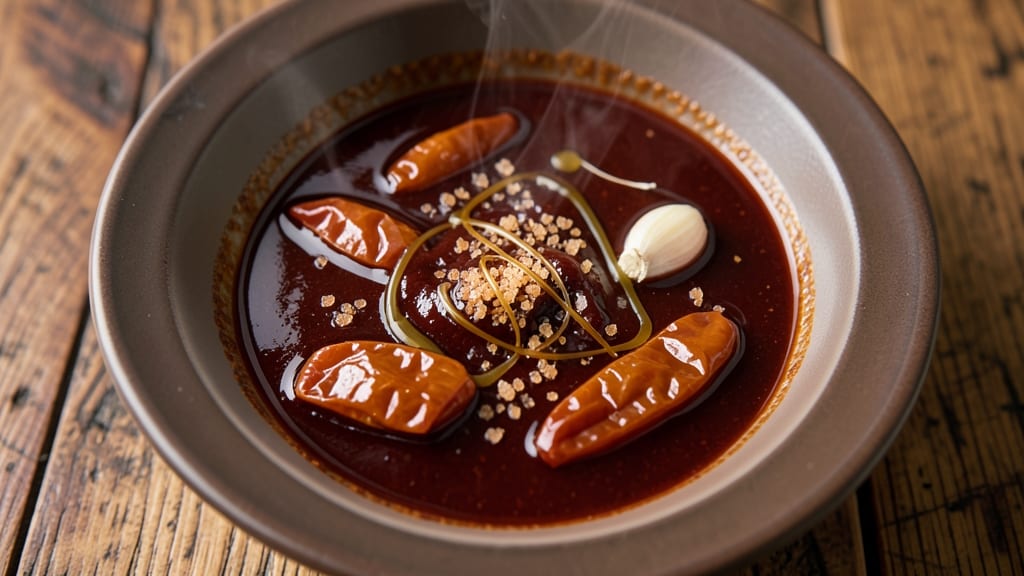
This ancho barbecue sauce recipe transforms dried chiles into a smoky, tangy condiment that elevates everything from grilled vegetables to roasted meats. I developed this after years of experimenting with fermented heat—where ancho chiles meet brown sugar and vinegar for a sauce that's both complex and approachable.
The key lies in balancing sweetness, acidity, and that deep, smoky fermented kick that lingers on the tongue.
The sauce achieves a perfect liquid-paste consistency, ideal for glazing, basting, or drizzling. You'll start with dried ancho chiles rehydrated in hot water, then blend them with tomatoes, garlic, and spices until smooth.
Brown sugar adds depth while vinegar cuts through the richness, creating a sauce that's versatile enough for weeknight dinners or special occasions. It's vegetarian but packs enough umami to satisfy even meat lovers.
What makes this recipe stand out is its ability to transform simple dishes into something extraordinary. Think charred corn slathered in this sauce, or grilled tofu with a glossy finish. The flavors develop as it sits, so making a batch ahead ensures you're always ready for spontaneous cookouts.
Store it in the fridge for up to two weeks or can it for long-term use—either way, you'll have a pantry staple that brings smoky depth to every bite.
For those who love experimenting, this sauce is your canvas. Adjust the sweetness with more or less sugar, or add a pinch of cinnamon for warmth. The possibilities are endless, but the foundation remains the same: a perfect balance of ancho's earthy notes, vinegar's tang, and brown sugar's caramelized richness.
Let's get blending!
Ingredients for ancho barbecue sauce
Nine ingredients transform dried chiles into a smoky, tangy sauce that elevates every bite.
| Ingredient | Amount | Notes |
|---|---|---|
| Dried Ancho Chiles 🌶️ | 4 whole | Stems and seeds removed |
| Hot Water 💧 | 2 cups | For rehydrating chiles |
| Canned Tomato Sauce 🍅 | 1 cup | San Marzano preferred |
| Brown Sugar 🍚 | ½ cup | Light or dark variety |
| Apple Cider Vinegar 🍎 | ¼ cup | For tangy brightness |
| Garlic Cloves 🧄 | 4 cloves | Peeled and roughly chopped |
| Ground Cumin 🌿 | 1 tsp | Toasted for depth |
| Smoked Paprika 🌶️ | 1 tbsp | For extra smokiness |
| Salt 🧂 | 1 ½ tsp | Diamond Crystal preferred |
| Extra-Virgin Olive Oil 🫒 | ¼ cup | For richness |
Ancho chiles are the heart of this sauce, so pick plump, dark ones from a Latin market or specialty store—Goya or La Costeña are reliable brands. Remove stems and seeds before rehydrating in hot water; this removes bitterness and intensifies the smoky flavor. The tomato sauce should be high-quality—San Marzano cans make all the difference. Brown sugar adds caramelized depth, but if you prefer less sweetness, reduce to 1/4 cup. For the vinegar, apple cider vinegar gives the best balance of tang and complexity.
No ancho chiles? Dried guajillo or pasilla chiles work as substitutes—just remove seeds and stems. Short on brown sugar? Maple syrup or agave can stand in, though the flavor will shift slightly. The smoked paprika is non-negotiable for that authentic smoky kick, but if you're out, liquid smoke (1/4 tsp) plus extra paprika gets you close. For a smoother sauce, blend the rehydrated chiles with the water first—this removes any lingering grit. If you're feeling adventurous, add a pinch of cinnamon or cloves for warmth.
This sauce thickens as it sits, so stir occasionally while blending to avoid lumps. Store in a clean glass jar in the fridge for up to 2 weeks, or can it for long-term storage. The flavors deepen over time, so making a batch ahead is worth it. For a restaurant-quality finish, strain through a fine-mesh sieve before serving—this removes any remaining chile fibers for a silky texture.
Why You'll Love This Recipe
- Five-Ingredient Magic: I swear, this sauce comes together with just a handful of pantry staples—no fancy prep, no stress. Soak those ancho chiles in hot water for 10 minutes, then blend with tomato sauce, brown sugar, vinegar, and a splash of water. That’s it. No chopping, no peeling, no mess.
- Smoky-Sweet Obsession: The ancho chiles bring this deep, earthy heat that lingers without overpowering, while the brown sugar and vinegar create this perfect balance of sweet-tart richness. It’s the kind of flavor that makes you drizzle it on everything—grilled chicken, roasted veggies, even tacos.
- Weeknight Workhorse: This sauce is my go-to for everything from quick weeknight dinners to weekend BBQs. Use it as a marinade, a glaze, or a dip—it’s that versatile. Honestly, I’ve even poured it over scrambled eggs when I’m lazy (don’t judge).
- Budget-Friendly Staple: A single jar of tomato sauce and a small bag of dried chiles stretch into so much sauce—way more than store-bought bottles for half the price. Plus, the leftovers? They keep for weeks in the fridge, so you’re always ready for whatever comes next.
Step-by-step instructions for ancho barbecue sauce
Here's how to build a sauce with deep ancho richness and balanced smoky heat.
Rehydrate the Ancho Chiles
Place the 4 whole dried ancho chiles in a heatproof bowl and pour over the 2 cups hot water. Let them soak for 15-20 minutes until completely softened and pliable. The chiles should expand noticeably and develop a deep, earthy aroma—this is your flavor foundation.
While soaking, I like to gently press the chiles with my fingers to help them absorb the water evenly. Once rehydrated, remove the chiles from the water and transfer them to a blender or food processor. Discard the soaking liquid—it's bitter and contains no useful flavor. The chiles should now be ready to release their signature sweet, smoky depth.
Blend the Base Ingredients
Add the rehydrated ancho chiles to the blender along with the 1 cup canned tomato sauce, 0.5 cup brown sugar, 0.25 cup apple cider vinegar, 4 cloves garlic, 1 tsp ground cumin, 1 tbsp smoked paprika, and 1.5 tsp salt. Blend on high speed for 1-2 minutes until completely smooth, scraping down the sides as needed.
This is where the magic happens—the combination of tomato's acidity, brown sugar's caramel notes, and ancho's smoky sweetness creates a complex flavor profile. The vinegar brightens everything while the spices add depth. Pulse occasionally if the mixture seems too thick, but aim for a completely homogeneous blend before proceeding.
Simmer and Thicken the Sauce
Transfer the blended mixture to a medium saucepan and place it over medium heat. Stir in the 0.25 cup extra-virgin olive oil and bring to a gentle simmer. Let the sauce cook uncovered for 20-25 minutes, stirring occasionally, until it thickens to your desired consistency.
You'll know it's ready when the sauce coats the back of a spoon and has reduced by about 25%. The aroma should be rich and complex—smoky, slightly sweet, with a hint of tang. If it thickens too quickly, add 1-2 tablespoons of water to balance the texture. The sauce should be glossy but still spreadable, not gluey.
Strain and Finish
Line a fine-mesh strainer with cheesecloth or a coffee filter and set it over a clean bowl. Pour the hot sauce through the strainer, pressing gently with a wooden spoon to extract all the flavor. This step removes any remaining chile skins while keeping the rich, filtered sauce.
Return the strained sauce to the saucepan and let it cool slightly. Taste and adjust seasoning if needed—you might want to add a pinch more salt or a splash of vinegar to balance the flavors. The sauce will continue to thicken as it cools, so don't worry if it looks slightly thinner when you're done.
Pro Tips For Making Ancho Barbecue Sauce
- STEAM THE CHILES: I learned this the hard way—tossing dried ancho chiles straight into boiling water makes them bitter. Instead, cover them with just enough hot water to submerge (about 1 cup per 3-4 chiles) and let them soak for 15 minutes. The gentle steam pulls out the depth of flavor without overpowering the sauce.
- TOAST THE SUGAR: Brown sugar isn’t just for sweetness—it adds caramelized depth. After simmering the tomato sauce and vinegar, sprinkle in the sugar and let it melt completely before adding the chile mixture. The extra 2-3 minutes of heat makes the sauce taste richer, not cloying.
- STRAIN THE SEEDS: I used to leave the chile seeds in, thinking they’d add heat. They don’t—they just make the sauce gritty. After blending, strain through a fine-mesh sieve to remove seeds and stems. The sauce will be smoother and let the smoky flavor shine.
- SIMMER LOW AND LONG: Rushing this sauce by boiling hard turns it thin and one-dimensional. After combining everything, reduce to a gentle simmer and let it cook uncovered for 20-25 minutes. The liquid will thicken naturally, and the flavors meld into something cohesive—not just a mix of ingredients.
Perfect pairings for this recipe
Smoky Grilled Veggies
This sauce transforms grilled vegetables into a smoky, caramelized masterpiece. Toss zucchini, bell peppers, and asparagus in 1 tbsp olive oil and grill over medium-high heat for 8-10 minutes until charred. Brush with sauce in the final 2 minutes—the sweetness caramelizes beautifully against the grill's heat. 🔥
For extra depth, add 1 tbsp balsamic glaze to the sauce before brushing. The combination of ancho's smokiness and balsamic's tang creates a flavor bomb that pairs perfectly with grilled eggplant or portobello mushrooms. I like to serve these with a sprinkle of fresh cilantro and a squeeze of lime.
Marinated Proteins
Use this sauce as a marinade for tofu, tempeh, or chicken—it adds incredible depth. Whisk ½ cup sauce with 1 tbsp soy sauce and 1 tbsp maple syrup, then marinate proteins for 4-6 hours (or overnight for maximum flavor).
Grill or bake until tender, then drizzle with extra sauce. 🍗
For a vegetarian option, marinate extra-firm tofu pressed for 30 minutes first. The sauce's smoky-sweet balance complements the tofu's neutral flavor perfectly. I often serve these with a side of quinoa and avocado for a complete meal.
Taco & Nacho Elevator
Skip the store-bought sauce and use this ancho barbecue sauce as a taco or nacho dip. Warm ½ cup sauce with 2 tbsp water to thin it slightly, then drizzle over crispy tortilla chips or use as a dip for soft tacos.
The smoky depth pairs perfectly with shredded cabbage, avocado, and cotija cheese. 🌮
For extra richness, add 2 tbsp Greek yogurt to the warm sauce—it creates a creamy, tangy dip that's perfect for game day. I also love adding diced mango for a sweet-spicy contrast that balances the smokiness.
Drizzle for Desserts
Yes, you read that right—this sauce works as a dessert glaze! Warm ¼ cup sauce with 1 tbsp honey and drizzle over grilled peaches, pineapple, or even vanilla ice cream. The smoky-sweet combo is unexpected but addictive. 🍑
For a savory-sweet treat, brush the sauce on baked apples or pears before roasting at 375°F for 20 minutes. The caramelized fruit pairs beautifully with the sauce's depth. I've even used it as a glaze for chocolate-dipped strawberries—trust me, it's a game-changer.
Nutrition facts
Frequently asked questions
Can I substitute ancho chiles with other dried peppers?
Yes! For a similar smoky-sweet profile, try dried guajillo or pasilla chiles—just remove seeds and stems first. If you want more heat, use arbol chiles (reduce to 2-3 peppers) or chipotle in adobo (blend 2 tablespoons of the paste instead). Each pepper will shift the flavor slightly, so taste as you go.
How do I adjust the sweetness or heat level?
For less sweetness, reduce brown sugar to 1/4 cup or swap for maple syrup. For more heat, add 1/2 teaspoon cayenne or extra chipotle. To balance spice, increase vinegar or add a pinch of cinnamon. The sauce thickens as it cools, so adjust heat before storing—it won't change afterward.
Can I make this sauce without a blender?
Rehydrate the chiles, then finely chop them by hand. For a smoother texture, pulse in a food processor or use a mortar and pestle. The sauce may have slight texture variations, but the flavor will still be rich and complex. Just strain it well through a fine-mesh sieve before simmering.
How long does homemade ancho barbecue sauce keep?
Store in a clean glass jar in the fridge for up to 2 weeks. For longer storage, can it in a water bath for 15 minutes (pH tested) or freeze for 6 months24 hours of resting.
What's the best way to use this sauce on meats?
Use it as a marinade (mix with 1 tbsp soy sauce and 1 tbsp maple syrup) or glaze (brush on during the last 5-10 minutes of grilling/baking). For pulled pork or brisket, add 1/2 cup sauce to the cooker with 1/4 cup apple cider vinegar for extra tenderness. The smoky depth works beautifully with beef, chicken, or even lamb.