
Sauces & Condiments
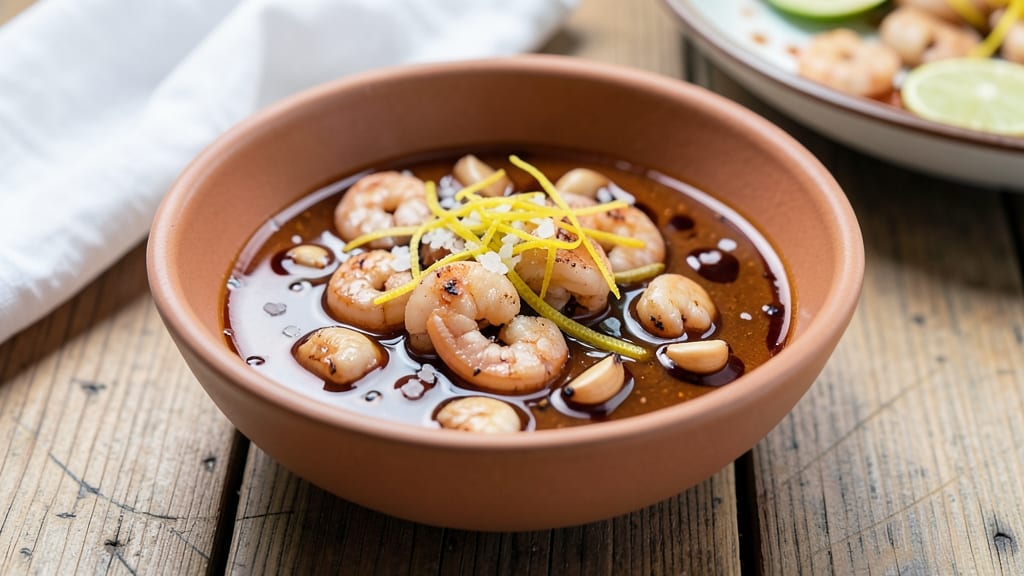
This Andoks sauce recipe transforms fermented shrimp into a vibrant, tangy-sweet condiment that elevates everything from grilled meats to fresh seafood. The balance of lime zest, fermented shrimp, and aromatic spices creates a sauce that's both complex and approachable—perfect for dipping, marinating, or drizzling.
I developed this version after years of experimenting with traditional recipes, refining the ratios to deliver bold flavor without overpowering the dish.
The process is straightforward but requires patience: simmering the fermented shrimp with vinegar, sugar, and a touch of soy sauce until the flavors meld into a glossy, aromatic sauce.
The key is reducing it slowly to concentrate the shrimp's umami depth while preserving the bright citrus notes from the lime zest. This sauce keeps well in the refrigerator for up to two weeks, making it a versatile pantry staple for quick meals.
What sets this Andoks sauce apart is its versatility—it works as a dipping sauce for spring rolls or grilled prawns, a marinade for tofu or chicken, or even a finishing drizzle over noodle dishes.
The fermented shrimp adds a salty, funky depth, while the lime zest keeps the profile fresh and lively. Once you taste the difference between this homemade version and store-bought alternatives, you'll never go back.
For best results, use high-quality fermented shrimp (available in Asian markets) and adjust the sweetness to taste—some prefer it slightly sweeter, others more tangy. Store in an airtight container in the fridge, and let it come to room temperature before serving to fully appreciate its aromatic complexity.
This is the kind of sauce that turns simple dishes into memorable meals.
Ingredients for andoks sauce
Nine simple ingredients transform fermented shrimp into a vibrant, tangy-sweet sauce perfect for dipping, marinating, or drizzling.
| Ingredient | Amount | Notes |
|---|---|---|
| Fermented Shrimp (Andoks or Kapi) 🦐 | 1 cup | High-quality, salted fermented shrimp |
| Rice Vinegar 🍶 | ¾ cup | White or seasoned variety |
| Granulated Sugar 🍚 | ½ cup | Adjust to taste for sweetness |
| Lime Zest 🍋 | 1 tbsp | Freshly grated lime zest |
| Light Soy Sauce 🥢 | ¼ cup | Kikkoman preferred |
| Garlic Cloves 🧄 | 4 cloves | Minced finely for depth |
| Fresh Ginger 🌿 | 1 tbsp | Grated finely for warmth |
| Red Chili Flakes 🌶️ | 1 tsp | Adjust for heat preference |
| Sesame Oil 🫒 | 1 tbsp | Toasted sesame oil for aroma |
| Water 💧 | ¼ cup | For thinning if needed |
Fermented shrimp is the heart of this sauce—look for bright, salty, and funky varieties at Asian markets. H Mart or 99 Ranch often carry high-quality options in the refrigerated section. Freshness matters here: if the shrimp smells overly pungent, it's past its prime. The lime zest should be vibrantly yellow, freshly grated—pre-grated zest loses its brightness fast. For the vinegar, seasoned rice vinegar adds subtle depth, but plain white works too. The garlic and ginger should be freshly minced—no pre-minced jars, trust me on this.
No fermented shrimp? Substitute with 1/4 cup fish sauce plus 1/2 cup water, but the funky depth won't be quite the same. Short on lime zest? Double the lime juice (1 tbsp) for brightness, though it won't have the same aromatic complexity. The sugar can be swapped for honey or coconut sugar, but granulated dissolves more smoothly. For heat, cayenne pepper at half the amount works if chili flakes are unavailable. The sesame oil is non-negotiable—it carries the sauce's signature aroma, so don't skip it even if you're not a fan of sesame flavors.
This sauce thickens as it cools, so thin with water if needed before serving. Store in an airtight container in the fridge for up to 2 weeks. The flavors deepen over time—let it sit at room temperature for 10 minutes before serving to fully appreciate its aromatic complexity. Portion into small jars for easy dipping or marinating. Freezes beautifully for 3 months, though texture may separate slightly upon thawing—just stir well before use.
Why You'll Love This Recipe
- Pantry Magic: I swear by this sauce because it uses ingredients I already have—no last-minute grocery runs. The fermented shrimp (andoks) adds that umami punch without needing fancy ingredients, and the rice vinegar cuts through the richness like a breeze.
- Tangy Umami Bomb: That first bite? The lime zest brightens the deep, funky-sweet notes from the sugar and soy, while the andoks deliver a salty, funky kick. It’s the kind of flavor that makes you reach for seconds without even thinking.
- Dip or Drizzle: Slather it on grilled pork, toss it with rice, or serve it as a dip for veggies—this sauce works everywhere. Honestly, I’ve used it in everything from quick stir-fries to lazy weekend brunch, and it never lets me down.
- Budget Stretch: A little goes a long way, and since the andoks are shelf-stable, I can make a big batch and keep it in the fridge for weeks. Between us, it’s my secret for turning cheap proteins into something special without breaking the bank.
Step-by-step instructions for balanced fermented shrimp sauce
This vibrant sauce delivers perfect harmony between umami richness and citrus brightness every time.
Prepare the Fermented Shrimp Base
Place the 1 cup fermented shrimp in a fine-mesh strainer and rinse under cold running water for 30 seconds. This removes excess salt while preserving the shrimp's concentrated flavor. Press gently with a rubber spatula to extract any remaining liquid—this helps balance the sauce's saltiness later.
Transfer the drained shrimp to a clean bowl and set aside. The shrimp should look plump and retain its deep pinkish-red color. If using high-quality Andoks, you'll notice a subtle funky aroma that's essential for authentic flavor. This isn't fishy—it's the signature fermented profile that makes Andoks sauce special.
Bloom the Aromatics
In a medium saucepan, combine the 0.75 cup rice vinegar, 0.5 cup granulated sugar, 1 tbsp lime zest, 0.25 cup light soy sauce, 4 cloves minced garlic, 1 tbsp grated ginger, and 1 tsp red chili flakes. Bring to a gentle simmer over medium-low heat, stirring constantly for 3-4 minutes until the sugar dissolves completely.
Watch for the first signs of color change—the mixture should transform from pale yellow to a rich amber hue. This indicates the sugar has fully incorporated and the aromatics are beginning to release their oils. The lime zest will bubble slightly, releasing its bright citrus notes that will cut through the richness of the fermented shrimp.
Incorporate the Fermented Shrimp
Reduce heat to low and add the prepared fermented shrimp along with the 1 tbsp sesame oil. Stir gently but continuously for 5 minutes, allowing the shrimp to soften and infuse the liquid with its deep umami character. You'll notice the sauce begin to thicken slightly as the shrimp breaks down.
The sesame oil should create a delicate sheen on the surface—this indicates proper integration. If the mixture appears too thick after 5 minutes, add 1-2 tablespoons of water (from your 0.25 cup reserve) to achieve a smooth, pourable consistency. The final texture should coat the back of a spoon but remain fluid enough to drizzle.
Simmer and Balance Flavors
Continue simmering for an additional 8-10 minutes until the sauce reduces by about 25% and the flavors meld completely. The aroma should now combine bright citrus, garlicky warmth, and a subtle funk from the fermented shrimp. Taste and adjust seasoning—add more lime zest for brightness, a touch of sugar to balance acidity, or a pinch of chili flakes if you prefer more heat.
This is where the magic happens: the rice vinegar's acidity should now play beautifully against the shrimp's umami, while the sugar prevents the flavors from becoming too sharp. The ginger and garlic provide depth without overpowering. If you used high-quality shrimp, you'll detect layers of complexity—almost like a sophisticated dipping sauce rather than a simple condiment.
Finish and Rest
Remove from heat and let the sauce cool to room temperature. This resting period allows the flavors to fully develop and settle. For best results, refrigerate for at least 1 hour before serving—this enhances the balance between the bright citrus and rich umami notes.
The sauce should now have a glossy sheen with visible shrimp particles suspended throughout. If you find it too thick after chilling, thin with the remaining water as needed. This versatile sauce works beautifully as a dipping sauce for spring rolls, a marinade for grilled meats, or a finishing sauce for noodle dishes—its complexity elevates simple preparations to restaurant quality.
Pro Tips For Making Andoks Sauce
- Rinse the Andoks Twice: Fermented shrimp is salty—trust me, I’ve drowned dishes in it. Give those little pink guys a quick rinse under cold water twice: once to loosen the salt, then a second time to actually remove it. Pat them dry afterward, or they’ll turn your sauce into a watered-down brine.
- Simmer, Don’t Boil: This sauce isn’t a race. Bring it to a gentle simmer—tiny bubbles, barely there—and let it cook for 8–10 minutes. Boiling it turns the rice vinegar harsh and the sugar grainy. I learned this after making a batch that tasted like vinegar punch.
- Toast the Lime Zest: Dry-toast the lime zest in a small pan over low heat for 30 seconds until fragrant. It’s a tiny step, but it deepens the citrus flavor without adding moisture. Skip it, and your sauce will taste flat—like someone forgot the lime entirely.
- Balance the Salt First: Taste the sauce before adding the soy sauce. The andoks and vinegar are already salty, and soy sauce is sneaky—add it too soon, and you’ll end up with a mouth-puckering mess. Start with half the recipe’s amount, then adjust. Your taste buds will thank you.
Storing and reheating this dish
Fridge Storage Tips
Store your Andoks sauce in an airtight glass container—I prefer mason jars because they preserve freshness and let you see the vibrant color. Keep it refrigerated at 40°F or below for up to 2 weeks.
The sauce thickens as it cools, so give it a gentle stir before each use. I like to portion it into smaller jars for easy dipping or marinating. 🥫
Freezing for Later
For longer storage, freeze the sauce in ice cube trays or small containers for 3 months. The texture may separate slightly upon thawing, but stir well and add a splash of water if needed.
Avoid freezing in large batches—small portions thaw faster and maintain better quality. Label with the date to track freshness. 🧊
Reheating Methods
For best results, reheat gently on the stovetop over low heat for 3-5 minutes, stirring constantly. Avoid microwaving as it can break down the delicate balance of flavors. If the sauce thickens too much, add 1-2 teaspoons of water to restore its original consistency.
Always bring it to room temperature before serving to fully appreciate its aromatic complexity. 🔥
Reviving Stale Sauce
If your sauce loses some brightness after refrigeration, revive it by adding ½ teaspoon of fresh lime zest or a splash of rice vinegar. Warm it gently on the stove for 2 minutes to reawaken the flavors.
Never reheat directly from the fridge—always let it sit at room temperature for 10 minutes first to prevent condensation. This simple step makes all the difference! ✨
Portion Control
Use small ramekins or silicone molds for individual portions—perfect for dipping sauces or marinades. These containers also work great for freezing. When reheating, just pop the portion you need into a small saucepan and warm through. This method keeps the rest of your sauce untouched and fresh. 🍽️
Nutrition facts
Frequently asked questions
What's the best way to use fermented shrimp in Andoks sauce?
Rinse the fermented shrimp under cold water for 30 seconds to remove excess salt, then press gently to extract liquid. This balances the sauce's saltiness without losing the shrimp's deep umami flavor. The shrimp should look plump and retain its pinkish-red color—this ensures authentic funkiness without fishiness.
Can I make Andoks sauce without fermented shrimp?
Yes! Substitute with ¼ cup fish sauce plus ½ cup water, but the result will lack the signature funky depth. For a closer alternative, try 1 tbsp shrimp paste (like belacan) mixed with 2 tbsp water. The texture will differ, but the umami remains. The lime zest and vinegar will still provide the bright tang.
How do I adjust the sweetness or heat level?
For sweetness, add sugar 1 tablespoon at a time while simmering. For heat, increase chili flakes by ½ teaspoon increments. Taste after 5 minutes of simmering to avoid overcorrecting. The sauce thickens as it cools, so adjustments are easier when warm.
Why does my Andoks sauce look cloudy?
Cloudiness usually means the sugar didn't fully dissolve or the sauce wasn't reduced enough. Simmer for an extra 3-5 minutes to thicken it, or whisk in 1 teaspoon of cornstarch mixed with 1 tbsp water to clarify. Straining through a fine-mesh sieve after cooking also helps. The sauce should be glossy with visible shrimp particles.
What are the best dishes to pair with Andoks sauce?
This versatile sauce shines as a dipping sauce for spring rolls or grilled prawns, a marinade for tofu or chicken skewers, or a finishing drizzle over noodle dishes like pad thai. Its bright citrus and umami balance also complement steamed rice or fresh summer rolls. For extra depth, let it sit at room temperature for 10 minutes before serving.