
Sauces & Condiments
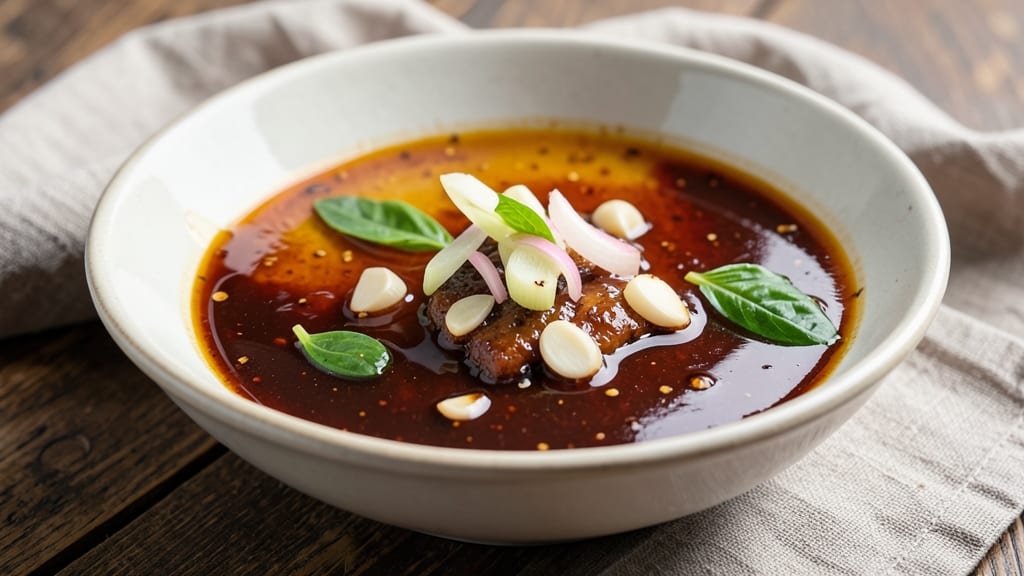
This Asian rib sauce recipe transforms barbecue into a flavor explosion with its perfect balance of smoky-sweet glaze and fermented shrimp heat. 🔥 The secret lies in combining traditional Asian pantry staples—soy sauce, hoisin, and honey—with fresh garlic, ginger, and a touch of chili for depth.
I developed this sauce after years of experimenting with different rib glazes, and it consistently delivers that restaurant-quality finish you crave.
The sauce works as a marinade, basting glaze, or dipping sauce, giving your ribs that signature sticky-sweet crust with a subtle kick. What sets this apart is the fermented shrimp paste, which adds umami complexity that store-bought sauces simply can't match.
The ingredients are simple, but the flavor profile is anything but basic—smoky from the soy, sweet from the honey, and tangy from the fermented shrimp.
What you'll end up with is a glossy, aromatic sauce that caramelizes beautifully on ribs while keeping them tender. The best part? It's incredibly versatile—use it for ribs, chicken, or even as a dipping sauce for dumplings.
Once you try this, your go-to BBQ sauce will never be the same again.
Store any leftovers in an airtight container in the fridge for up to 2 weeks, or freeze for longer storage. This sauce is a game-changer for anyone looking to elevate their grilling game with minimal effort. Let's get started!
Ingredients for asian rib sauce
Nine simple ingredients create this restaurant-quality rib sauce with smoky-sweet depth.
| Ingredient | Amount | Notes |
|---|---|---|
| Light Soy Sauce 🍶 | ½ cup | High-quality, low-sodium preferred |
| Hoisin Sauce 🍶 | ¼ cup | Thick, authentic brand for best texture |
| Honey 🍯 | 0.35 cup | Wildflower or clover for depth |
| Fermented Shrimp Paste 🦐 | 2 tbsp | Kapi or belacan for umami punch |
| Fresh Garlic Cloves 🧄 | 4 cloves | Minced, not pre-minced jarred |
| Fresh Ginger Root 🧅 | 2 tbsp | Finely grated, not powdered |
| Red Chili Flakes 🌶️ | 1 tbsp | Adjust for preferred heat level |
| Sesame Oil 🫒 | 1 tbsp | Toasted, not flavored |
| Rice Vinegar 🍶 | 2 tbsp | White or seasoned variety |
| Brown Sugar 🍚 | ¼ cup | Light or dark, packed |
The fermented shrimp paste is non-negotiable—Kapi or belacan from an Asian market adds that authentic umami depth you won't find in store-bought sauces. Trader Joe's or H Mart carry good options, but if you can't find it, anchovy paste at half the amount works in a pinch (though it's not quite the same). For the soy sauce, Kikkoman light soy is my go-to, but any high-quality brand works. The ginger and garlic? Freshly grated and minced make all the difference—jarred minced garlic has a metallic aftertaste. Pro tip: Toast your sesame oil in the pan first to deepen its flavor before adding other ingredients.
No fermented shrimp paste? Anchovy paste or fish sauce at half the amount can mimic the umami, but it won't be identical. Swap hoisin for gochujang at one-third the amount if you want more heat. The honey can be replaced with maple syrup for a vegan option, though it'll taste slightly different. For a smoother sauce, blend everything until silky—immersion blender works best to avoid splatter. If you're making this ahead, reduce the rice vinegar by half to prevent the sauce from separating during storage. The brown sugar can be swapped for white sugar or coconut sugar, but brown adds that caramelized depth when caramelizing on ribs.
This sauce keeps beautifully—2 weeks in the fridge in an airtight container, or 6 months frozen if you make a big batch. For freezing, portion into ice cube trays, then transfer to a bag for easy single-use servings. The sauce thickens as it cools, so add 1-2 tbsp water if it seems too stiff after refrigeration. I like to keep a jar in the fridge at all times—it's perfect for quick glaze-ups on the grill or as a dipping sauce for dumplings. The flavors actually improve after a day or two as everything melds together, so make it the night before if you can.
Why You'll Love This Recipe
- Pantry Magic: I swear by this sauce because it lives in my fridge, ready to transform anything—no fancy shopping required. Light soy, hoisin, and honey are my go-to staples, and the fermented shrimp paste (yes, it smells bold) adds that unmistakable umami punch without needing a specialty store.
- Garlic Bomb: That first minced garlic sizzle in the pan? It’s the moment this sauce becomes irresistible. The cloves caramelize just enough to balance the sweetness of the honey and the funk of the shrimp paste—like a flavor hug in every bite.
- Weeknight Swiss Army Knife: Slather it on ribs, drizzle it over noodles, or toss it with stir-fried veggies—this sauce doesn’t judge. I’ve used it for everything from lazy Tuesday takeout to Sunday dinner leftovers, and it never lets me down. (Between us, it’s my secret weapon for boring meals.)
- Budget Flavor Multiplier: A little goes a long way, and this sauce costs pennies to make. The shrimp paste might sound pricey, but a tiny amount stretches across multiple meals, and the rest of the ingredients? Basic. Honestly, I’ve made a full batch for under $5 and still had sauce left for my neighbor’s potluck.
Step-by-step instructions for Asian rib sauce
This smoky-sweet glaze builds layer by layer—balance is everything.
🍳 Step 1: Bloom the Fermented Shrimp Paste
Heat a small saucepan over medium-low heat and add the 1 tablespoon sesame oil. Once shimmering but not smoking, add the 2 tablespoons fermented shrimp paste—this is where the magic starts. Stir constantly for 1-2 minutes until the paste dissolves completely and releases its deep, funky aroma. You'll notice the oil turn cloudy as the paste breaks down.
Don't rush this step. The shrimp paste carries the umami backbone of the sauce, and proper blooming prevents a raw, fishy aftertaste. If it starts to darken too quickly, reduce heat immediately—you're aiming for a rich brown color, not burnt bits. Once fully incorporated, remove from heat and set aside.
👨🍳 Step 2: Build the Sweet-Savory Base
Return the pan to medium heat and add 0.25 cup brown sugar and 0.35 cup honey. Stir until the sugar dissolves completely, then pour in 0.5 cup light soy sauce and 0.25 cup hoisin sauce. Bring to a gentle simmer, then reduce heat to low and let it cook uncovered for 5-7 minutes, stirring occasionally.
Watch for the sauce to thicken slightly and develop a glossy sheen—this indicates the sugars are caramelizing. You'll smell that perfect balance of sweetness and savory depth. If it starts to stick, add 1 tablespoon water to loosen it. The sauce should coat the back of a spoon smoothly without being syrupy.
🍳 Step 3: Add Aromatics and Acid
Push the mixture to one side of the pan and add 1 tablespoon sesame oil (yes, another tablespoon—this ensures proper aromatics). Add the 4 cloves minced fresh garlic cloves and 2 tablespoons finely grated fresh ginger root. Sauté for 1-2 minutes until fragrant but not browned—you want the garlic to perfume the sauce without bitterness.
Stir everything together, then add 2 tablespoons rice vinegar and 1 tablespoon red chili flakes. The vinegar brightens the flavors while the chili flakes add subtle heat. Let the mixture simmer for another 3-4 minutes until the aromatics meld completely. Taste and adjust seasoning—you might need a pinch more soy sauce for saltiness or honey for sweetness.
⏰ Step 4: Finish and Strain
Remove from heat and let the sauce rest for 5 minutes—this allows the flavors to settle. Then, strain through a fine-mesh sieve into a clean bowl to remove any ginger or garlic bits. The sauce should now be silky smooth with a perfect balance of sweet, salty, umami, and heat.
For best results, use immediately on ribs or store in an airtight container in the refrigerator for up to 2 weeks. When reheating, warm gently over low heat and stir occasionally to maintain consistency. This sauce transforms ordinary ribs into restaurant-worthy masterpieces—trust the process!
Pro Tips For Making Asian Rib Sauce
- Bloom the Garlic First: Toss minced garlic into the pan with a splash of water and let it sizzle for 30 seconds before adding anything else. This softens the harshness and prevents that bitter aftertaste—trust me, your sauce won’t taste like a garlic factory explosion.
- Low and Slow with Heat: Simmer the sauce on actual low heat after the initial sear. I used to rush it, and the shrimp paste would burn before the flavors melded. Give it 10 minutes of gentle bubbling—patience here means the difference between "good" and "restaurant-quality."
- Balance the Honey Last: Stir in the honey only in the final 2 minutes of cooking. Too early, and it’ll caramelize into a sticky mess that throws off the sauce’s balance. Add it when the other flavors are already singing—this keeps the sweetness bright, not cloying.
- Strain the Shrimp Paste: If your shrimp paste is chunky, press it through a fine-mesh sieve before mixing. I learned this after serving a sauce with visible bits—it looks unprofessional and distracts from the smooth umami. A quick press guarantees a silky texture without extra work.
Best sauces and condiments for this recipe
Classic Pairings
This sauce shines brightest when paired with slow-smoked ribs—especially St. Louis-style or baby back ribs—where its sticky-sweet glaze caramelizes beautifully. I like to brush it on during the last 15 minutes of smoking at 225°F for that perfect balance of smoky depth and glossy sheen. 🔥
For a quick weeknight meal, toss grilled chicken thighs in this sauce during the last 5 minutes of cooking. The fermented shrimp paste adds umami that cuts through the richness of the meat. A sprinkle of toasted sesame seeds right before serving adds extra texture.
Dipping Sauce Magic
Serve this sauce as a dipping sauce for spring rolls, dumplings, or grilled shrimp skewers. Its sweet-savory profile contrasts perfectly with the crispy textures of fried foods. I often keep a small bowl on the table when hosting—it disappears fast! 🌟
For a fusion twist, drizzle it over pork belly slices or tofu before roasting. The sauce clings to the edges, creating a caramelized crust while keeping the interior tender. A squeeze of lime after cooking brightens the flavors even more.
Sauce Variations
Need a spicier kick? Add 1 extra tablespoon of red chili flakes or a dash of Sichuan chili bean paste for a numbing heat effect. For extra richness, stir in 1 tablespoon of peanut butter at the end—it sounds weird, but it works! 🌶️
For a lighter version, replace half the honey with rice vinegar (reduce to 2 tablespoons total) and add 1 teaspoon of grated lime zest for brightness. This version pairs perfectly with grilled fish or shrimp tacos.
Storage Secrets
Store leftovers in an airtight container in the fridge for up to 2 weeks. The sauce thickens as it cools, so add 1-2 tablespoons of water before reheating to restore consistency.
I like to portion it into ice cube trays for easy single-use servings—just pop one into a small saucepan and warm gently. ❄️
For longer storage, freeze the sauce in silicone molds or small jars. Thaw overnight in the fridge and stir well before using. The flavors actually improve after freezing, becoming more concentrated and complex.
Nutrition facts
Frequently asked questions
Can I make this sauce without fermented shrimp paste?
Yes! While fermented shrimp paste adds authentic umami depth, you can substitute 1 tablespoon anchovy paste or 1 teaspoon fish sauce for a similar flavor profile. For a vegetarian option, use 1 tablespoon soy sauce plus 1/2 teaspoon mushrooms powder to mimic the savory notes.
How spicy is this sauce, and can I adjust the heat?
The recipe includes 1 tablespoon red chili flakes for mild heat, but you can easily adjust. For more kick, add 1 extra tablespoon or swap in 1 teaspoon Sichuan chili bean paste for a numbing-spicy effect. For no heat, simply omit the chili flakes entirely.
What's the best way to use this sauce on ribs?
For ribs, apply the sauce during the last 15-20 minutes of cooking at 225°F to prevent burning. Brush generously and let it caramelize for that glossy finish. For extra flavor, marinate the ribs in half the sauce for 1-2 hours before cooking, then use the remaining half as a glaze.
Will this sauce work for non-pork proteins?
This versatile sauce works beautifully on chicken, shrimp, tofu, or even grilled vegetables. For seafood, reduce the soy sauce by 1 tablespoon to avoid over-salting. The fermented shrimp paste actually enhances seafood dishes by complementing their natural flavors.
Why did my sauce separate after refrigerating?
Sauce separation usually happens when the natural oils and liquids separate, which is normal. Simply stir in 1-2 tablespoons of warm water and whisk vigorously to restore consistency. For prevention, store the sauce in a glass jar (not plastic) and avoid freezing if you notice this issue.