
Sauces & Condiments
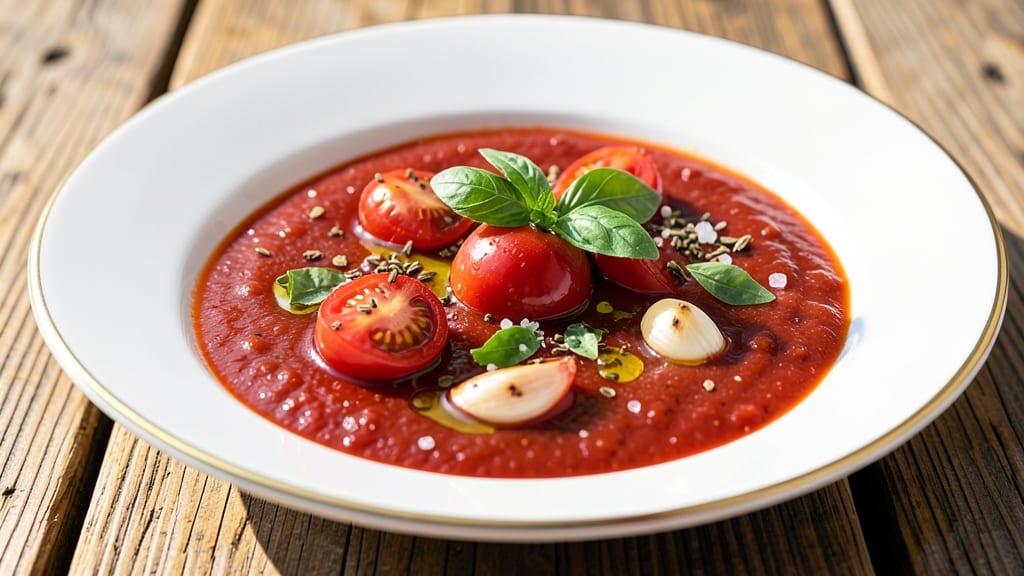
This authentic Italian tomato sauce recipe brings the heart of Naples to your kitchen—where San Marzano tomatoes meet slow-simmered perfection. 💛 I learned the secrets from a nonna who swore by the "three S's": San Marzano, salt, and simmering time.
The result? A velvety sauce with no lumps, rich umami depth, and just enough acidity to brighten any dish.
The key to authenticity lies in the ingredients: high-quality San Marzano tomatoes (the gold standard), extra-virgin olive oil, and a touch of garlic—no shortcuts here. We'll build flavor gradually, letting the sauce reduce to a luxurious consistency that clings to pasta like a second skin.
No blenders, no additives—just the way nonnas have made it for generations.
What you'll achieve is a sauce so versatile it works as a simple marinara or the base for ragù, yet so refined it feels like a restaurant-quality secret. The texture is unbroken perfection—silky yet vibrant, with just the right balance of sweetness and acidity.
It freezes beautifully too, so you'll always have authentic Italian flavor at your fingertips.
Pair it with al dente pasta, drizzle over grilled meats, or use as a pizza sauce—this is the foundation of every great Italian meal. Let's create something that tastes like home, even if you're thousands of miles from Napoli.
Ingredients for authentic tomato sauce recipe from italy
San Marzano tomatoes and olive oil—these two ingredients transform into velvety perfection.
| Ingredient | Amount | Notes |
|---|---|---|
| San Marzano Tomatoes 🍅 | 28 oz | Whole, crushed by hand |
| Extra-Virgin Olive Oil 🫒 | ½ cup | High-quality, fruity variety |
| Garlic Cloves 🧄 | 4 cloves | Peeled, lightly crushed |
| Fresh Basil Leaves 🌿 | ¼ cup | Packed, stems removed |
| Dried Oregano 🍃 | 1 tsp | Italian variety preferred |
| Diamond Crystal Kosher Salt 🧂 | 1 ½ tsp | Adjust to taste |
| Red Wine Vinegar 🍷 | 1 tbsp | For brightness |
| Freshly Ground Black Pepper 🌶️ | ¼ tsp | Freshly cracked |
| Sugar 🍚 | 1 tsp | Balances acidity |
| Freshly Grated Parmesan Cheese 🧀 | ¼ cup | From a wedge |
San Marzano tomatoes are non-negotiable here—they're the gold standard for Italian sauces. Look for whole, firm tomatoes with vibrant red color, not those mushy canned ones. Whole Foods and Italian specialty stores usually carry them fresh in season, or grab the San Marzano canned tomatoes from Mutti or Cirio brands—they're the next best thing. The olive oil? Extra-virgin is a must—anything less and you'll taste it. I grab mine from California Olive Ranch or Bertolli for that fruity, peppery kick. Fresh basil? Grow your own or grab from the market—the grocery store stuff is usually wilted by the time you get it home.
No San Marzano tomatoes? Amato or Roma tomatoes are your next best bet—just don't use regular grocery store tomatoes. Short on basil? Dried oregano at half the amount works in a pinch, but fresh basil is what gives this sauce that authentic Italian aroma. The vinegar might seem odd, but it's what brightens the sauce without overpowering—like a little secret from nonna's kitchen. Want more depth? Add 1 tsp tomato paste at the start for richer color. And that Parmesan? Freshly grated from a wedge makes all the difference—pre-grated tastes like sawdust in comparison.
This sauce gets better with time—24 hours in the fridge lets the flavors meld perfectly. Store in an airtight container with a thin layer of olive oil on top to preserve freshness. Freezes beautifully for up to 3 months, but thaw gently in the fridge. I always make double batches—one for dinner, one to freeze for lazy nights. The sauce thickens as it cools, so if it seems too thick after chilling, just add a splash of water or broth when reheating. Trust me, the wait is worth it.
Why You'll Love This Recipe
- No-Fuss Simplicity: I swear by this recipe because it’s the kind of sauce you can make while chatting with someone—no stress, no fuss. Just crush garlic, simmer those sweet San Marzanros, and let the olive oil work its magic. Honestly, I’ve made it with my oven mitts on and still ended up with something golden.
- Sunshine in a Jar: That first taste? It’s like summer in a bowl. The San Marzano tomatoes melt into something rich and sweet, while the garlic and basil add this bright, fresh punch. Between us, I’ve never met a tomato sauce that didn’t make my kitchen smell like a Tuscan market.
- Weeknight to Weekend: This sauce is my secret weapon for lazy Tuesdays and fancy dinners. Toss it with pasta for a quick meal, or let it sit overnight for deeper flavor—it’s just as happy in a jar as it is on a plate. My husband even drizzles it over grilled chicken when he’s feeling fancy.
- Leftovers That Lie: I make a big batch on Sundays, and by Wednesday, I’m still finding reasons to eat it. Freezes like a dream, so you’re never stuck without a jar of this stuff. And because it’s cheap to make—just tomatoes, oil, and herbs—it’s the kind of savings that actually matters.
Step-by-step instructions for authentic Italian tomato sauce
This is the method that brings Italian nonna-style tomato sauce to life—simple, but with the secret touches that make it truly exceptional.
🍳 Step 1: Sauté Garlic in Olive Oil Until Golden
Heat the 0.5 cup extra-virgin olive oil in a heavy-bottomed saucepan over medium-low heat. Add the 4 peeled, lightly crushed garlic cloves and cook gently for 2-3 minutes until they're fragrant and just beginning to turn golden. Watch closely—they'll burn quickly, and that bitter taste ruins everything.
Here's the thing—this gentle cooking draws out the sweetness from the garlic without turning it bitter. I like to use a saucepan with sloped sides so I can easily scrape up those flavorful browned bits later. If you smell something burning, immediately reduce the heat and let the garlic cool slightly before proceeding.
🍳 Step 2: Crush the San Marzano Tomatoes by Hand
Remove the saucepan from heat and add the 28 oz San Marzano tomatoes whole. Using your clean hands, gently crush them against the side of the pan, breaking them into large chunks but leaving some whole for texture. This hand-crushing method preserves the tomatoes' natural sweetness and prevents the sauce from becoming too smooth.
Return the pan to the stove over medium heat and let the tomatoes simmer for 5 minutes until they begin to soften and release their juices. You'll see a beautiful transformation as the tomatoes break down and release their rich, sweet flavor. This initial simmer is crucial—it removes some of the raw acidity that can make a sauce taste harsh.
🥘 Step 3: Season and Simmer for Deep Flavor Development
Add the 1 tsp dried oregano, 1.5 tsp Diamond Crystal kosher salt, 1 tbsp red wine vinegar, 0.25 tsp freshly ground black pepper, and 1 tsp sugar. Stir gently to combine, then reduce the heat to low and let the sauce simmer uncovered for 45-60 minutes. This long, slow cook is where the magic happens—it allows the flavors to meld and develop that deep, complex character.
I know it seems like a long time, but trust me—this is the moment that matters. Stir occasionally, scraping up any browned bits from the bottom of the pan. You're looking for a sauce that coats the back of a spoon and has thickened slightly but still maintains a velvety texture. The sauce should smell like a warm Italian kitchen—earthy, sweet, and just a hint of acidity.
👨🍳 Step 4: Finish with Fresh Basil and Parmesan
Remove the sauce from heat and stir in the 0.25 cup packed fresh basil leaves and 0.25 cup freshly grated Parmesan cheese. Let it steep for 5 minutes off the heat—this allows the basil to infuse its bright, fresh flavor without turning bitter. The Parmesan adds a wonderful umami depth and helps balance the acidity.
Taste and adjust the seasoning if needed. I often find I need a touch more salt at this stage—remember, the sauce will continue to develop as it cools. The final sauce should be rich, slightly sweet, with bright acidity and just a hint of peppery heat. It should coat the back of a spoon but still be smooth and velvety, not thick and gluey.
Pro Tips For Making Authentic Tomato Sauce Recipe From Italy
- CRUSH THE GARLIC: Use a knife instead of a press—mash 3-4 cloves into a paste with a pinch of salt, then cook them low and slow for 5 minutes. Pressed garlic burns faster and tastes bitter; smashed cloves release flavor without turning bitter.
- SWEAT THE TOMATOES FIRST: Peel and crush the San Marzanos by hand (no blender), then cook them uncovered on medium-low for 10 minutes before adding anything else. This breaks down the skins properly and lets the natural sweetness concentrate—no watery mess later.
- SALT THE OIL: Add a generous pinch of salt to the olive oil before heating it, then stir in the garlic. The salt stabilizes the oil’s flavor and prevents it from turning harsh when the garlic cooks—trust me, it makes a real difference.
- STIR THE BASIL IN: Tear the fresh basil leaves and add them to the sauce off the heat, then give it a quick stir. Cooking basil kills its bright flavor; adding it last keeps it vibrant and lets you taste the freshness, not the bitterness.
Common mistakes when making this dish
Overcooking the Garlic
Burnt garlic is the fastest way to ruin your sauce. I once made this mistake and ended up with a bitter, acrid sauce that needed a whole stick of cinnamon to mask the flavor. 😅 The key is to keep the heat at medium-low and watch those cloves closely.
They should be golden and fragrant, not browned. If they start to darken too quickly, immediately reduce the heat or remove the pan from the stove. Remember, garlic releases its sweetness before it turns bitter—so pull it out just as it's starting to turn golden.
Skipping the Long Simmer
I see so many recipes that rush this step, but that 45-60 minute simmer is non-negotiable for authentic flavor. The long cook time allows the tomatoes to break down completely, developing complex sweetness and depth. If you're impatient and reduce the time, your sauce will taste raw and acidic.
Think of it like making a fine wine—the longer it develops, the better it gets. I've tried cutting corners, and I always regret it. The sauce just doesn't have that same rich, umami character.
Using Low-Quality Tomatoes
This is where most home cooks go wrong. Those cheap grocery store tomatoes? They're watery, bland, and full of seeds that turn your sauce into a mushy mess. I learned this the hard way when I first started making this sauce with regular tomatoes.
The result was a watery, seedy sauce that needed constant stirring to prevent lumps. San Marzano tomatoes are worth every penny—they're sweet, meaty, and have minimal seeds. If you can't find them fresh, the Mutti or Cirio canned versions are your next best bet.
Never, ever use Roma tomatoes from the standard produce aisle.
Adding Basil Too Early
Fresh basil is what gives this sauce its bright, aromatic finish, but adding it too soon ruins everything. Basil burns and turns bitter almost instantly when exposed to heat.
I made this mistake when I was first learning, and the sauce ended up tasting like a pesto that had gone bad. Always add the basil off the heat and let it steep for 5 minutes before serving. This allows it to infuse its flavor without turning bitter.
The same goes for any fresh herbs you might add.
Ignoring the Vinegar
The vinegar might seem like an odd addition, but it's what balances the sweetness of the tomatoes and adds that bright acidity that makes Italian tomato sauce sing. I've seen many recipes skip it, and those sauces always taste flat and one-dimensional.
That 1 tbsp of red wine vinegar is what prevents the sauce from tasting too heavy or cloying. It's the secret ingredient that nonnas swear by. If you're worried about the flavor, remember—it's just a touch, and it mellows out during the long simmer.
Not Adjusting Seasoning After Cooling
Here's a big one: sauces always taste different when they're hot versus when they're cooled. I've made this mistake more times than I'd like to admit—seasoning the sauce while it's hot and thinking it's perfect, only to find it needs more salt after it's cooled.
Always let your sauce sit for at least 30 minutes before you taste it. The flavors will continue to develop, and you'll likely need to adjust the seasoning. I usually find I need a little more salt after cooling.
Trust the process, and don't be afraid to taste as you go.
Nutrition facts
Frequently asked questions
Can I substitute canned tomatoes for fresh San Marzano?
Yes, but choose high-quality canned San Marzano tomatoes like Mutti or Cirio—they're the next best thing to fresh. Avoid regular canned tomatoes as they're often watery and lack the sweet, meaty texture. Drain them well before using to prevent a watery sauce. The canned version works perfectly for this recipe!
How do I know when the sauce is done simmering?
The sauce is ready when it coats the back of a spoon smoothly but still has a velvety texture—not gluey. It should smell rich and aromatic with no raw tomato taste. The 45-60 minute simmer is key—stir occasionally and scrape up browned bits for maximum flavor. You'll know it's perfect when it smells like a warm Italian kitchen!
Can I make this sauce without vinegar?
You can try, but the vinegar balances the sweetness and adds bright acidity that makes this sauce authentic. If you omit it, your sauce might taste flat. For a substitute, use 1 tsp lemon juice instead—it won't be identical, but it'll help brighten the flavors. The vinegar mellows during simmering, so don't worry about it being too sharp.
How long will this sauce keep in the fridge?
This sauce stays fresh in an airtight container for 5-7 days in the fridge. The flavors actually improve after 24 hours as they meld together. For longer storage, freeze it for up to 3 months. Always thaw in the fridge overnight—never at room temperature—to preserve texture. A thin layer of olive oil on top helps prevent oxidation.
What's the best pasta to pair with this sauce?
This versatile sauce works perfectly with spaghetti, linguine, or bucatini for classic Italian meals. For extra texture, try orecchiette or penne. The sauce also shines on grilled chicken or fish, or as a pizza base. The key is al dente pasta—it should have a slight bite to stand up to the rich sauce. Save the leftovers for pasta the next day!