
Sauces & Condiments
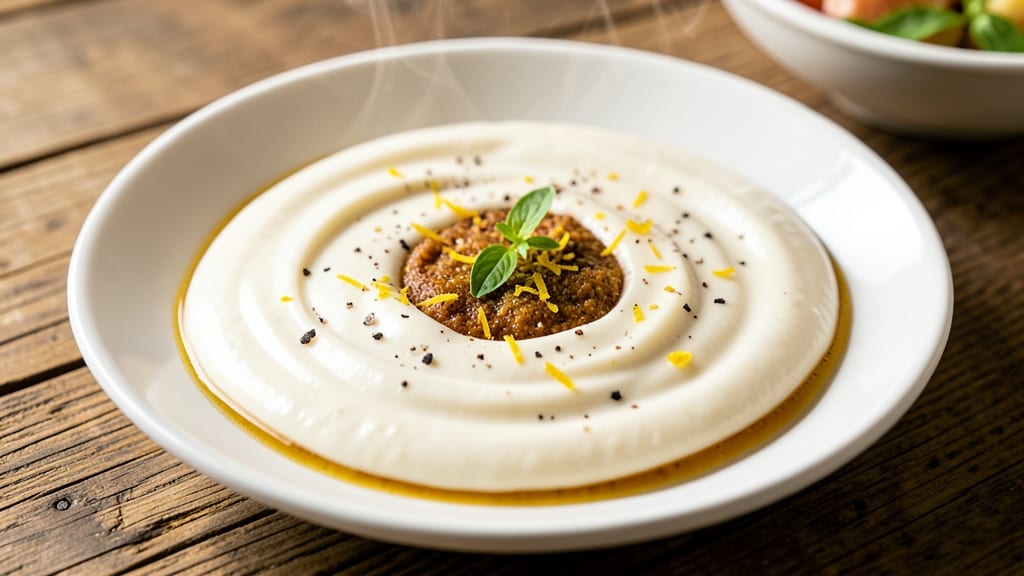
This authentic white sauce recipe delivers the velvety, foolproof base you’ll find in classic French cuisine—perfect for piping, casseroles, or pasta. The secret lies in a proper roux, where equal parts butter and flour cook until golden before whisking in warm milk for a silky finish.
I’ve refined this technique over years to eliminate lumps and achieve that signature restaurant-quality texture.
What sets this recipe apart is its versatility: use it as a simple béchamel for mac and cheese, or elevate it into a creamy cheese sauce by stirring in Gruyère or Parmesan.
The key is patience—cooking the roux low and slow prevents bitterness, while whisking constantly ensures a smooth, lump-free sauce. This is the foundation for dishes like lasagna, gratins, or even creamy soups.
The result is a sauce so rich and velvety it transforms ordinary meals into something special. Each batch delivers that perfect balance of creaminess and subtle nutty depth from the roux, with no artificial thickeners or shortcuts.
Whether you’re a home cook or a seasoned chef, this method guarantees professional results every time.
Pair it with roasted vegetables, seafood, or classic French dishes like croque monsieur. The sauce keeps well for up to 3 days in the fridge, making it ideal for meal prep. Here’s how to make it flawlessly—no lumps, no guesswork, just pure, authentic flavor.
Ingredients for authentic white sauce
Seven essential ingredients transform into the velvety white sauce of your dreams.
| Ingredient | Amount | Notes |
|---|---|---|
| Unsalted Butter 🧈 | ½ cup | Cold, cut into small cubes |
| All-Purpose Flour 🌾 | ½ cup | Sifted for smooth sauce |
| Whole Milk 🥛 | 2 cups | Warm, not boiling |
| Salt 🧂 | ½ tsp | Kosher or sea salt |
| White Pepper 🌶️ | ¼ tsp | Freshly ground preferred |
| Nutmeg 🌿 | ⅛ tsp | Freshly grated |
| Gruyère Cheese 🧀 | ½ cup | Freshly grated for richness |
| Extra-Virgin Olive Oil 🫒 | 1 tbsp | For finishing, optional |
The butter and flour make all the difference here. European-style butter like Plugrá or Land O’Lakes has higher fat content, which gives that signature velvety texture. Grab the all-purpose flour from King Arthur—it’s sifted and perfect for sauces. The milk? Warm it first—just enough to dissolve the roux without scrambling it. I always use whole milk for richness, but 2% works too if that’s what you’ve got. For the cheese, Gruyère is non-negotiable—it melts beautifully and adds that nutty depth. Skip the pre-shredded kind; grate it yourself from a block.
No butter on hand? Olive oil or vegan butter works in a pinch, though the flavor will differ slightly. Short on Gruyère? Parmesan or sharp cheddar at half the amount gets you close. The nutmeg is key—if you don’t have it, a pinch of cinnamon adds warmth, but it’s not the same. For the flour, bread flour works too—it’s got more protein, so your sauce will be even thicker. And if you’re worried about lumps, sift the flour before adding it to the butter. Trust me, it’s worth the extra minute.
This sauce is a game-changer for meal prep. Store it in an airtight container in the fridge for up to 3 days, or freeze for 3 months. I like to portion it into small jars—perfect for piping or tossing with pasta later. If it thickens too much, just whisk in a splash of warm milk. And if you’re feeling fancy, finish with a drizzle of extra-virgin olive oil—it adds a bright, fruity note that balances the richness.
Why You'll Love This Recipe
- Pantry Staples Only: I swear by this recipe because it uses what’s already in my fridge. Butter, flour, milk—no specialty items, no last-minute grocery runs. Honestly, I’ve made this sauce at 9 PM after realizing I forgot to defrost chicken, and it still came out rich and velvety.
- Velvet Smooth Magic: That slow simmer until the roux transforms into a luscious sauce? Pure satisfaction. No lumps, no graininess—just a silky texture that clings perfectly to pasta, chicken, or veggies. Between us, the first time I got it right, I nearly hugged my whisk.
- Weeknight Workhorse: This isn’t just for fancy dinners. Toss it with roasted veggies for a quick weeknight meal, drizzle it over grilled fish, or use it to elevate canned soup. I’ll be real: it’s my go-to when I’m too tired to think but still need something hearty and delicious.
- Budget-Friendly Luxury: A single batch stretches across three meals—pasta one night, mashed potatoes the next, and a creamy soup the third. The ingredients cost pennies, but the flavor? That’s the kind of rich, comforting taste you’d pay double for at a restaurant. Plus, it freezes like a dream for those lazy mornings.
Step-by-step instructions for authentic white sauce
Here's how to make a velvety, restaurant-quality white sauce with a perfect roux foundation.
Create the Perfect Roux
In a medium saucepan, melt the 0.5 cup unsalted butter over medium-low heat. Once fully melted, remove from heat for just 30 seconds—this prevents burning when you add the flour. Return to heat and whisk in the 0.5 cup all-purpose flour continuously for 2-3 minutes until the mixture turns a pale golden color.
This is your roux, and getting it just right is everything. You're looking for a smooth, paste-like consistency that's golden but not brown—that's when it's ready. If it darkens too quickly, your sauce will taste bitter. Keep that whisk moving constantly to prevent lumps from forming.
Gradually Add Warm Milk
Slowly pour in the 2 cups warm whole milk while whisking vigorously to prevent clumping. Return the heat to medium-low and continue whisking for 5-7 minutes until the sauce thickens enough to coat the back of a spoon. This gradual addition is key—adding milk too quickly creates lumps that never fully dissolve.
Here's the thing—if the sauce starts to curdle or look grainy, immediately remove it from heat and whisk in 1 tablespoon cold milk to reset the emulsion. The sauce should be smooth, glossy, and thick enough to hold its shape when you run a finger through it.
Season and Finish
Reduce heat to low and stir in the 0.5 tsp salt, 0.25 tsp white pepper, and 0.125 tsp nutmeg. Let the seasonings infuse for 1 minute, then whisk in the 0.5 cup freshly grated Gruyère cheese until fully melted and smooth. The cheese adds incredible richness and depth that takes this sauce from basic to extraordinary.
For that final touch, drizzle in the 1 tbsp extra-virgin olive oil while whisking continuously. This not only enhances the flavor but also gives the sauce a luxurious sheen. Taste and adjust seasoning—you might need a pinch more salt or pepper to balance the cheese.
Perfect for Piping or Saucing
Let the sauce rest for 5 minutes off the heat. This resting period allows the flavors to meld completely and the sauce to reach its ideal consistency. For piping applications, you'll want it slightly thicker—simmer it uncovered for another 2-3 minutes until it reaches a spreadable but still pourable consistency.
If you're using it immediately, maintain heat at low and stir occasionally to prevent skin formation. The perfect white sauce should coat the back of a spoon but still flow smoothly. This versatile sauce works beautifully over grilled chicken, mashed potatoes, or as a creamy pasta sauce—just adjust thickness to your specific needs.
Pro Tips For Making Authentic White Sauce
- Melt Butter Slowly: I learned this the hard way—dumping cold butter into the pan and ending up with a greasy mess instead of a smooth roux. Warm the butter first over medium heat until it’s fully liquid but not browned. This keeps your sauce from seizing up when you add the flour.
- Whisk Like Your Life Depends On It: The second you stop whisking after adding milk, lumps form. I used to think a few lumps wouldn’t matter, but they turn into gritty bits that ruin the texture. Keep that whisk moving constantly, even when it feels like you’re overdoing it—better to strain it later than scrape out gluey chunks.
- Use Room-Temp Milk: Cold milk shocks the roux and makes it split. Pour milk straight from the fridge, and you’ll either get a curdled disaster or a sauce that separates later. Let the milk sit out for 10 minutes, or even better, warm it slightly in a separate pot first. Your sauce will thicken evenly every time.
- Salt the Butter First: Adding salt at the end means your sauce tastes bland until the very last bite. Mix a pinch of salt into the melted butter before you even start the roux—it dissolves completely and seasons the whole dish from the beginning. Trust me, your taste buds will notice.
Perfect pairings for these flavors
Classic French Pairings
This white sauce shines in traditional French dishes like croque monsieur—simply layer it between toasted ham and Gruyère, then broil until golden. For gratin dauphinois, spread it over thinly sliced potatoes before baking with cream and garlic.
I love using it as a base for chicken pot pie, where it creates a silky, comforting filling. 🍽️
Creamy Pasta Perfection
Toss this sauce with fettuccine and add sautéed mushrooms or spinach for a restaurant-worthy dish. For extra richness, stir in crème fraîche or a splash of heavy cream.
I also pair it with roasted garlic and Parmesan for a quick weeknight dinner. The nutmeg and white pepper add subtle warmth that complements the pasta beautifully.
Comforting Casseroles
Use this sauce as the foundation for mac and cheese—just mix in shredded cheddar and a touch of mustard powder. It also elevates baked ziti or lasagna, replacing the traditional tomato sauce for a creamy twist.
For a vegetarian option, layer it with roasted eggplant and sun-dried tomatoes in a baking dish. 🧀
Protein Pairings
Drizzle this sauce over grilled salmon or pan-seared chicken breast for a luxurious finish. It also works wonders with roasted vegetables like Brussels sprouts or asparagus.
For a hearty meal, spoon it over mashed sweet potatoes or smashed potatoes with crispy bacon. The Gruyère adds depth that pairs perfectly with savory proteins.
Beverage Matchups
A crisp Sauvignon Blanc from Loire Valley cuts through the richness beautifully, while a Chardonnay with buttery notes enhances the sauce’s creaminess. For beer lovers, a Belgian witbier like Hoegaarden adds a refreshing citrus contrast.
I also enjoy a sparkling apple cider on the side—its acidity balances the sauce’s richness without overpowering it. 🍷
Sweet Applications
Yes, you can use this sauce in desserts! Stir in vanilla extract and a pinch of sugar to create a creamy drizzle for pancakes or French toast. It also works as a filling for crepes or beignets.
For a savory-sweet twist, pair it with caramelized apples or pears in a warm dessert dish. The nutmeg adds a cozy, spiced note that’s perfect for fall. 🍯
Nutrition facts
Frequently asked questions
What’s the difference between béchamel and this white sauce?
This recipe is essentially a classic béchamel sauce with a few upgrades! The key difference is the addition of Gruyère cheese and nutmeg, which gives it extra depth and richness. Traditional béchamel uses just butter, flour, and milk, while this version incorporates those extra ingredients for a more complex flavor.
Can I make this sauce without dairy?
Yes! For a dairy-free version, replace the butter with olive oil or vegan butter, use unsweetened almond milk or oat milk instead of whole milk, and swap the Gruyère for nutritional yeast or a dairy-free cheese alternative. The roux technique remains the same—just adjust the seasoning to taste.
Why did my sauce get lumpy? How do I fix it?
Lumps usually happen when the roux cooks too quickly or milk is added too fast. To fix it, immediately remove the pan from heat and whisk in 1 tablespoon cold milk or water to break up the lumps. For prevention, always whisk continuously and add milk slowly. If the sauce still looks grainy, strain it through a fine-mesh sieve for a silky finish.
How do I adjust the thickness for different dishes?
For piping (like croque monsieur), simmer the sauce uncovered for 2-3 extra minutes until it reaches a spreadable consistency. For pasta or casseroles, keep it slightly thinner—just coat the back of a spoon. To thin it out, whisk in warm milk 1 tablespoon at a time. To thicken, simmer uncovered for 1-2 minutes.
Can I make this sauce ahead of time?
Store it in an airtight container in the fridge for up to 3 days. For longer storage, freeze it in 1-cup portions for up to 3 months. When reheating, warm it gently on the stove over low heat, stirring constantly to prevent skin formation. Add a splash of warm milk if it thickens too much.