
Sauces & Condiments
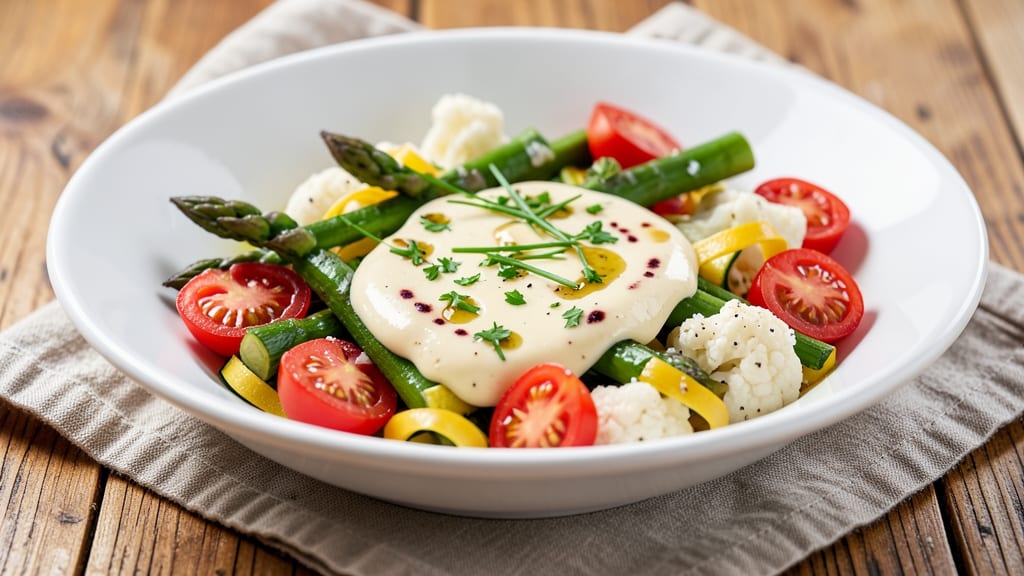
This butter sauce recipe for vegetables transforms simple sides into restaurant-worthy dishes with just a few ingredients and a whisk. The secret lies in balancing rich butter with bright herbs and acid, creating a velvety glaze that clings perfectly to green beans, asparagus, or roasted Brussels sprouts.
I developed this sauce after years of testing—it’s foolproof, emulsifies beautifully, and elevates even the most humble vegetables.
The foundation is a classic hollandaise-inspired base, but with a lighter touch for vegetables. We’ll use lemon juice for brightness, fresh herbs for depth, and a touch of Dijon mustard to stabilize the emulsion.
The sauce is simple to make—just melt butter, whisk in lemon and herbs, then temper with warm vegetable water to create that signature silky texture. No fancy equipment needed, just patience and a steady hand.
What makes this sauce special is its versatility.
Drizzle it over steamed green beans for a luxurious finish, toss it with roasted asparagus for extra flavor, or use it as a dip for crudités. The sauce keeps well in the fridge for up to 5 days, and reheating is a breeze—just warm gently over low heat or reheat in the microwave with a splash of water to restore its velvety consistency.
For extra depth, add a pinch of smoked paprika or a dash of white wine to the base. The key is balancing richness with acidity—too much butter makes it heavy, but the right amount of lemon keeps it bright and balanced.
This isn’t just a sauce; it’s a game-changer for turning vegetables into the star of the plate.
Ingredients for butter sauce recipe for vegetables
Nine essential ingredients create a velvety, herb-infused butter sauce perfect for elevating any vegetable dish.
| Ingredient | Amount | Notes |
|---|---|---|
| Unsalted Butter 🧈 | ¾ cup | Cold, cubed for easier melting |
| Fresh Lemon Juice 🍋 | 2 tbsp | Freshly squeezed for brightness |
| Fresh Chives 🌿 | ¼ cup | Finely chopped, stems included |
| Dijon Mustard 🍯 | 1 tsp | For emulsion stability |
| Extra-Virgin Olive Oil 🫒 | 1 tbsp | For tempering and richness |
| Fresh Parsley 🌿 | 0.15 cup | Finely chopped, for herbal depth |
| Smoked Paprika 🌶️ | ¼ tsp | Optional, for depth (adjust to taste) |
| Salt 🧂 | ¼ tsp | Diamond Crystal kosher preferred |
| White Wine 🍷 | 1 tbsp | Dry, optional for complexity |
The butter forms the sauce’s luxurious base, so use high-quality unsalted butter—none of that margarine nonsense. For the herbs, farmers markets or specialty stores like Whole Foods offer the freshest chives and parsley, but grocery store varieties work fine if they’re bright and crisp. The Dijon mustard is non-negotiable—it’s what keeps this sauce from breaking. If you’re feeling adventurous, a splash of dry white wine adds complexity, but it’s optional. Smoked paprika, if used, should be high-quality Spanish or Hungarian for that authentic smokiness.
No fresh herbs? Dried chives or parsley at one-third the amount will work in a pinch, though the texture won’t be as silky. Out of Dijon? Whole-grain mustard thinned with a splash of water mimics its tang. The lemon juice can be bottled, but freshly squeezed is always better—the acidity is what prevents the sauce from becoming too heavy. If you’re avoiding wine, extra lemon juice or a pinch of white miso paste adds depth without alcohol. And for the love of all things green, don’t skip the olive oil—it’s what helps temper the butter and keeps the sauce from curdling.
This sauce is best made fresh, but it reheats beautifully. Store leftovers in an airtight container in the fridge for up to 5 days, covered with a thin layer of water to preserve its sheen. To reheat, warm gently over low heat or microwave in 10-second bursts, stirring between each. For extra convenience, portion into ice cube trays and freeze—just thaw in the fridge overnight. The sauce thickens as it cools, so a splash of warm water or milk (dairy or plant-based) restores its velvety consistency. Trust me, it’s worth the extra minute.
Why You'll Love This Recipe
- Same sauce, endless uses: toss it with sautéed green beans for dinner, drizzle it over grilled fish for a fancy-ish lunch, or even slather it on toast with a sprinkle of flaky salt. Honestly, I’ve served it at both casual dinners and holiday tables—no one ever asks for the recipe twice.
- Five-Ingredient Magic: This sauce comes together with things you already have—no fancy shopping required. I swear, the moment I realized I could turn butter, lemon, and mustard into something this rich, my weeknights got easier.
- Bright & Tangy Kick: That splash of fresh lemon juice cuts through the richness, while the chives add a bright, herbal finish. It’s the kind of flavor that makes you reach for seconds without even thinking—especially when drizzled over roasted Brussels sprouts or asparagus.
- Weeknight & Holiday Ready: Same sauce, endless uses: toss it with sautéed green beans for dinner, drizzle it over grilled fish for a fancy-ish lunch, or even slather it on toast with a sprinkle of flaky salt. Honestly, I’ve served it at both casual dinners and holiday tables—no one ever asks for the recipe twice.
Step-by-step instructions for rich, velvety herb butter sauce
This velvety sauce transforms simple vegetables into a gourmet dish with balanced richness and herbal brightness.
Melt the Butter and Infuse with Aromatics
In a medium saucepan, melt the 0.75 cup unsalted butter over low heat until completely liquid but not browned. I use cold cubed butter to prevent burning and ensure even melting. Add the 1 tablespoon extra-virgin olive oil and stir to combine, creating a stable base for the emulsion.
Once melted, remove the pan from heat and whisk in the 1 tablespoon white wine (if using) and 1 teaspoon Dijon mustard. The mustard acts as an emulsifier, helping the sauce hold its velvety texture. Return the pan to low heat and let it simmer gently for 2 minutes to allow the wine to cook off completely—this prevents any sharp alcohol flavors from remaining.
Build Flavor with Herbs and Seasonings
Reduce the heat to lowest setting and add the 0.25 cup finely chopped fresh chives and 0.15 cup finely chopped fresh parsley. Stir continuously for 1-2 minutes until the herbs are just wilted but still vibrant in color. Overcooking will turn them bitter, so watch closely.
Next, whisk in the 2 tablespoons fresh lemon juice, 0.25 teaspoon smoked paprika, and 0.25 teaspoon salt. The lemon juice brightens the sauce while balancing the richness, and the paprika adds subtle depth. Let the mixture simmer for another 30 seconds to allow the flavors to meld—you should smell a harmonious blend of herbs, citrus, and smokiness.
Refine the Sauce to Velvety Perfection
Remove the pan from heat and strain the sauce through a fine-mesh sieve into a clean bowl, pressing gently on the herbs to extract maximum flavor. This step ensures a silky texture without any herb bits. Return the strained sauce to the pan and place it over low heat again.
Simmer gently for 2-3 minutes, stirring constantly with a silicone spatula, until the sauce reaches your desired consistency. It should coat the back of a spoon smoothly—if it thickens too much, whisk in 1-2 teaspoons of hot water to loosen it. The sauce is ready when it's glossy, velvety, and perfectly balanced in flavor.
Finish with Precision and Serve Immediately
Taste the sauce and adjust seasoning if needed—add a pinch more salt or a splash of lemon juice for brightness. The sauce should be rich but not overpowering, with a bright herbal finish. Keep the sauce warm over low heat until ready to serve, stirring occasionally to maintain even consistency.
This sauce pairs beautifully with roasted asparagus, sautéed green beans, or grilled zucchini. The key to success lies in the balance of heat control and emulsification—never let it boil, and always strain for that restaurant-quality finish. Serve immediately for the best texture and flavor.
Pro Tips For Making Butter Sauce Recipe For Vegetables
- Melt Butter Slowly: I learned this the hard way—dumping cold butter into a hot pan makes it splatter like a grease fire. Instead, cut the butter into small cubes (about ¼-inch) and let the pan warm up first. The butter will melt evenly, giving you a silky sauce without burning the mustard or lemon.
- Zest Chives First: Fresh chives add brightness, but if you chop them too fine, they turn to mush in the sauce. Instead, snip them into ½-inch pieces and add them at the very end—just before tossing with the veggies. (Yes, even if you’re impatient like me, wait until the sauce is off the heat.)
- Balance Mustard with Heat: Dijon mustard is the flavor anchor, but too much makes the sauce taste bitter. Start with 1 teaspoon, then adjust—add a pinch of sugar or another squeeze of lemon if it’s too sharp. (Your future self will thank you for tasting as you go.)
- Finish with Olive Oil: Butter sauce can separate if it sits too long, but a drizzle of extra-virgin olive oil at the end keeps it emulsified. Use just 1 teaspoon—enough to coat the back of a spoon—and stir it in while the sauce is still warm. (Does it look weird? Yes. Does it work? Every single time.)
Perfect pairings for this butter sauce recipe for vegetables
Vegetable Pairings
This butter sauce shines brightest on green beans—toss them with the sauce after blanching for a restaurant-worthy finish. I like to add 1 tablespoon of the sauce per pound of beans, then garnish with extra chives.
For asparagus, drizzle generously after roasting at 425°F for 12 minutes—the sauce clings beautifully to the crisp-tender spears. 🌿
Brussels sprouts become irresistible when halved and roasted until caramelized, then tossed with the sauce. For extra richness, add 1 tablespoon of toasted walnuts and a sprinkle of Parmesan cheese on top. The sauce also elevates zucchini—grill or sauté slices until tender, then drizzle with the sauce and a pinch of red pepper flakes for heat.
Protein Pairings
While this sauce is vegetable-focused, it also complements grilled or roasted chicken perfectly. Brush it over boneless, skinless chicken breasts during the last 5 minutes of cooking at 375°F for a glaze that caramelizes beautifully.
For shrimp, toss cooked shrimp with the sauce and a squeeze of lemon—it’s a game-changer for seafood lovers. 🍤
Even tofu or tempeh benefits from this sauce. Press and pan-fry extra-firm tofu until golden, then toss with the sauce and a sprinkle of sesame seeds for a vegetarian-friendly dish that feels indulgent. The sauce’s herbal notes cut through the richness of the tofu beautifully.
Bread and Dips
Use this sauce as a dipping sauce for crudités like carrot sticks, cucumber slices, or bell pepper strips. Serve it warm in a small bowl with a toothpick for dipping—it’s perfect for parties or game day.
I also love spreading it on toasted baguette slices or sourdough for an open-faced appetizer. 🥖
For a gourmet twist, drizzle the sauce over warm polenta or mashed potatoes—the buttery richness pairs surprisingly well with creamy textures. Even cornbread becomes elevated when topped with this sauce and a sprinkle of feta cheese. The possibilities are endless!
Global Variations
For a French-inspired twist, add 1 teaspoon of tarragon and a splash of white wine vinegar to the sauce. This version pairs beautifully with roasted artichokes or sautéed mushrooms.
In Italian cuisine, swap the chives for basil and add 1 clove of minced garlic—it’s a fantastic match for roasted eggplant or zucchini ribbons. 🍝
In Asian-inspired dishes, replace the smoked paprika with 1 teaspoon of ginger and ½ teaspoon of sriracha for a sweet-spicy kick. This sauce works wonderfully with steamed bok choy or stir-fried bok choy.
For a Middle Eastern flair, add ½ teaspoon of ground cumin and 1 tablespoon of chopped dill—it’s perfect for roasted cauliflower or grilled eggplant.
Nutrition facts
Frequently asked questions
Can I make this butter sauce without fresh herbs? Use 1 teaspoon dried chives and 1 teaspoon dried parsley instead of fresh, but reduce the amount to one-third since dried herbs are more concentrated. For extra flavor, add ½ teaspoon of dried tarragon or 1 teaspoon of dried basil—just
Why did my sauce separate?
Sauce separation usually happens from too much heat or not enough emulsifiers. To fix it, whisk in 1 teaspoon of Dijon mustard or 1 tablespoon of warm water while stirring constantly over low heat. For prevention, always melt butter gently, avoid boiling, and strain the sauce through a fine-mesh sieve. The mustard and olive oil in the recipe are key stabilizers!
How can I make this sauce dairy-free?
Replace the butter with ½ cup vegan butter or coconut oil and use 1 tablespoon of plant-based milk (like almond or oat) instead of water when thinning. For extra richness, add 1 tablespoon of tahini or 1 teaspoon of nutritional yeast. The sauce will still emulsify beautifully, though the flavor will be slightly nuttier.
Can I make this sauce ahead of time?
Yes! Store leftovers in an airtight container in the fridge for up to 5 days. To reheat, warm gently over low heat or microwave in 10-second bursts, stirring between each. If it thickens too much, whisk in 1 teaspoon of warm water or plant-based milk. For long-term storage, freeze in ice cube trays—just thaw in the fridge overnight.
What’s the best way to use this sauce on delicate vegetables?
For vegetables like asparagus or zucchini, cook them first (roast, steam, or sauté) until tender-crisp, then drizzle the sauce lightly over the top. This prevents sogginess while keeping the sauce’s velvety texture. For green beans or Brussels sprouts, toss them with the sauce after cooking—just 1 tablespoon per pound is perfect.