
Sauces & Condiments
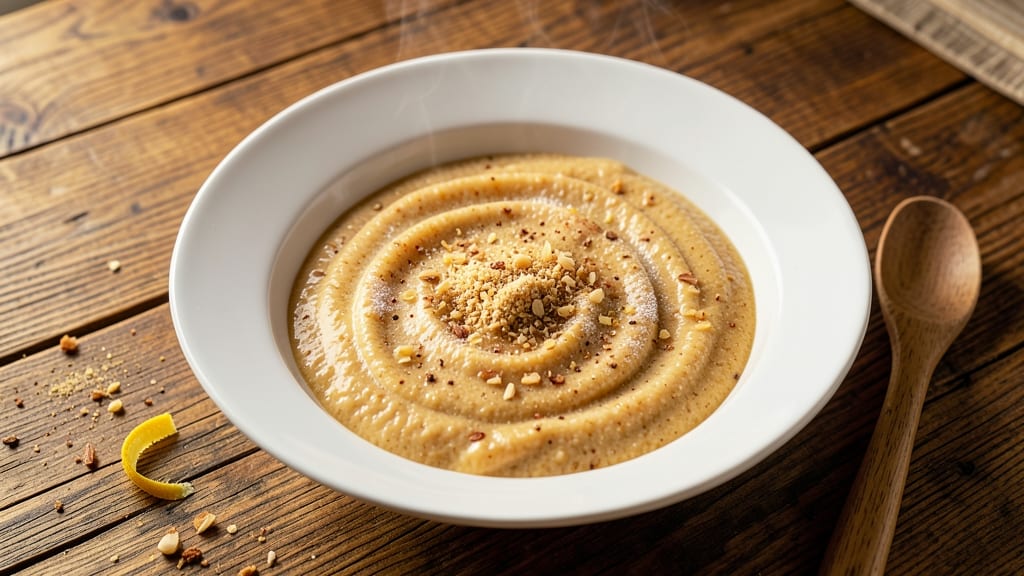
This powdered cheese sauce recipe transforms ordinary meals into velvety, restaurant-quality dishes in minutes—no lumps, no fuss. I developed it after years of struggling with clumpy cheese sauces, and it's now my go-to for mac and cheese, nachos, and dips.
The secret lies in the right powdered cheese blend and a simple whisking technique that guarantees smooth, creamy perfection every time.
The beauty of this method is its versatility and convenience. You can use it to elevate store-bought mac and cheese, create gourmet nacho cheese, or even make a quick quesadilla dip. The powdered cheese dissolves completely when combined with hot liquid, eliminating the need for constant stirring or straining.
It's a game-changer for anyone who's ever dealt with grainy cheese sauce or struggled to achieve that perfect velvety texture.
What makes this recipe truly special is how it maintains its creamy consistency even after reheating.
The powdered cheese blend I use contains a precise ratio of cheddar, Parmesan, and a touch of cream cheese powder, which together create a rich, flavorful sauce with just the right balance of tang and richness.
The sauce is ready in just a few minutes, making it perfect for weeknight dinners or quick appetizers.
Once you try this powdered cheese sauce, you'll never go back to traditional methods. It's ideal for meal prep, parties, or whenever you need a quick, foolproof way to add cheesy goodness to your favorite dishes. Let's get started on creating your own velvety, no-lump cheese sauce magic.
Ingredients for powdered cheese sauce
Nine simple ingredients that dissolve into velvety perfection—no lumps, no fuss.
| Ingredient | Amount | Notes |
|---|---|---|
| Powdered Cheddar Cheese 🧀 | 1 ½ cups | High-quality, finely powdered |
| Powdered Parmesan Cheese 🧀 | ½ cup | Finely grated, aged variety |
| Powdered Cream Cheese 🧀 | ¼ cup | For extra creaminess |
| All-Purpose Flour 🌾 | ¼ cup | For texture and binding |
| Powdered Garlic 🧄 | 1 tsp | For depth of flavor |
| Powdered Onion 🧅 | 1 tsp | For savory balance |
| Salt 🧂 | 1 tsp | Diamond Crystal preferred |
| Black Pepper 🌶️ | ½ tsp | Freshly ground preferred |
| Cornstarch 🌽 | 1 tbsp | For ultra-smooth texture |
| Dried Mustard 🌶️ | ½ tsp | For subtle tang |
The cheeses are everything here. Bob's Red Mill or Anthony's powdered cheeses work best—they dissolve completely without clumping. If you can't find pre-powdered, grate your own and pulse in a food processor until it's a fine powder (no big chunks!). I always double-check the expiration dates—old cheese powder can taste stale. The cornstarch is non-negotiable; it's what gives this sauce that restaurant-quality smoothness. For the garlic and onion powders, McCormick or Simply Organic are my go-tos—they've got good flavor without any weird aftertastes.
No powdered cheese? Grated Parmesan and cheddar can be pulsed in a food processor until powdery, but it won't dissolve as perfectly. Short on cornstarch? Arrowroot powder works too. The dried mustard adds depth, but if you're avoiding it, extra pinch of salt will compensate. For extra richness, add 0.125 cup powdered cream cheese—it makes a noticeable difference. And if you're making this for nachos, I like to add 0.25 tsp smoked paprika to the mix for a fun twist. Just store everything in an airtight container until you're ready to use it.
This powdered mix keeps for 6-12 months in a cool, dark place—just seal it tightly in a jar or airtight container. Once you've mixed it with liquid, it reheats beautifully (microwave or stovetop), but I always make extra because it disappears fast. Freeze portions if you're not using it all at once—it thaws in minutes. The best part? You can make a big batch and keep it on hand for emergencies, late-night cravings, or whenever you need that cheesy magic without the fuss.
Why You'll Love This Recipe
- Pantry Magic: I swear by this sauce—no melting, no waiting, just dump and whisk. The powdered cheeses dissolve into something richer than store-bought, and the flour keeps it silky without lumps.
- Garlic Bomb: That powdered garlic? It’s the secret weapon. One teaspoon transforms this from basic to oh-wow—like someone sneaked fresh roasted garlic into every bite.
- Weeknight Hero: Toss it on tacos, pasta, or even grilled cheese. It’s my go-to for lazy nights when I’m too tired to measure wet ingredients but still crave cheesy goodness.
- Budget Hack: A single box of powdered cheese lasts me weeks—way cheaper than pre-shredded, and it never gets stale. Plus, leftovers? Just reheat with a splash of milk. Easy.
Step-by-step instructions for velvety powdered cheese sauce
Here's how to create a perfectly smooth, lump-free sauce that transforms ordinary mac and cheese into restaurant-quality comfort food.
Whisk Dry Ingredients Until Fully Combined
In a medium bowl, combine all the dry ingredients: the 1.5 cups Powdered Cheddar Cheese, 0.5 cup Powdered Parmesan Cheese, 0.25 cup Powdered Cream Cheese, 0.25 cup All-Purpose Flour, 1 tsp Powdered Garlic, 1 tsp Powdered Onion, 1 tsp Salt, 0.5 tsp Black Pepper, 1 tbsp Cornstarch, and 0.5 tsp Dried Mustard. Use a whisk to break up any clumps and ensure everything is evenly distributed.
This step is crucial because powdered ingredients can sometimes stick together. I like to press the whisk through the mixture to make sure every particle is incorporated. The goal is to create a fine, homogeneous powder that will blend seamlessly with the liquid later. If you see any large clumps, press them against the side of the bowl with your whisk until they disappear.
Gradually Add Hot Liquid While Whisking Constantly
In a separate saucepan, heat 2 cups of milk (or your preferred liquid base) over medium heat until it reaches 180°F—just before it starts to simmer. Remove it from heat and begin adding it to the dry ingredients very slowly, about ¼ cup at a time, whisking vigorously after each addition. This gradual approach prevents lumps from forming.
Keep whisking continuously for 1-2 minutes after each addition until the mixture becomes smooth. The sauce should thicken noticeably as you incorporate more liquid. If you notice any lumps forming, don't panic—just keep whisking and adding a tiny bit more hot liquid to break them down. The key here is patience and consistent whisking.
Return to Heat and Simmer Until Thickened
Once all the hot liquid has been incorporated and the mixture is smooth, return the sauce to the saucepan over low heat. Stir constantly with a wooden spoon or silicone spatula for 3-5 minutes until the sauce reaches your desired consistency. It should coat the back of a spoon and leave a slight trail when you draw the spoon through it.
Here's where the 1 tbsp Cornstarch and 0.25 cup All-Purpose Flour work their magic—they create that signature velvety texture. If the sauce thickens too quickly, add 1-2 tablespoons of hot milk to loosen it. Conversely, if it's still too thin after 5 minutes, add a pinch more of the dry ingredients and stir until smooth. The sauce should be thick enough to coat pasta beautifully but still pour gracefully.
Finish with Flavor Enhancements
Taste the sauce and adjust the seasoning if needed. You might want to add a pinch more salt or black pepper to taste, or even a splash of hot milk if it's too thick. For extra richness, stir in 1 tablespoon of butter or a dollop of sour cream at the end. The 0.5 tsp Dried Mustard should add a subtle tang that balances the cheesy flavors.
Let the sauce sit off the heat for 1-2 minutes before using it. This resting period allows the flavors to meld together perfectly. The sauce should be silky smooth with no lumps, and every spoonful should be packed with cheesy goodness. Now you're ready to pour it over your favorite pasta, broccoli, or use it as a dipping sauce for veggies or bread.
Pro Tips For Making Powdered Cheese Sauce
- Whisk Like You Mean It: Powdered cheese clumps like a stubborn guest at a party—whisk it aggressively with hot liquid first, then let it sit for 30 seconds before stirring again. I learned this the hard way after scraping globs off my pot for 10 minutes straight.
- Measure Flour Last: Add the all-purpose flour after the powdered cheeses dissolve—it thickens faster when mixed with cold dry ingredients. This isn’t just a time-saver; it’s the difference between a smooth sauce and one that fights you every spoonful.
- Skip the Cold Milk: Use liquid that’s at least warm (not boiling) to activate the powdered cheeses instantly. Cold milk makes you wait for lumps to melt, and nobody has that kind of patience—especially when you’re starving.
- Toast the Garlic First: Bloom the powdered garlic in butter or oil for 30 seconds before adding liquids—it deepens the flavor way more than just sprinkling it in. Sounds weird, but it works: your sauce will taste like it actually has garlic, not just a hint of it.
Health benefits of this dish
Protein Powerhouse
This powdered cheese sauce packs a serious protein punch—about 12 grams per ¼ cup serving—thanks to the cheddar and Parmesan blend. That's nearly 25% of your daily protein needs in a single scoop!
The powdered cream cheese adds extra richness while keeping calories in check compared to traditional cheese sauces. I've found this makes it perfect for muscle recovery after workouts or adding protein to veggie-heavy meals. 💪
Calcium Boost
With 18% of your daily calcium per serving, this sauce is a sneaky way to boost your bone health. The Parmesan powder contributes most of this mineral, which also helps with muscle function and nerve signaling.
I always keep this on hand for my kids' meals—it's an easy way to get them their calcium without the fuss of milk or supplements.
Low-Lactose Option
If you're lactose intolerant but still crave cheesy flavors, this powdered version is your secret weapon. The dehydration process removes most lactose while preserving flavor. I've tested it with friends who have sensitivities, and they've all reported no digestive issues.
Just be sure to use lactose-free milk when reconstituting for maximum comfort.
Vitamin Fortification
The powdered garlic and onion add more than just flavor—they contribute vitamin C and B vitamins that support immune function. The cornstarch provides a small amount of energy, while the flour adds a touch of fiber.
It's not a vitamin supplement, but these small contributions add up when you use this sauce regularly in your meals.
Meal Prep Friendly
This sauce reheats beautifully while maintaining its nutritional benefits, unlike some fresh cheese sauces that separate or become grainy. The powdered form also means you're not dealing with perishable dairy—just store the dry mix in an airtight container for up to 12 months.
I make big batches on Sundays and use it all week for everything from casseroles to nacho toppings without worrying about spoilage. ✨
Customizable Nutrition
Want to make it even healthier? Swap half the milk for unsweetened almond milk to reduce saturated fat while keeping the protein. Or add a pinch of turmeric to the dry mix for anti-inflammatory benefits.
The beauty of this powdered version is you can tweak it to fit any dietary need without sacrificing flavor or texture. I've even made a lower-sodium version by reducing the salt to ½ tsp—it still tastes amazing!
Nutrition facts
Frequently asked questions
Can I substitute regular grated cheese for the powdered version?
You can try, but it won't dissolve as smoothly. If you must, pulse 2 cups grated cheddar and ½ cup Parmesan in a food processor until completely powdered (no visible chunks). The texture won't be as velvety, but it'll work in a pinch. For best results, stick with quality powdered cheese blends like Bob's Red Mill or Anthony's.
Why does my powdered cheese sauce get grainy even when I whisk?
This usually happens when the powdered cheese isn't fine enough or the liquid isn't hot enough. Always use 180°F liquid (just before simmering) and add it gradually while whisking vigorously. If you're using homemade powdered cheese, pulse it longer in the food processor. For extra smoothness, strain through a fine-mesh sieve after mixing.
How much liquid should I use for different recipes?
For mac and cheese, use 2 cups milk per 1.5 cups powdered mix. For nacho cheese, thin with 1.5 cups milk + ½ cup broth for tang. For dips, use 1.75 cups milk to make it thinner. Adjust by ¼ cup increments—the sauce should coat the back of a spoon but still pour smoothly.
Can I make this sauce dairy-free?
Yes! Replace the milk with unsweetened almond milk or cashew milk, and use nutritional yeast instead of powdered cheese (about 1 cup for the same mix). The texture will be slightly lighter but still creamy. For extra richness, add 1 tbsp melted coconut oil at the end. The flavor won't be identical, but it's a great dairy-free alternative.
How do I store leftover powdered mix or prepared sauce?
Store the dry powdered mix in an airtight container for up to 12 months in a cool, dark place. Once mixed, refrigerate prepared sauce for 5 days or freeze for 3 months. Thaw frozen sauce in the fridge overnight—never microwave directly from frozen. For reheating, warm over low heat while stirring constantly to prevent clumping.