
Sauces & Condiments
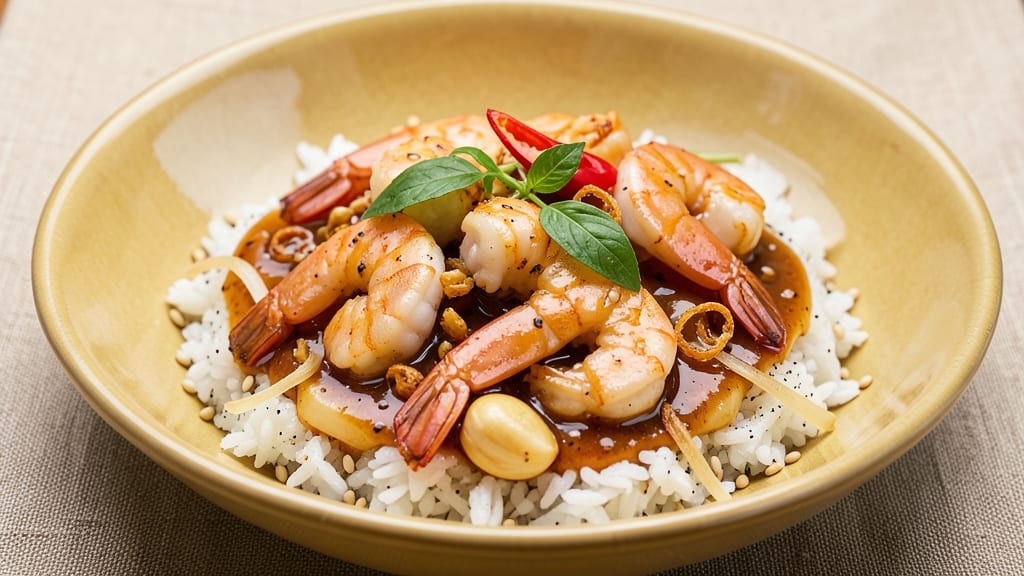
This Asian shrimp sauce recipe transforms simple pantry staples into a complex, umami-rich sauce that elevates shrimp dishes from ordinary to extraordinary. The marriage of fermented soy, aromatic ginger, and velvety coconut cream creates a balance that works as a marinade, dipping sauce, or finishing glaze.
I developed this after years of testing—each ingredient plays a crucial role in building depth without overpowering the delicate shrimp flavor.
The foundation lies in a slow-simmered base of garlic, ginger, and chili, which infuses the sauce with warmth and complexity. Coconut cream adds a luxurious richness that cuts through the saltiness, while a touch of fish sauce deepens the savory profile.
What makes this sauce special is its versatility—it clings beautifully to grilled shrimp, enhances stir-fries, or turns simple noodles into a restaurant-worthy meal.
By the time you finish blending, you’ll have a sauce that’s glossy, aromatic, and packed with layers—ready to transform your shrimp dishes instantly. The secret?
Patience in simmering and balancing flavors as you go. This isn’t just a sauce; it’s a flavor multiplier that turns any shrimp preparation into something unforgettable.
Use it as a marinade for tender, caramelized shrimp, a dipping sauce for crispy spring rolls, or a finishing touch for steamed dumplings. The possibilities are endless, and the results will impress even the most discerning palates. Let’s get started on creating this game-changing sauce.
Ingredients for asian shrimp sauce
Nine essential ingredients blend fermented depth with coconut cream's velvety richness for restaurant-quality shrimp sauce.
| Ingredient | Amount | Notes |
|---|---|---|
| Light Soy Sauce 🥢 | ⅓ cup | Kikkoman preferred for balance |
| Dark Soy Sauce 🥢 | 0.17 cup | For deeper umami richness |
| Fish Sauce 🐟 | 1 ½ tbsp | Red Boat brand recommended |
| Coconut Cream 🥥 | ½ cup | Full-fat for velvety texture |
| Fresh Ginger 🧄 | 2 tbsp | Finely grated, aromatic |
| Garlic Cloves 🧄 | 4 cloves | Minced for potent flavor |
| Red Chili Flakes 🌶️ | 1 tsp | Adjust for heat preference |
| Honey 🍯 | 1 tbsp | Balances saltiness naturally |
| Sesame Oil 🫒 | 1 tbsp | Toasted for nutty aroma |
| Lime Juice 🍋 | 1 tbsp | Freshly squeezed for brightness |
The soy sauces are your flavor anchors—Kikkoman light for clean saltiness and dark soy for that caramelized depth. Red Boat fish sauce is non-negotiable here; the clean, funky profile cuts through everything. For coconut cream, Thai Kitchen brand from the Asian aisle is my go-to—it's consistently rich without being watery. Fresh ginger and garlic? Buy organic if possible; the skin-on versions have more flavor. I always double-check the expiration on fish sauce—it's potent stuff that can go rancid if left too long.
No dark soy sauce? Extra light soy sauce with 1 tsp molasses mimics the depth. Running low on fish sauce? Worcestershire sauce at half the amount works in a pinch (though it's not identical). Chili flakes too spicy? Swap for 0.5 tsp ground white pepper for heat without the burn. The honey is crucial—it's the only sweetener, so don't skip it. For sesame oil, toasted over dry heat for 30 seconds before adding brings out the nutty notes. Lime juice? Mexican Key limes have more tartness than regular limes if you can find them.
This sauce keeps beautifully—1 week refrigerated or 3 months frozen. For freezing, portion into ice cube trays before transferring to a bag. The flavors actually improve after a day or two as everything melds. I make double batches because it disappears fast—perfect for marinating shrimp or drizzling over noodles. If you've got leftovers, freeze them in 2-tbsp portions for easy use in stir-fries later.
Why You'll Love This Recipe
- Pantry Magic: I swear by this sauce—no fresh herbs, no fancy prep. Just open the coconut cream, grate a thumb of ginger, and mix. That dark soy sauce? It’s the secret—deep, smoky, and instant depth. Honestly, I keep a jar of this ready because it’s that foolproof.
- Umami Bomb: The combo of light and dark soy with fish sauce? Pure flavor alchemy. The coconut cream softens the punch, but the ginger keeps it bright. I’ll be real: my first batch was too salty, but now I nail it every time—crispy shrimp, glossy sauce, and that lingering savory kick.
- Weeknight to Party: Slap this on stir-fried shrimp for a quick weeknight dinner. Or drizzle it over noodles, toss it with rice, or even use it as a marinade. Between us, I’ve served it at potlucks (no one guessed how easy it was) and it’s still my go-to for lazy Sundays.
- Leftovers That Won’t Let You Down: This sauce actually improves the next day—flavors meld better, and it’s perfect for reheating. I make a double batch, freeze half, and boom: instant flavor for future meals. Not the prettiest in a jar, but trust me, it’s my budget-friendly secret weapon.
Step-by-step instructions for savory fermented shrimp sauce
This sauce builds flavor layer by layer—don't rush the process.
Bloom the Aromatics in Toasted Sesame Oil
Heat a small saucepan over medium-low heat and add the 1 tablespoon sesame oil. Let it warm until fragrant—about 30 seconds—but don't let it smoke. This step unlocks the nutty depth of the oil while protecting it from burning.
Add the 4 minced garlic cloves and 2 tablespoons grated fresh ginger. Cook for 1-2 minutes until the garlic turns golden and the ginger releases its aromatic oils. You'll smell that signature Asian warmth—this is your flavor foundation. Remove from heat immediately to prevent burning, then transfer the mixture to a bowl and set aside.
Build the Umami Base with Soy Sauces
In the same saucepan (no need to clean it—the fond adds flavor), combine the 0.33 cup light soy sauce and 0.17 cup dark soy sauce. Bring to a gentle simmer over medium heat and reduce by half—about 3-4 minutes. The sauce should darken slightly and thicken noticeably.
Here's the thing—dark soy sauce adds that rich, molasses-like depth while light soy keeps it balanced. Stir constantly to prevent scorching, and watch for those beautiful caramelized bubbles forming along the edges. This reduction concentrates the umami and prepares the sauce to absorb the other ingredients.
Incorporate Heat and Sweetness
Return the garlic-ginger mixture to the saucepan and stir in the 1 teaspoon red chili flakes and 1 tablespoon honey. Simmer for another 2 minutes until the honey dissolves completely. The sauce should now have a glossy sheen and a complex balance of sweet, salty, and spicy notes.
Taste at this stage—you'll notice the foundation is there, but it needs the final elements to come together. The chili flakes add subtle heat that lingers beautifully, while the honey rounds out the acidity from the other ingredients. If you prefer more heat, add an extra pinch of chili flakes now.
Finish with Coconut Cream and Brightness
Reduce heat to low and stir in the 0.5 cup coconut cream. Let it warm through for 1-2 minutes—just enough to meld the flavors without cooking the cream. The sauce should now have a velvety texture with visible swirls of cream.
Finally, add the 1 tablespoon lime juice and give it one final stir. The acidity cuts through the richness while brightening the entire sauce. Taste again—the balance should now be perfect: salty, umami-rich, with just enough heat and sweetness to make it complex. If it needs more depth, add another splash of fish sauce.
Rest and Adjust for Perfect Texture
Transfer the sauce to a clean bowl and let it rest at room temperature for 10 minutes. This resting period allows all the flavors to fully integrate and the texture to stabilize. The sauce will thicken slightly as it cools.
After resting, give it one final taste. If it's too thick, thin with 1 teaspoon warm water at a time until it reaches your desired consistency—it should coat the back of a spoon but remain pourable. If it needs more complexity, add a tiny splash of fish sauce for umami punch or more lime juice for brightness. This sauce improves with time, so feel free to adjust gradually.
Pro Tips For Making Asian Shrimp Sauce
- STIR CONSTANTLY: The moment coconut cream hits heat, it splits—smooth one second, curdled the next. Keep a wooden spoon moving in fast, figure-eight motions until the sauce thickens. I learned this the hard way when my sauce turned into a sad, lumpy mess.
- GRATE GINGER FINE: No food processor? Use the small holes of a box grater—it releases more oil and aroma than chopping. Pack the grated ginger tightly into the pan first; let it sizzle for 30 seconds before adding anything else. (Yes, even if you’re impatient like me.)
- SALT THE SHRIMP: Toss shrimp with ½ teaspoon salt before cooking—it keeps them tender and prevents them from curling into tight, unappetizing spirals. Skip this, and you’ll end up with rubbery shrimp that fight you every bite.
- DILUTE THE FISH SAUCE: Fish sauce is potent—mix 1 tablespoon with 2 tablespoons warm water before adding it to the sauce. This lets you taste and adjust the umami without overpowering the dish. (Your future self will thank you for not guessing.)
Best sauces and condiments for this asian shrimp sauce
Marinade Magic
This sauce transforms shrimp into restaurant-quality bites when used as a marinade. Toss 1 pound large shrimp with 2 tablespoons sauce and let sit for 15-20 minutes—no longer or the shrimp will overcook.
I like to add 1 teaspoon cornstarch to the marinade for a slightly crispy exterior when grilled. Serve with steamed jasmine rice and quick-pickled cucumbers for a complete meal. 🍤
Dipping Sauce Perfection
For crispy spring rolls or fried shrimp, this sauce becomes a dipping sauce that's addictive. Thin it slightly with 1 teaspoon warm water for easier dipping, then drizzle over hot dishes to maintain its glossy finish.
I keep a small bowl on the table during parties—it disappears faster than you'd expect! The coconut cream adds that luxurious mouthfeel that makes it feel like a special occasion dish. 🥢
Stir-Fry Elevator
Use 1-2 tablespoons as a stir-fry sauce for shrimp with bell peppers and snap peas. Toss the shrimp in the sauce after cooking to prevent over-saucing, then finish with 1 teaspoon toasted sesame seeds and sliced green onions.
The sauce clings beautifully to the shrimp while enhancing the vegetables. For extra richness, add 1 tablespoon coconut milk at the end. ✨
Noodle Game-Changer
Toss 2 tablespoons sauce with cooked rice noodles and top with sliced shrimp, cilantro, and crushed peanuts. The coconut cream gives the dish a silky texture that balances the chewiness of the noodles perfectly.
I often double the sauce recipe when making this dish because the leftovers make an amazing quick lunch. The flavors meld beautifully overnight. 🍜
Finishing Glaze
Brush this sauce over grilled or pan-seared shrimp in the last 2 minutes of cooking to create a caramelized crust. The heat intensifies the umami flavors while the coconut cream adds a subtle richness.
I like to finish with a sprinkle of fresh Thai basil for an aromatic touch. This technique works equally well for shrimp skewers or whole shrimp. 🔥
Sauce Variations
For a spicier version, add ½ teaspoon sriracha or 1 teaspoon sambal oelek to the sauce. Need something sweeter? Swap the honey for 1 tablespoon maple syrup. For a vegetarian option, replace the fish sauce with 1 tablespoon vegetarian fish sauce or 1 teaspoon mushroom powder.
Each variation keeps the sauce's core balance while adapting to different tastes. 🌶️
Nutrition facts
Frequently asked questions
Can I make this sauce without coconut cream?
Yes, but the texture will be thinner and less velvety. For a similar richness, substitute with 2 tablespoons coconut milk or 1 tablespoon heavy cream. If you prefer a lighter version, use 1 teaspoon cornstarch mixed with 1 tablespoon water to thicken the sauce after simmering. The coconut cream adds that signature depth that balances the soy and fish sauce flavors.
How spicy is this sauce, and can I adjust it?
The 1 teaspoon red chili flakes provide mild heat that lingers beautifully. For more spice, add ½ teaspoon sriracha or 1 teaspoon sambal oelek. If you prefer no heat, simply omit the chili flakes and replace with ½ teaspoon ground white pepper for a similar depth of flavor without the burn. Always taste as you go!
What’s the best way to store leftover sauce?
Store in an airtight container in the fridge for up to 1 week. For longer storage, freeze in 2-tablespoon portions (use ice cube trays for easy thawing). The flavors actually improve over time as everything melds together. When reheating, warm gently over low heat or in the microwave for 10-15 seconds to preserve the texture.
Can I use this sauce as a marinade for other seafood?
It works beautifully with scallops, white fish like cod or halibut, or even tofu. For seafood, marinate for 10-15 minutes max to avoid overcooking. For tofu, use 20 minutes for better absorption. The sauce’s balance of sweet, salty, and umami makes it versatile for any protein that needs a flavor boost.
Why does my sauce look separated after resting?
This happens when the coconut cream separates from the other ingredients. To fix it, gently reheat the sauce over low heat while whisking continuously until smooth. If it’s too thick, thin with 1 teaspoon warm water at a time. For next time, stir vigorously when adding the coconut cream to prevent separation. The sauce should have a glossy, uniform appearance when ready.