
Sauces & Condiments
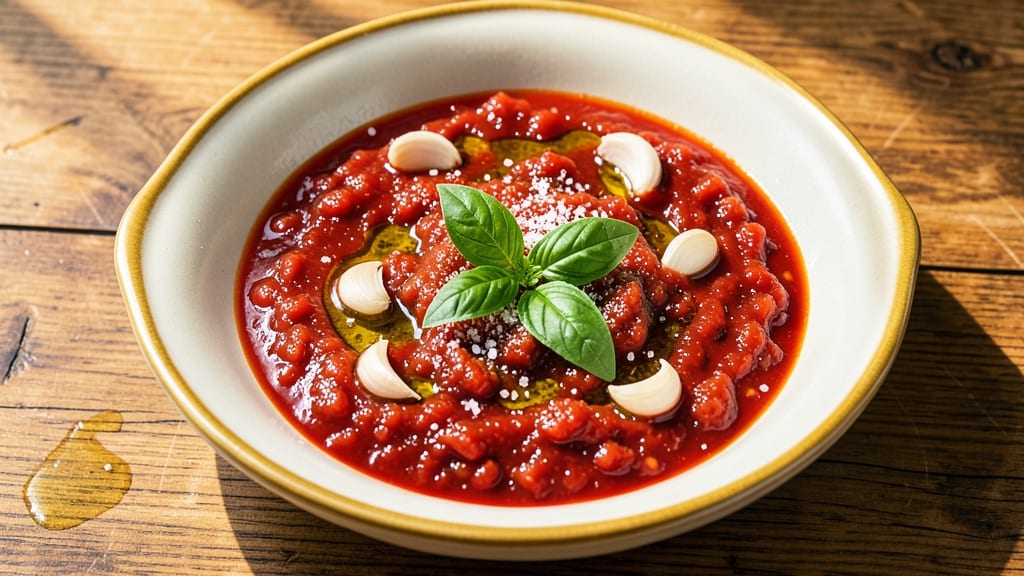
This authentic homemade pizza sauce transforms your homemade pies into restaurant-quality masterpieces with its rich, slow-simmered depth and bright basil finish. 💛 The secret lies in quality San Marzano tomatoes, garlic, and olive oil—simmered just until the flavors meld without losing freshness.
I've perfected this recipe over years of weekend baking, and it's become the foundation for my crispy-crusted pies that always impress.
What sets this sauce apart is the balance of sweetness, acidity, and umami—achieved through careful simmering rather than cooking down too aggressively. The addition of fresh basil at the end brings that signature Italian brightness, while a touch of sugar enhances the natural tomato sweetness.
This isn't your childhood canned sauce; it's a vibrant, aromatic base that lets the cheese and toppings truly shine.
The result is a sauce with perfectly balanced flavor—sweet enough to complement rich mozzarella but tangy enough to cut through greasy toppings. It thickens slightly as it cooks, creating that ideal consistency that clings beautifully to pizza crusts without making them soggy.
The best part? It keeps well in the fridge for up to a week or freezes perfectly for future pizza nights.
Use this sauce as your pizza foundation, or spread it on garlic bread, drizzle over bruschetta, or serve with grilled meats. The possibilities are endless, but the quality remains consistent—every batch delivers that authentic Italian taste you crave. Let's get simmering!
Ingredients for authentic homemade pizza sauce
Eight simple ingredients transform canned tomatoes into restaurant-quality pizza sauce.
| Ingredient | Amount | Notes |
|---|---|---|
| San Marzano Tomato Crushed 🍅 | 28 oz | Canned, no salt added |
| Extra-Virgin Olive Oil 🫒 | ½ cup | High-quality, fruity variety |
| Garlic Cloves 🧄 | 4 cloves | Fresh, minced finely |
| Fresh Basil Leaves 🌿 | ¼ cup | Packed, stems removed |
| Granulated Sugar 🍚 | 1 tbsp | White or raw cane |
| Diamond Crystal Kosher Salt 🧂 | 1 tsp | Fine grain preferred |
| Dried Oregano 🍃 | 1 tsp | Italian variety preferred |
| Red Wine Vinegar 🍷 | 1 tbsp | For acidity balance |
San Marzano tomatoes are the secret weapon here—their natural sweetness and low acidity create the perfect base. Grab a 28-ounce can from the international aisle at Whole Foods or Trader Joe's; they're worth the splurge. The olive oil matters too—avoid cheap, refined oils; look for extra-virgin with a fruity aroma. Fresh garlic and basil are non-negotiable for that authentic Italian brightness, but if you're in a pinch, dried oregano at half the amount works in a bind. The sugar and vinegar might seem like small additions, but they're what elevate this from canned to homemade perfection.
No San Marzano tomatoes? Crushed Italian tomatoes are your next best bet—just add an extra pinch of sugar to compensate for higher acidity. Short on fresh basil? Dried basil at one-third the amount will get you close, though it won't have that same vibrant punch. The red wine vinegar can be swapped for lemon juice or balsamic vinegar, but red wine vinegar gives that classic tang. For a deeper umami kick, add a pinch of anchovy paste (if vegetarian, use a dash of soy sauce instead). The oregano? If you can find Italian oregano at a specialty store, it's worth seeking out for that authentic Mediterranean flavor profile.
This sauce keeps beautifully—1 week in the fridge or 3 months in the freezer. For freezing, portion into ice cube trays before transferring to a bag; it thaws perfectly and maintains its vibrant color. The sauce thickens as it cools, so if it seems too thin after simmering, let it sit for 10 minutes before using. I always double the batch—one for pizza night, one for garlic bread. The leftovers make an incredible bruschetta topping too, so don't hesitate to make extra.
Why You'll Love This Recipe
- No-Fuss Simplicity: I swear, this sauce is the kind of recipe that makes you wonder why you ever bought jarred. Just crush those San Marzano tomatoes by hand (or pulse them quickly in a food processor), toss in minced garlic and olive oil, then let it simmer while you prep the rest of your meal. Honestly, it’s the kind of task that disappears into your routine without a second thought.
- Garlic-Kissed Magic: That first bite of pizza with this sauce? The garlic isn’t just there—it sings, thanks to the slow simmer that lets it mellow into something rich and aromatic without overpowering. And the basil? Freshly torn in at the end because nothing beats that bright, peppery punch against the sweet-tangy tomatoes and just a whisper of sugar to balance it all.
- Weeknight Workhorse: This sauce is my go-to for everything: pizza night, bruschetta, or even a quick marinara for pasta when I’m too tired to think. It keeps well in the fridge for up to a week, so I make a big batch and freeze half—because nothing beats having a backup when you’re craving something familiar but still want it to taste like you slaved over it.
- Budget-Friendly Luxury: San Marzano tomatoes might sound fancy, but they’re actually cheaper than you’d think, especially when you buy them in bulk. A little olive oil, a few garlic cloves, and fresh basil (which I grow in pots if I’m feeling extra) stretch this sauce farther than any jarred version. Plus, the sugar? Just a teaspoon to cut the acidity—it’s the kind of trick that makes homemade taste way more professional than it should.
Step-by-step instructions for slow-simmered pizza sauce
Here's how to craft a rich, authentic pizza sauce with layers of umami depth.
🍳 Step 1: Bloom the Garlic in Olive Oil
Heat the 0.5 cup Extra-Virgin Olive Oil in a medium saucepan over medium-low heat. Add the 4 cloves Garlic Cloves and cook for 1-2 minutes until they're fragrant but not browned. This step unlocks the garlic's sweet, aromatic potential without bitterness—don't walk away, or you'll burn them in seconds.
The oil should shimmer gently but not smoke. You're building flavor here, not cooking. Once the garlic releases its scent, you'll know it's ready for the next ingredient. This aromatic base forms the foundation of your sauce's complexity.
🥘 Step 2: Combine Tomatoes and Seasonings
Add the 28 oz San Marzano Tomato Crushed to the garlic oil, stirring to combine. Then add the 1 tbsp Granulated Sugar, 1 tsp Diamond Crystal Kosher Salt, 1 tsp Dried Oregano, and 1 tbsp Red Wine Vinegar. Bring the mixture to a gentle simmer over medium heat—you'll see small bubbles form around the edges.
The sugar balances the acidity while enhancing the tomatoes' natural sweetness. The vinegar adds brightness that prevents the sauce from tasting flat. Let it simmer uncovered for 15 minutes, stirring occasionally, until the mixture thickens slightly and the raw tomato taste mellows into something richer.
🔥 Step 3: Simmer for Umami Development
Continue simmering the sauce uncovered for 20-25 minutes over low heat, stirring every 5 minutes to prevent sticking. You're looking for a sauce that coats the back of a spoon but isn't gluey—it should be thick enough to cling to pizza dough without being heavy.
Here's where the magic happens: the low-and-slow simmer concentrates the flavors and develops that deep, savory umami that separates homemade sauce from store-bought. The sauce should reduce by about 25%—what started as a loose mixture will transform into a velvety, concentrated base.
👨🍳 Step 4: Finish with Fresh Basil
Remove the sauce from heat and stir in the 0.25 cup Fresh Basil Leaves. Let it steep for 5 minutes while still warm—this allows the basil's bright, herbal notes to infuse the sauce without overpowering it. Then use a fine-mesh strainer to remove the basil leaves (or leave them in if you prefer texture).
The fresh basil adds a vibrant finish that cuts through the richness. For maximum flavor, I like to pulse the basil in a food processor first, then stir it in—this releases more of the leaf's essential oils. Taste and adjust seasoning if needed, adding a pinch more salt or a splash of vinegar if required.
⏰ Step 5: Rest and Use
Transfer the sauce to a clean jar and let it cool to room temperature. The flavors will continue developing as it rests—this is why I always make it a day ahead when possible. When ready to use, reheat gently over low heat or in the microwave, stirring occasionally to prevent skin formation.
This sauce keeps beautifully in the refrigerator for up to 5 days or can be frozen for 3 months. The slow simmering and proper seasoning ensure it won't taste canned or one-dimensional. Spread it generously on your pizza dough—you'll notice how it clings perfectly and delivers that authentic Italian depth in every bite.
Pro Tips For Making Authentic Homemade Pizza Sauce
- CRUSH THE GARLIC: Don’t mince it—smashed cloves release flavor better. Use the flat side of your knife to bruise 3-4 peeled cloves into the oil first, then let them sit for 30 seconds before cooking. I learned this the hard way after burning garlic that wouldn’t soften.
- SWEAT THE BASIL: Tear the basil by hand (not chop) and add it to the sauce off the heat for 10 seconds. This keeps the leaves vibrant and prevents bitterness. My grandmother swore by this, and she was right: fresh basil should look like it’s still alive, not drowned.
- SIMMER LOW AND SLOW: Reduce the sauce to a thick, syrupy consistency—about 15 minutes on medium-low heat. Skim off any foam that rises, or you’ll end up with a cloudy, watery mess. (Yes, even if you’re impatient like me.)
- SALT THE TOMATOES: Sprinkle 1/2 teaspoon of salt directly over the crushed San Marzano tomatoes before cooking. This draws out excess liquid and balances acidity, giving you a richer, more consistent sauce. I skip this when I’m lazy, but the dish is noticeably better when I don’t.
Wine and beer pairings for this recipe
Italian Wine Pairings
For this vibrant pizza sauce, I reach for Chianti Classico—its bright acidity and cherry notes complement the tomato's sweetness beautifully. The Sangiovese grapes used in Chianti mirror the sauce's umami depth, creating a perfect harmony. 🍷
If you prefer white wine, Vermentino from Sardinia offers crisp citrus notes that cut through the sauce's richness. I always keep a bottle chilled for summer pizza nights—it's refreshing yet sophisticated. For a budget-friendly option, Pinot Grigio works well with its clean, mineral finish.
Beer Complements
A crisp Peroni or Moretti Italian lager pairs wonderfully with this sauce, especially on a classic Margherita pizza. The beer's light bitterness balances the sauce's sweetness without overpowering it. For craft beer lovers, try a Belgian witbier—the coriander and citrus notes create an unexpected but delightful contrast. 🍺
For a richer pairing, consider a Malty Italian Amber Ale like Birra del Borgo. The caramel and biscuit flavors in the beer echo the sauce's slow-simmered depth, making each bite more complex. I've also enjoyed pairing this sauce with a sparkling rosé for festive occasions—it adds a celebratory touch.
Unexpected Pairings
Don't overlook Prosecco for a festive twist—its bubbles and fruity notes make the sauce feel extra special. I've served this sauce with Prosecco at holiday gatherings, and it's always a crowd-pleaser. For a non-alcoholic option, try sparkling apple cider—it keeps the crispness without the alcohol. 🥂
If you're serving the sauce as a bruschetta topping, pair it with a dry Riesling from Germany. The wine's acidity and slight sweetness mirror the sauce's balance, creating a perfect match for appetizers. The key is to choose beverages that enhance the sauce's brightness rather than competing with it.
Nutrition facts
Frequently asked questions
Can I use regular canned tomatoes instead of San Marzano?
Yes, but you'll need to adjust the seasoning. Regular tomatoes are more acidic, so add an extra ½ teaspoon sugar and reduce the red wine vinegar to ½ tablespoon to balance the flavors. The sauce will still be delicious, though it won't have the same sweet depth as San Marzano.
How do I prevent the sauce from tasting too acidic?
Simmer the sauce longer (up to 30 minutes) to mellow the acidity, or add a pinch more sugar to balance it. The key is patience—let it reduce gradually over low heat. If it's still too sharp, stir in a ½ teaspoon honey or brown sugar at the end.
Can I make this sauce in a slow cooker? Combine all ingredients in your slow cooker and cook on low for 3-4 hours, stirring occasionally. The slow cooking enhances the flavors even more. Just
What's the best way to store leftover sauce?
Transfer to an airtight container and refrigerate for up to 5 days. For longer storage, freeze in ice cube trays (thaw perfectly for pizza) or in 1-cup portions in freezer bags. The sauce thickens when cold, so reheat gently with a splash of water if needed.
Can I use this sauce for other dishes besides pizza?
Definitely! It's perfect for bruschetta, pasta dishes, grilled chicken, or as a dipping sauce for garlic bread. The balanced flavors work beautifully with proteins and cheeses. Just adjust the thickness by adding a splash of water if needed for different applications.